ADDICTIONS
Gambling Disorder: Signs, Risks and How to Get Help
“It’s okay, I bet I will win back the money the next round!”
Does this sound familiar? Many people enjoy gambling—even teens engage in it socially, especially during festive periods like Chinese New Year.
In Singapore, around 40% of residents gamble recreationally, according to the National Council on Problem Gambling (NCPG).
For some, however, it becomes difficult to control how often, how long, or how much they gamble. The same NCPG report indicates that approximately 1 in 100 individuals experience problematic gambling.
From Harmless to Harmful: The Problem Gambling Spectrum
A gambling issue does not have to become debilitating before it deserves attention.

Gambling harm exists on a spectrum. Someone may not meet the full diagnostic criteria for a formal disorder, yet still experience noticeable impacts across key domains:
Ψ Financial: Mounting debt, unpaid bills, or consistently spending beyond planned limits.
Ψ Emotional: Persistent anxiety, guilt, shame, low mood, or heightened irritability.
Ψ Relational: Interpersonal conflict, secrecy, and a loss of trust or emotional connection with family and friends.
Ψ Occupational and Academic: Decreased concentration, declining performance, or missing work and school to gamble.
You do not need to feel you must hit rock bottom before seeking support to reduce or stop gambling.
What is a Gambling Disorder?
(DSM-5 Diagnostic Signs)
Gambling Disorder is formally recognised as a clinical behavioural addiction in the Diagnostic and Statistical Manual of Mental Disorders (DSM-5).
Individuals with gambling addiction experience persistent difficulty regulating their impulses. This frequently leads to severe functional impairment in daily life, including relational breakdowns, mental health distress, and career instability.
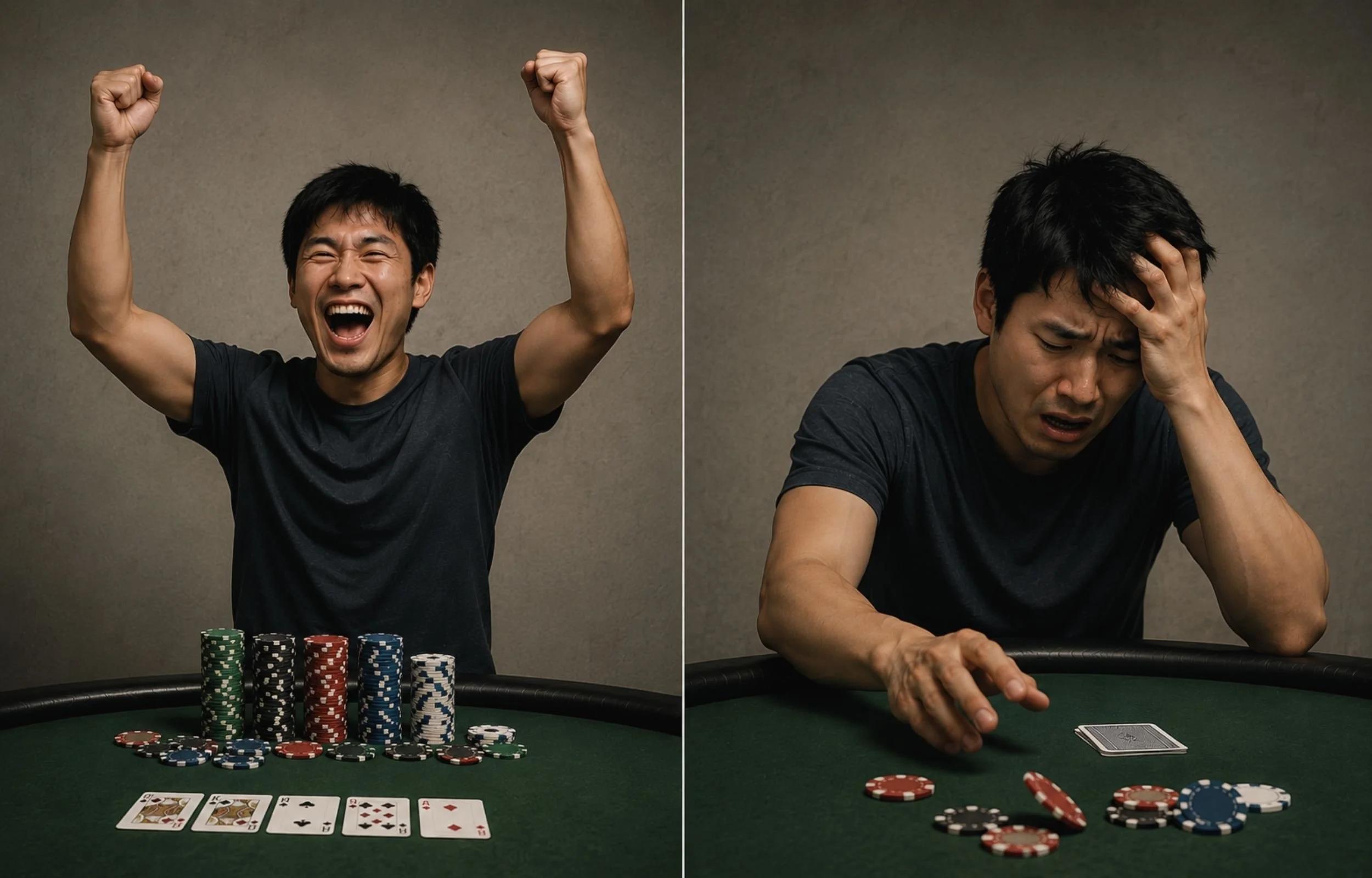
Key Symptoms and Signs of Gambling Addiction:
Ψ Inability to stop: Repeated, unsuccessful attempts to control, cut back, or stop gambling.
Ψ Coping through betting: Gambling as a primary way to escape distress, depression, or anxiety.
Ψ Withdrawal-like irritability: Restlessness or agitation when attempting to reduce or discontinue gambling.
Ψ Deception: Concealing, minimising, or lying about the extent of gambling involvement.
Ψ Bailouts: Relying on others to provide financial relief for debts caused by gambling.
Ψ Jeopardising life opportunities: Putting significant relationships, employment, or education at risk.
Ψ Chasing losses: Returning to gamble to win back previously lost money.
Ψ Preoccupation: Constantly reliving past betting experiences or planning future wagers.
Ψ Tolerance: Needing to gamble with increasing sums of money to achieve the desired thrill.
A formal clinical evaluation considers the frequency, duration, and severity of these symptoms alongside overall impairment in day-to-day life.
Gambling and Mental Health: Understanding the Risk Factors
Problematic gambling rarely occurs in isolation. It frequently co-occurs with major depression, anxiety disorders, and substance use issues.
In some cases, gambling starts as a coping strategy to numb psychological pain. In other cases, the financial and interpersonal consequences of betting act as acute stressors that trigger or worsen underlying mental health conditions.
Common Vulnerability and Risk Factors:
Ψ Access and Exposure: Readily accessible avenues, minimal personal safeguards, and fast-paced formats (such as online betting apps, live betting, and casino tables).
Ψ Cognitive Distortions: Erroneous thought patterns like the “gambler’s fallacy” (“I’m due for a win”) or an illusion of control over random outcomes.
Ψ Social and Familial Modelling: Growing up in environments where heavy betting was normalised.
Ψ Financial Pressures: Attempting to solve debt through high-risk gambling based on unrealistic expectations of winning.
Ψ Psychological Stressors: Using gambling to distract from grief, chronic stress, or emotional trauma.
How Psychological Therapy Helps
Whether someone meets the formal criteria for Gambling Disorder or simply wants to regain control over their habits, evidence-based therapy provides practical tools for recovery:
Ψ Identifying specific situational, cognitive, and emotional triggers.
Ψ Addressing underlying psychological needs that gambling has been fulfilling.
Ψ Enhancing motivation and readiness to commit to change.
Ψ Restructuring cognitive distortions surrounding luck, chance, and chasing losses.
Ψ Developing distress-tolerance and urge-surfing techniques to manage cravings.
Ψ Setting clear harm-reduction goals and managing personal financial safeguards.
Ψ Creating actionable relapse-prevention plans.
Evidence-Based Treatments:
Ψ Cognitive-Behavioural Therapy (CBT): Holds the strongest empirical evidence for restructuring gambling-related thinking errors and building alternative coping mechanisms.
Ψ Motivational Interviewing (MI): Highly effective for working through ambivalence—helping individuals align their actions with their personal values and long-term goals.
Support and Resources in Singapore
Practical safeguards can immediately reduce exposure to gambling triggers and contain financial damage.
Ψ National Council on Problem Gambling (NCPG): Offers free, confidential support, including the National Problem Gambling Helpline (1800-6-668-668), live webchat services, subsidised counselling, and family support programmes.
Ψ Self-Exclusion and Visit Limits: Individuals and family members can apply for voluntary or family-initiated exclusion orders across Singapore pools, casinos, and private club gaming machines via the NCPG Portal.
Ψ Digital Self-Guided Tools: Structured, module-based online CBT programmes can serve as an accessible first step for individuals seeking self-paced support.
If you are concerned about a loved one's betting habits, explore our guide on When a Loved One’s Gambling Is Affecting You for practical boundary-setting and communication strategies.
Quisque iaculis facilisis lacinia. Mauris euismod pellentesque tellus sit amet mollis.