
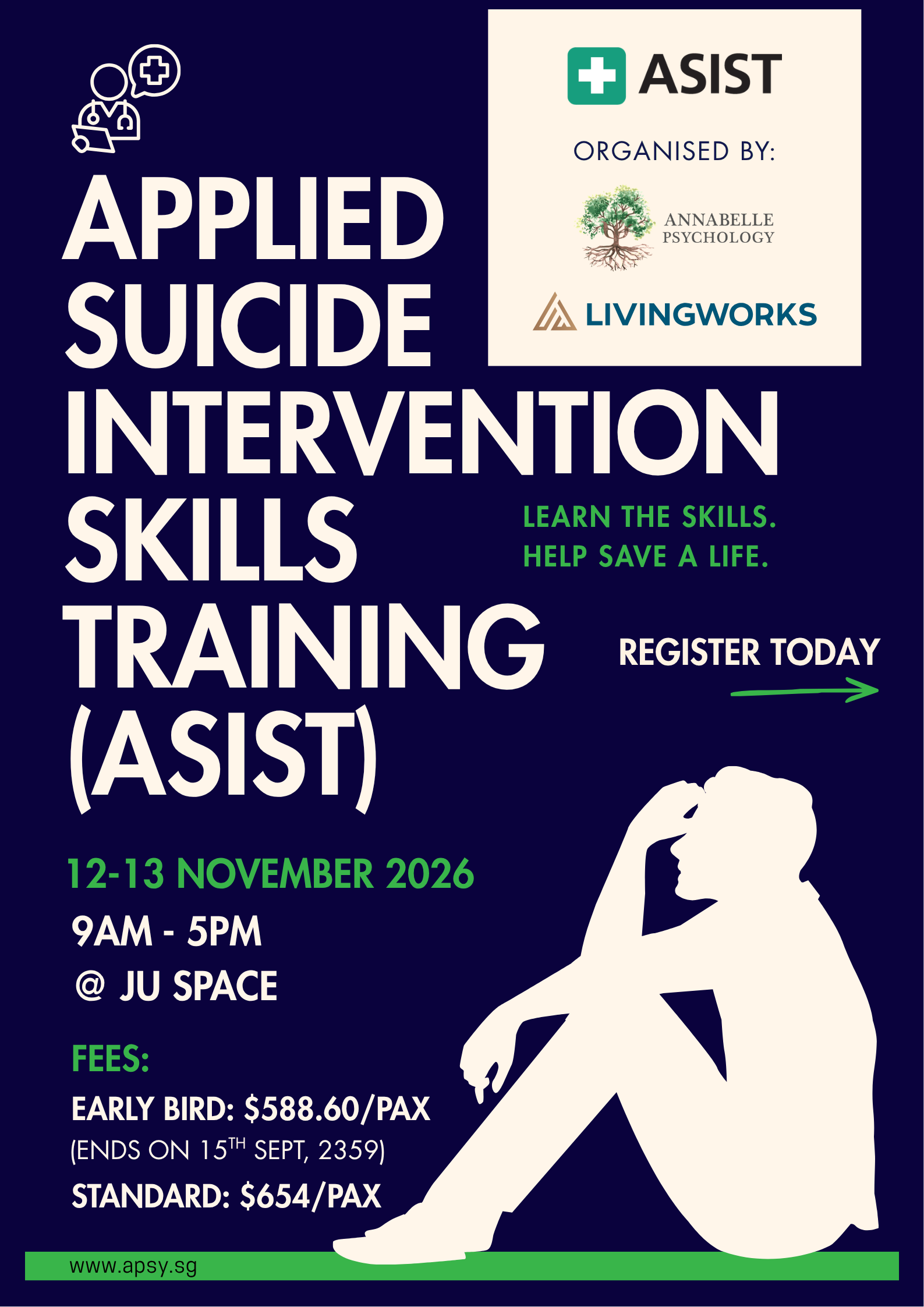
Nov 2026: Applied Suicide Intervention Skills Training (ASIST)
Ψ
Nov 2026: Applied Suicide Intervention Skills Training (ASIST) Ψ
Singapore’s Psychologists
Annabelle Psychology is a private psychology practice located in Singapore that provides psychotherapy
and counselling to individuals and groups of all ages, from adults and children to families and couples.
Our team of experienced psychologists work closely with psychiatrists, paediatricians and other medical and mental health professionals to provide a holistic psychological intervention and care. We also provide other clinical psychology services such as psychological assessments and neurocognitive, neurodevelopmental, and IQ tests.
For dedicated psychological and developmental support for children and adolescents, please visit Annabelle Kids.
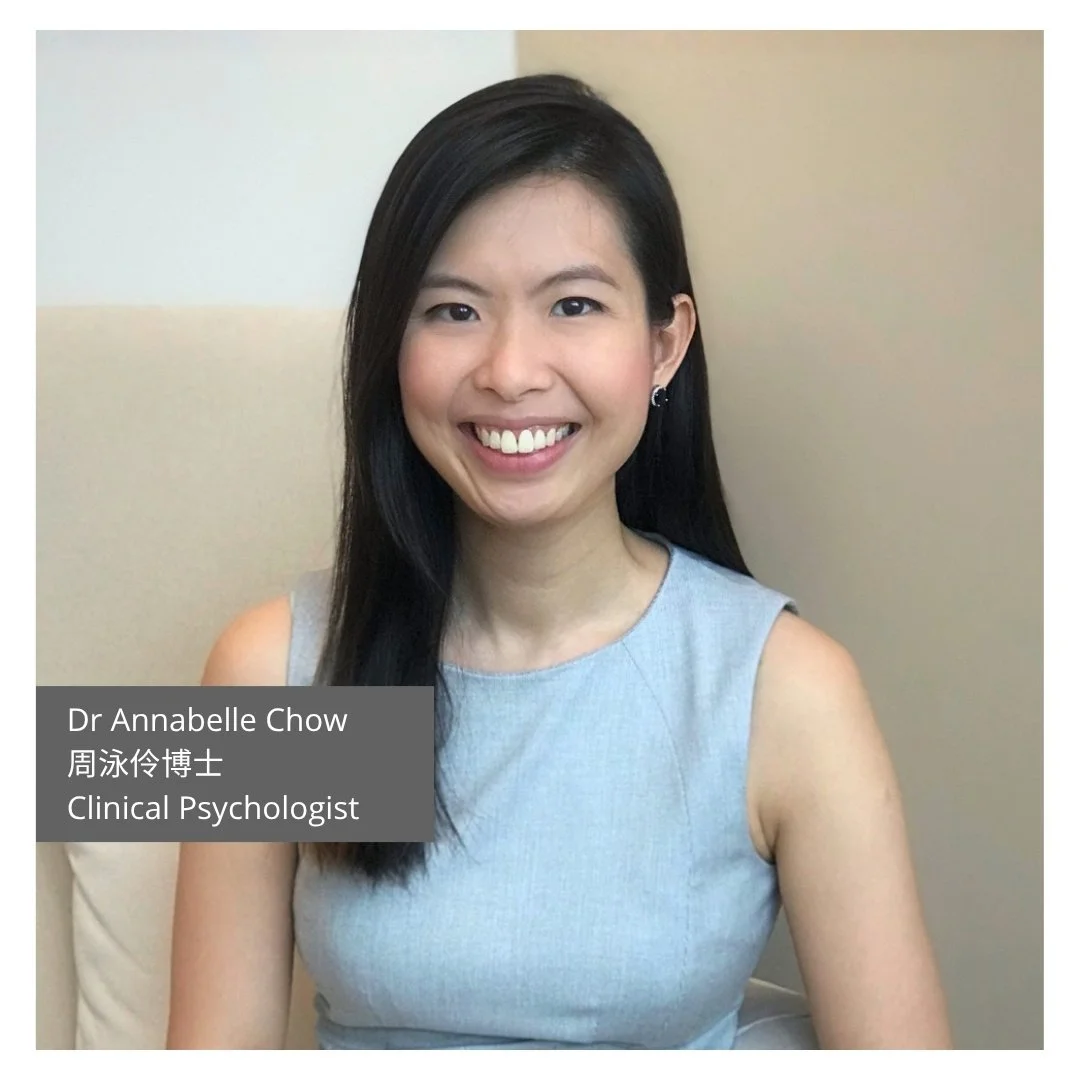

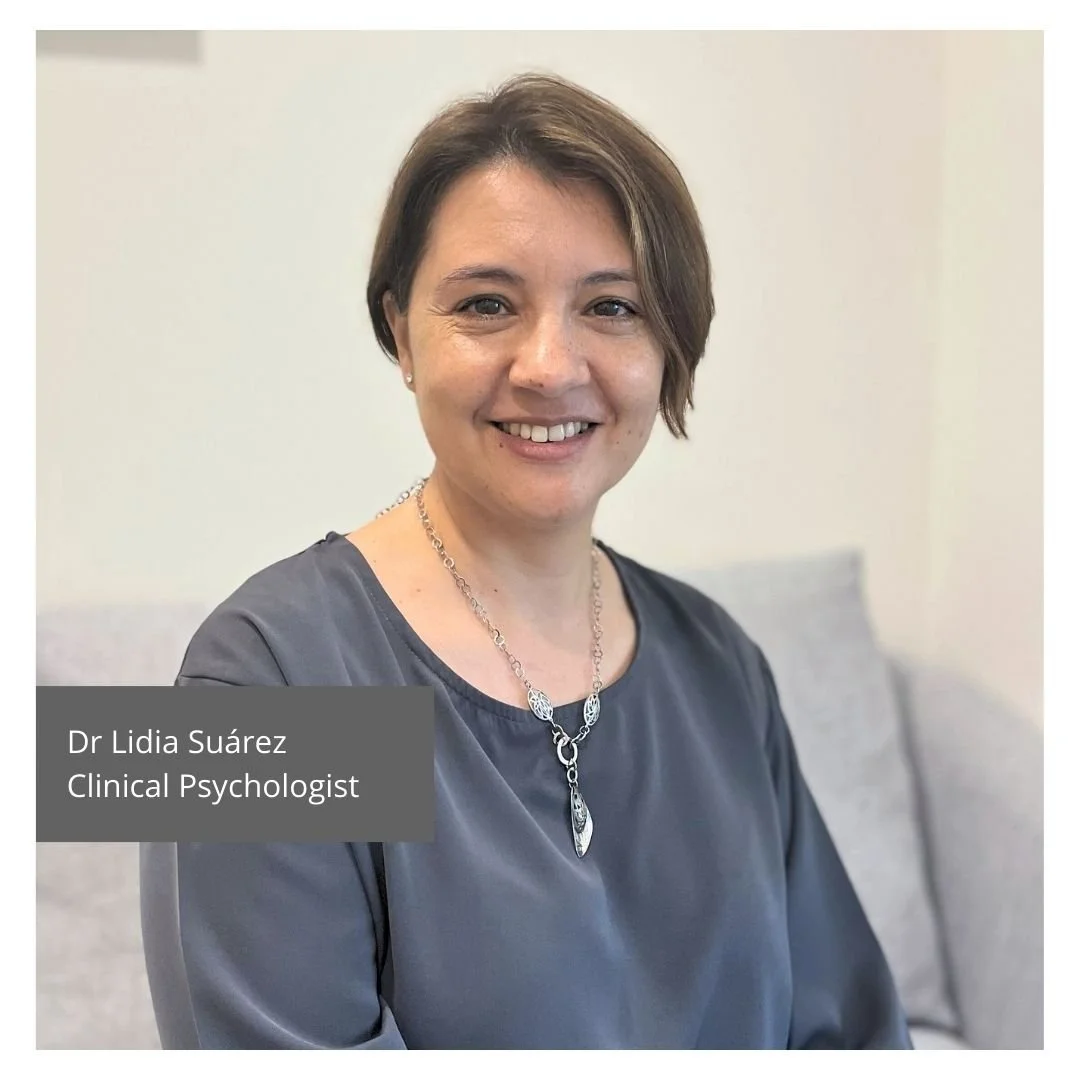
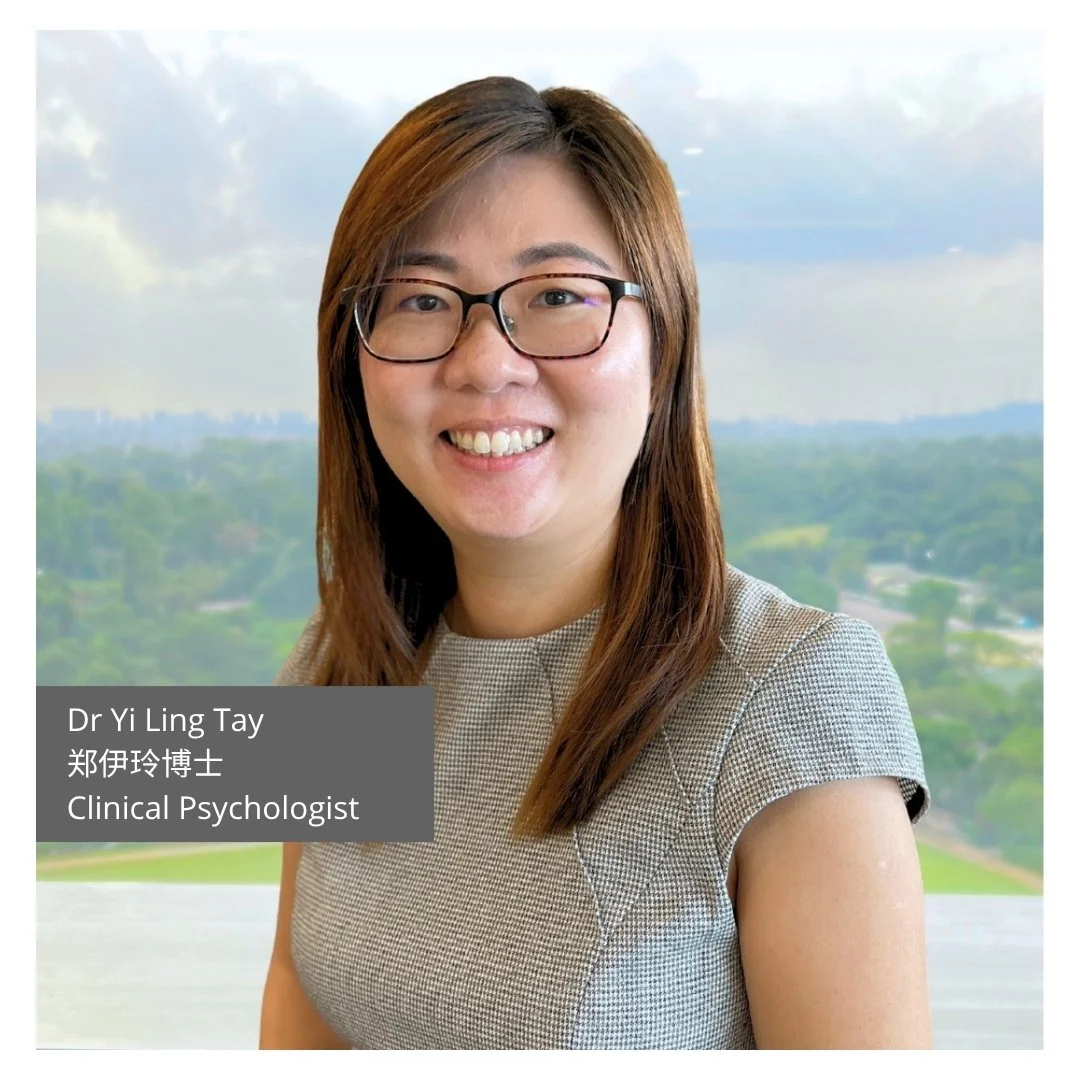
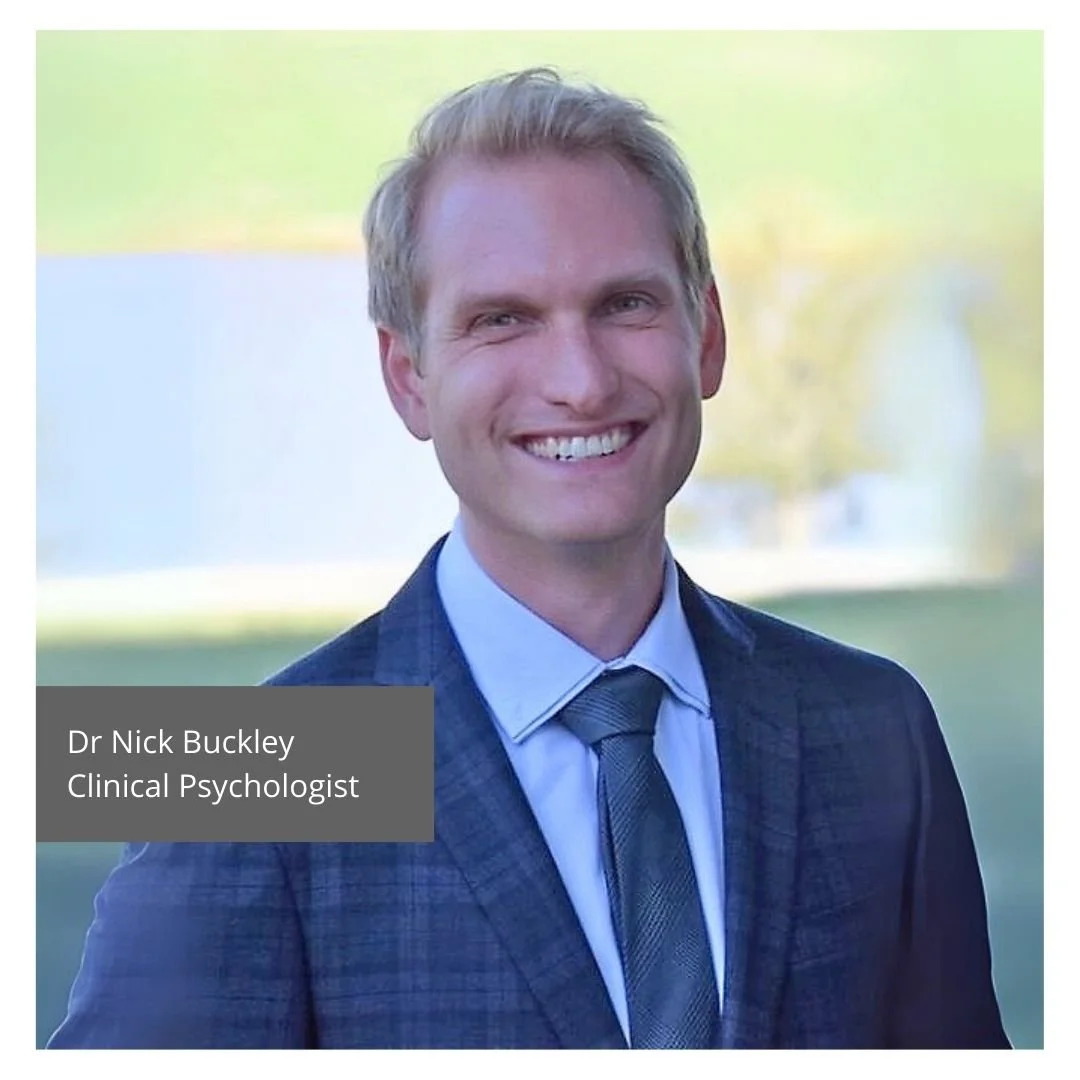

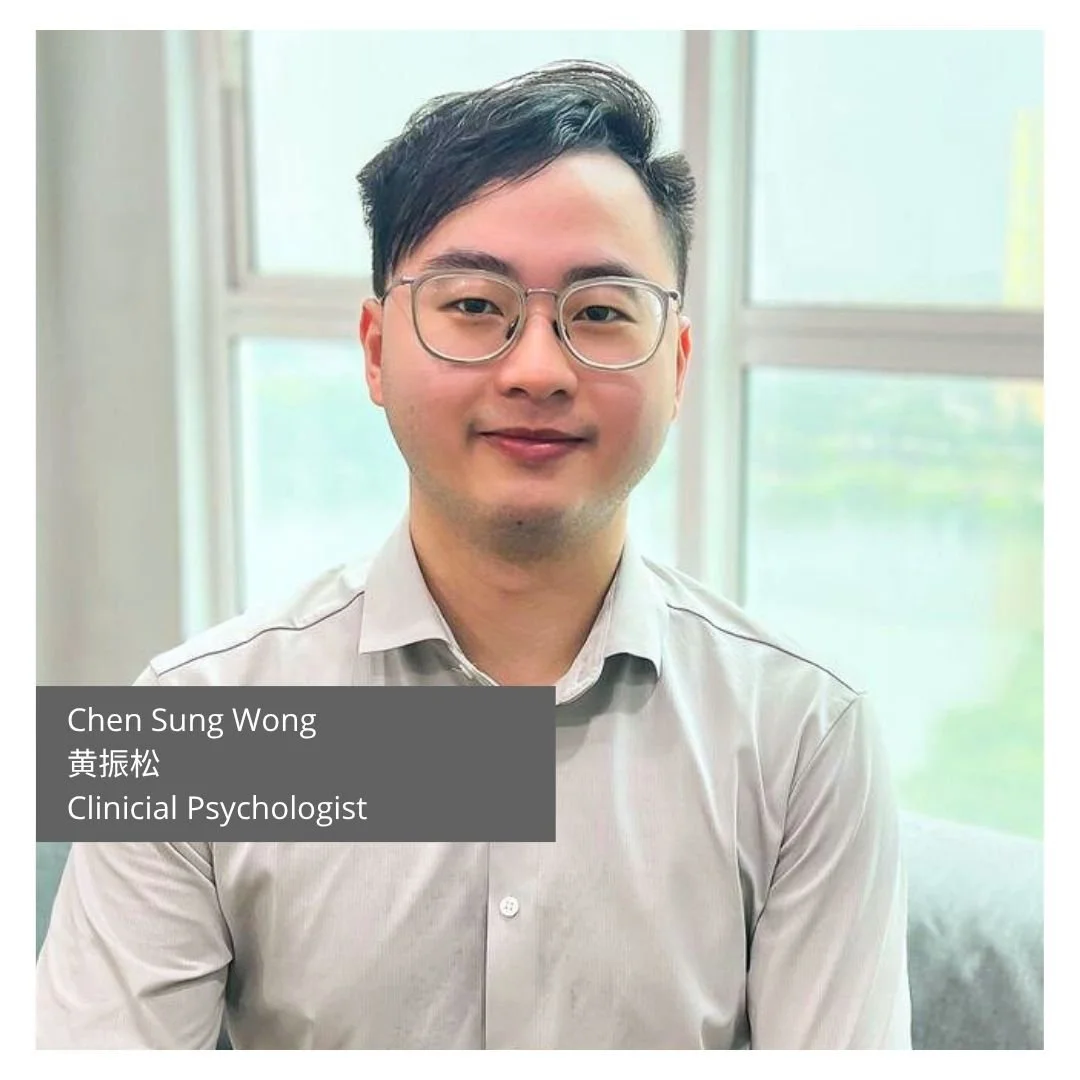

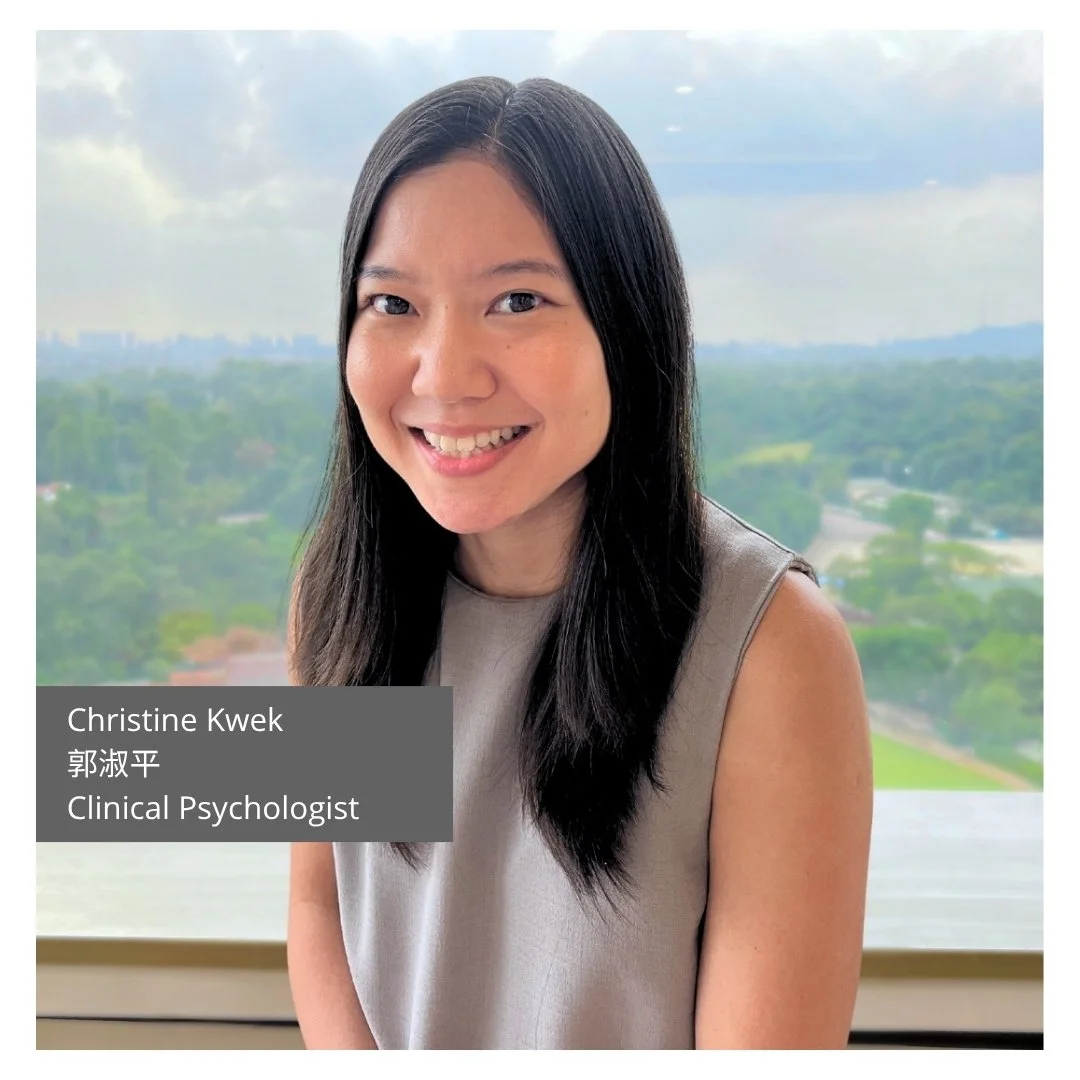

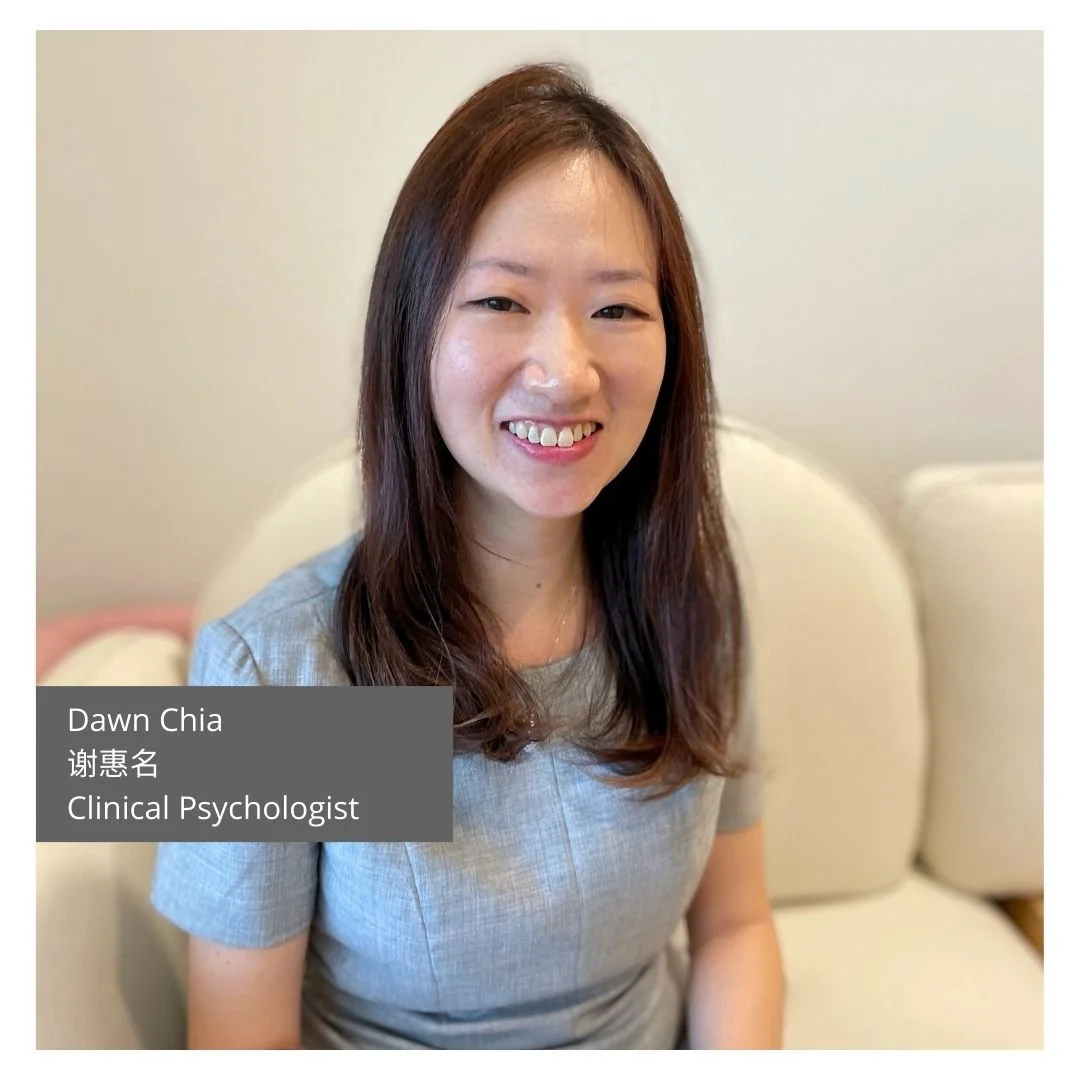
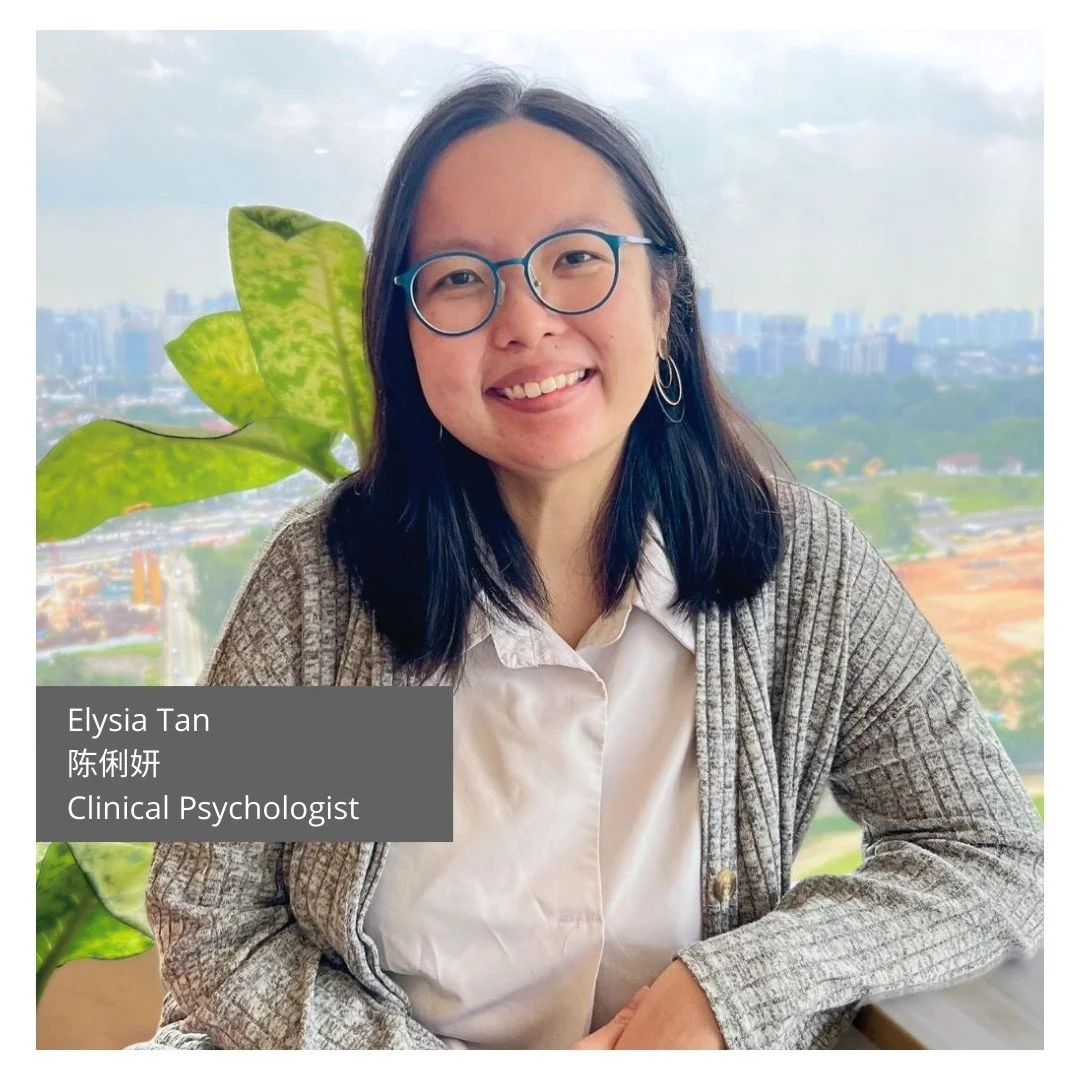


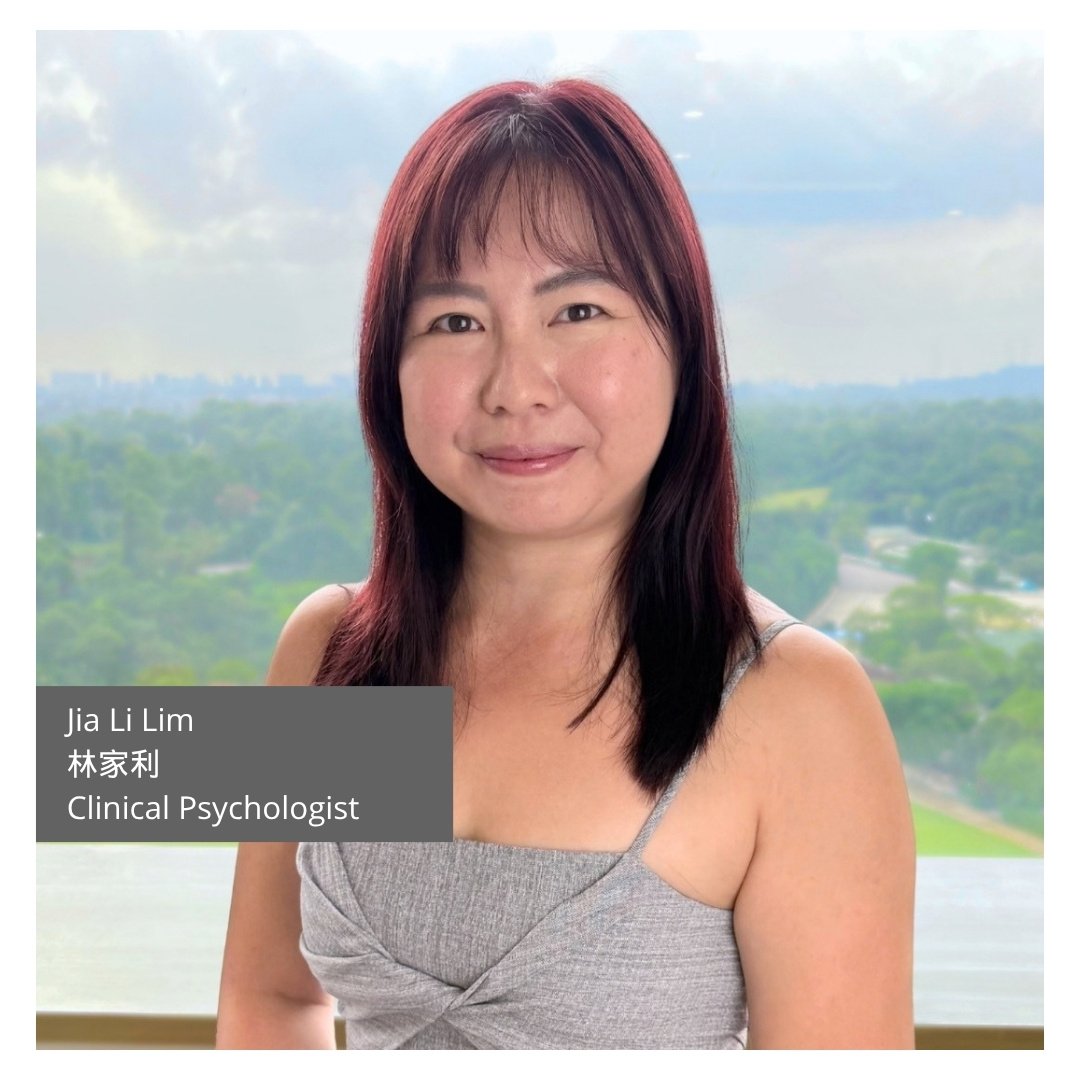
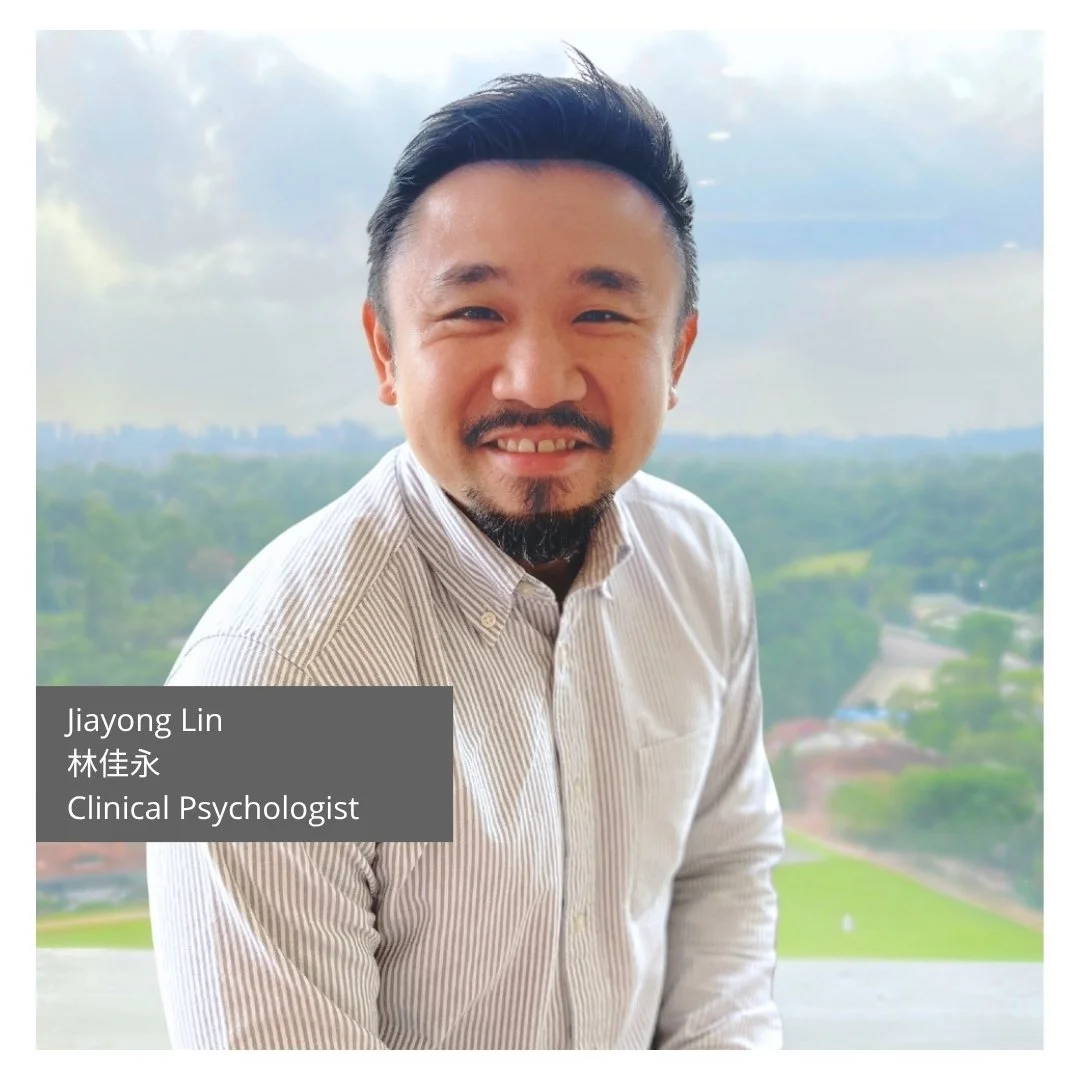
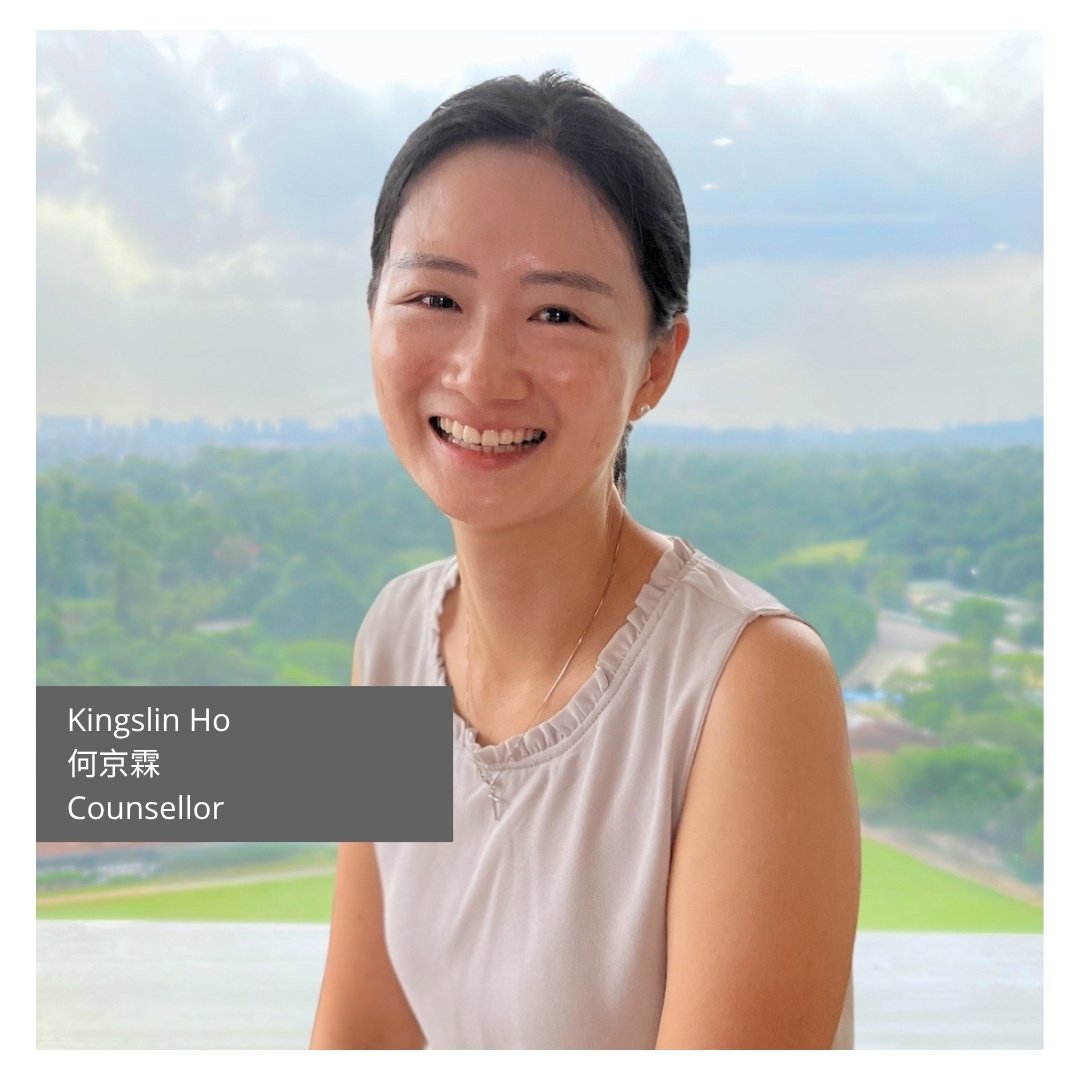
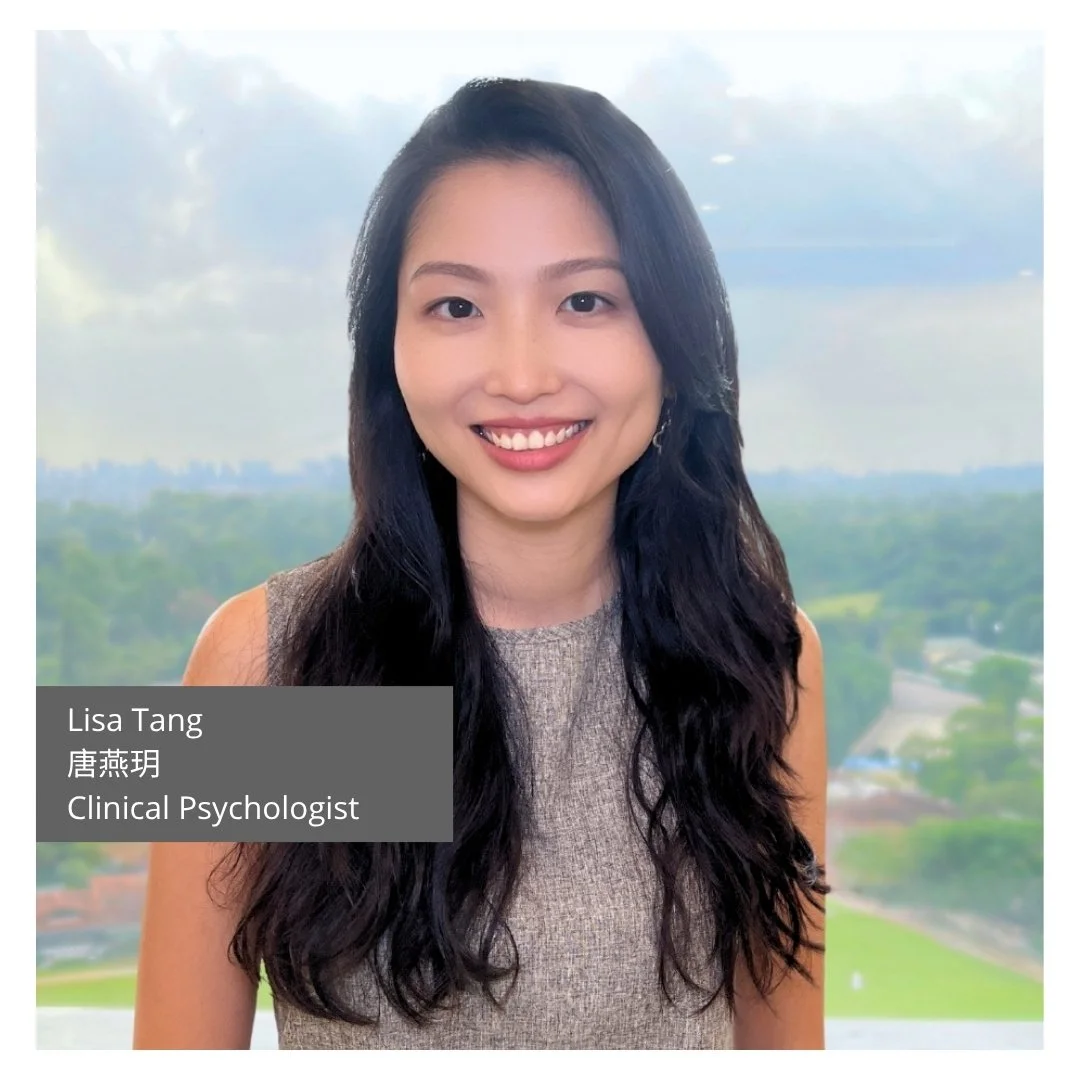
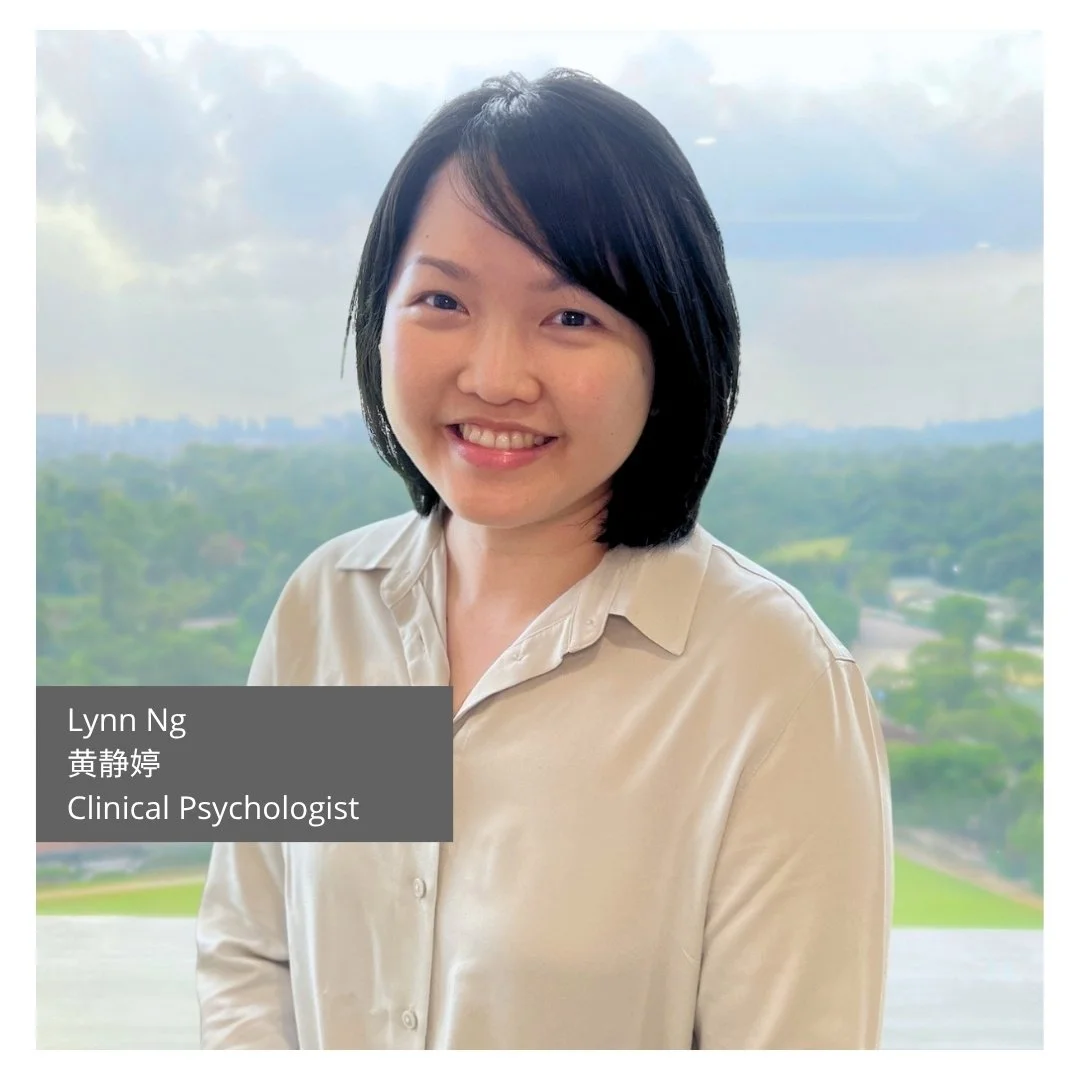

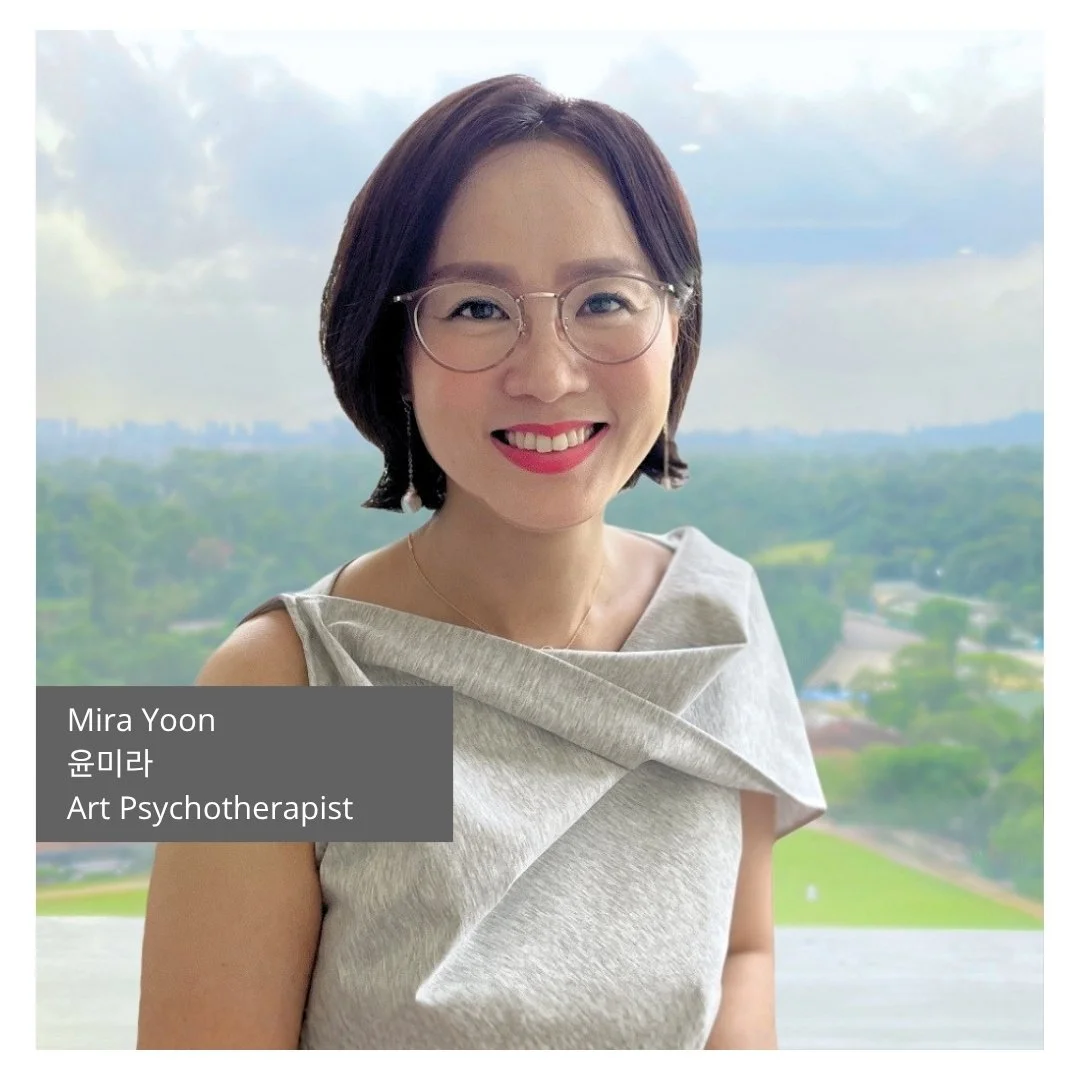
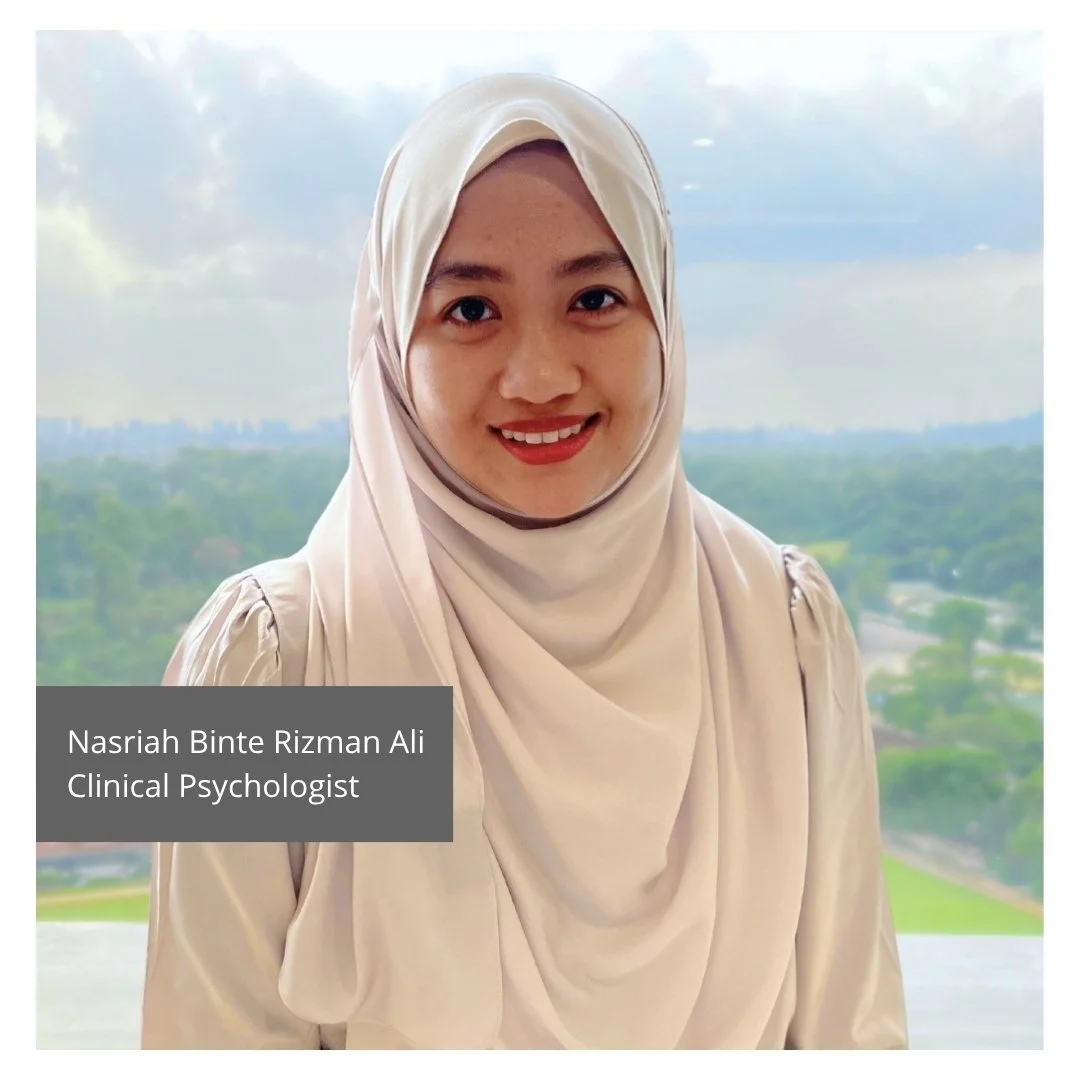
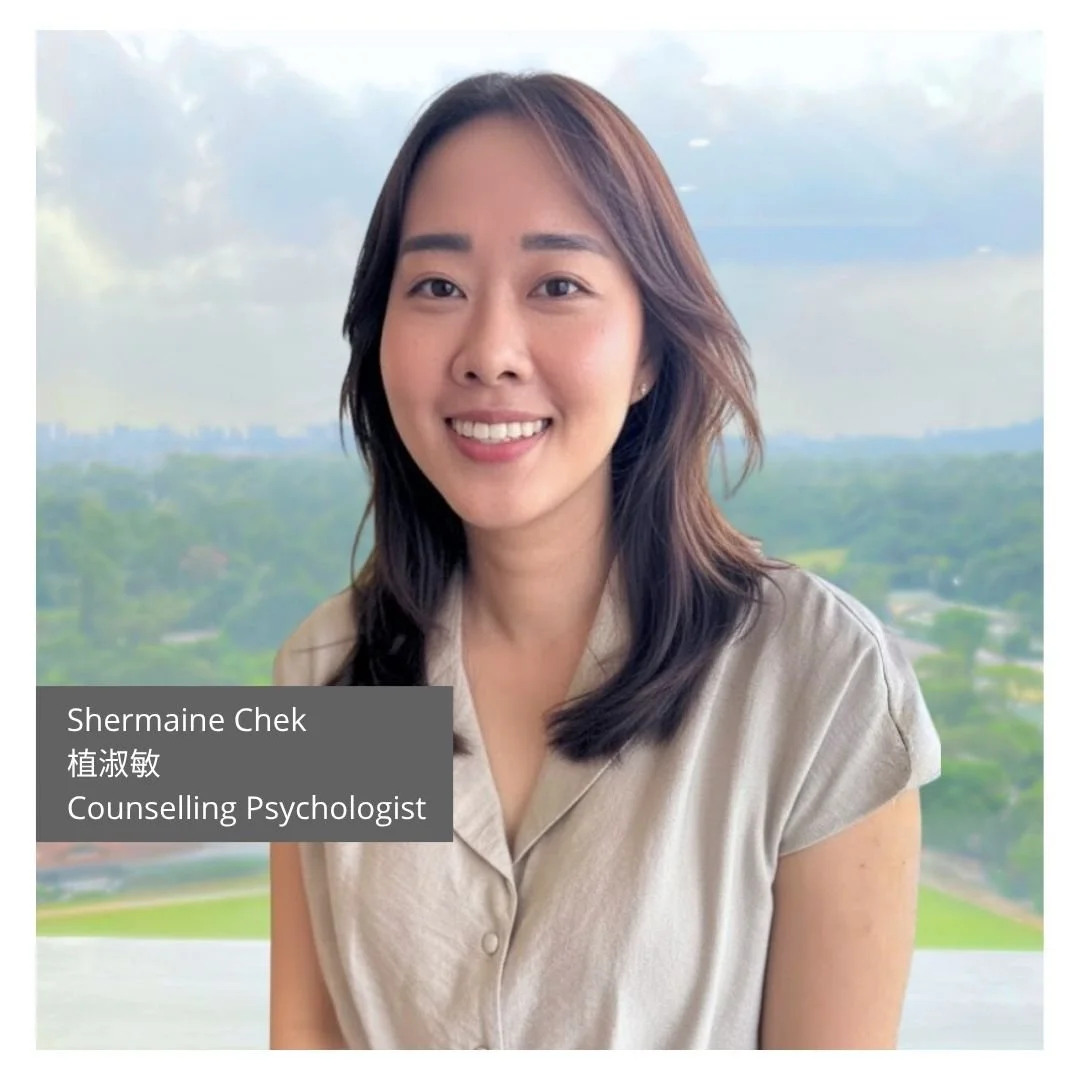


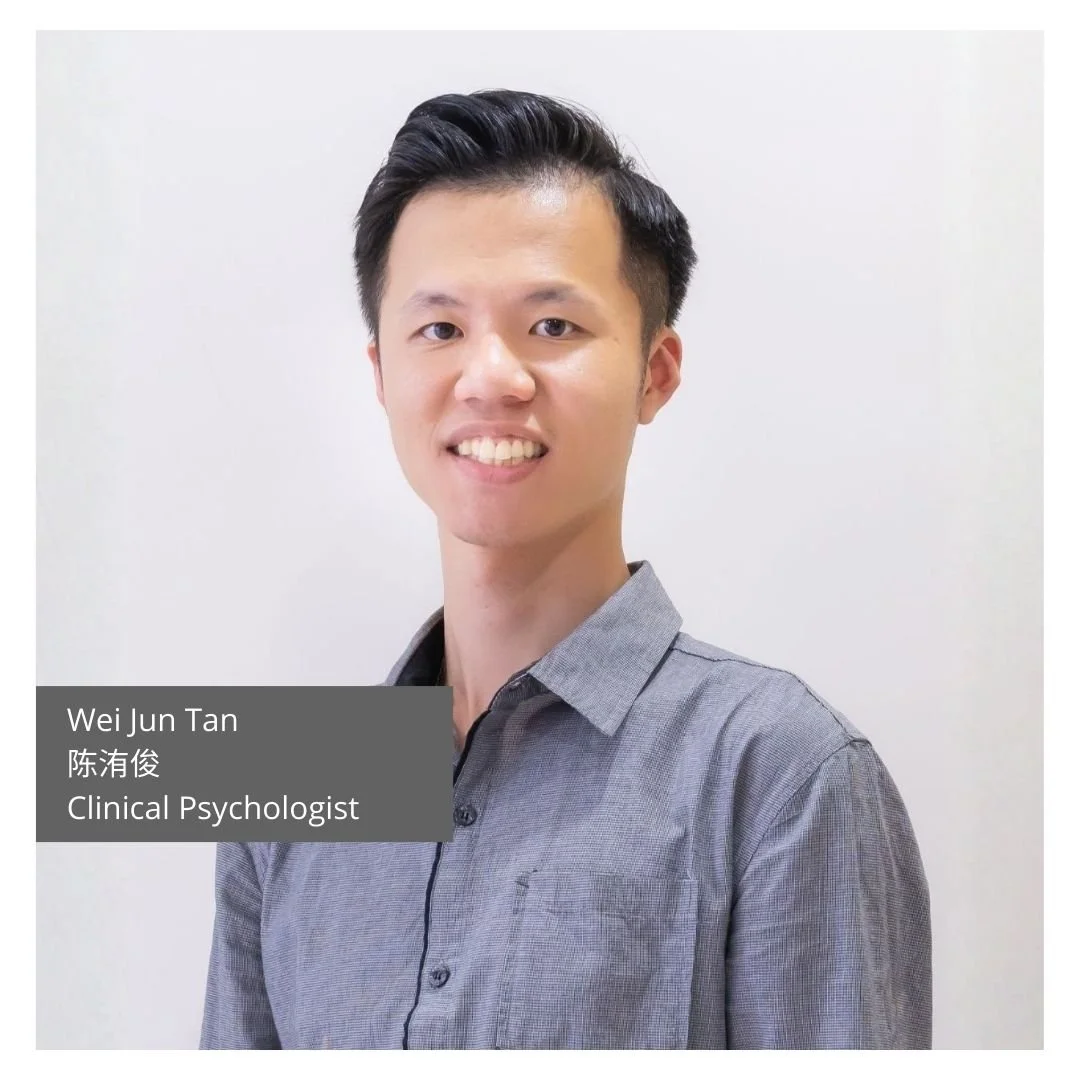
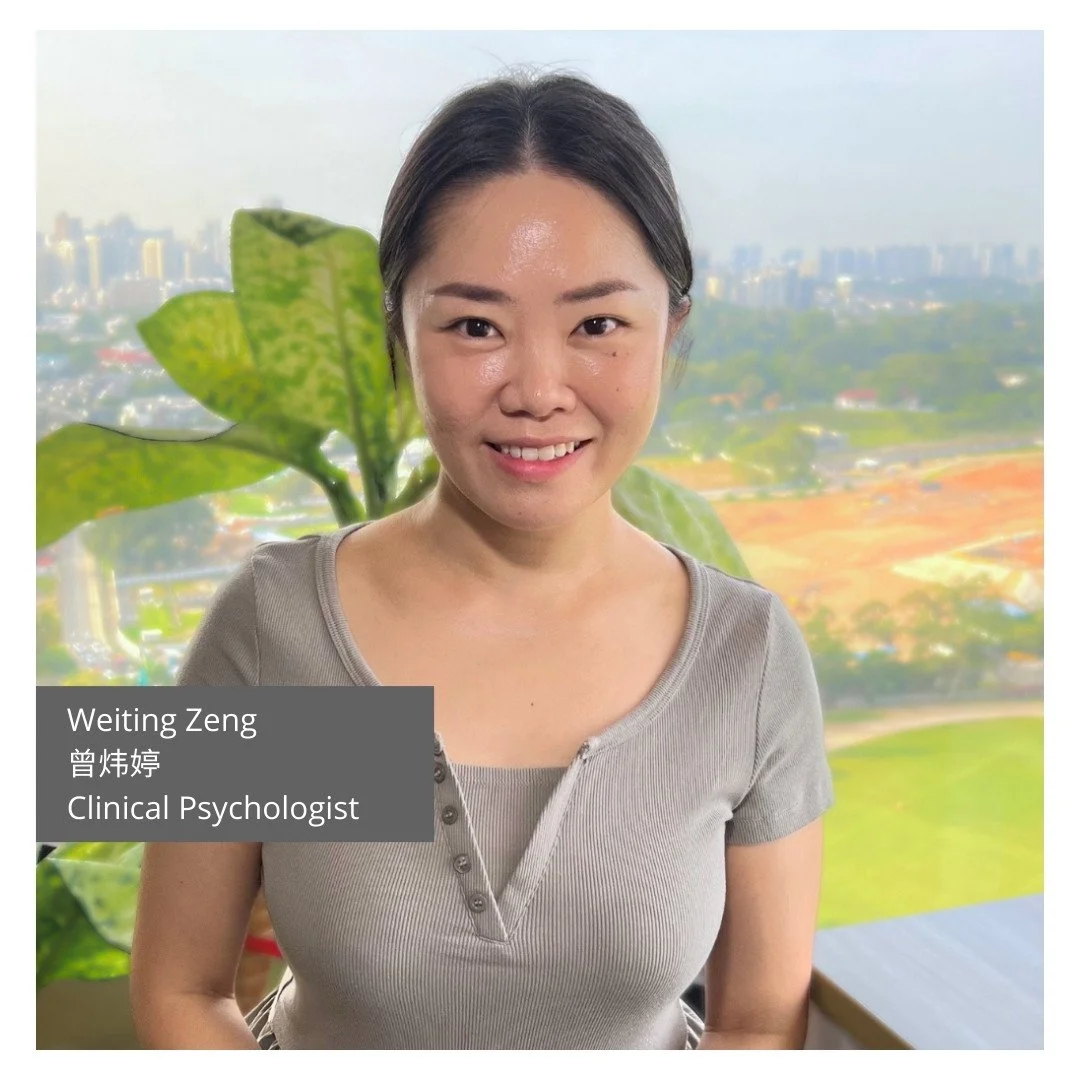




Our Psychologists provide psychological support and psychotherapy for a range of
Mental Health Concerns including:
Ψ Personality Disorders (Borderline PD, Narcissistic PD, Antisocial PD)
Ψ Abuse & Trauma
Ψ Depression, Anxiety and Mood Disorders
Ψ Paraphilic Disorders (Exhibitionistic, Fetishistic, Voyeuristic)
Ψ Post-Traumatic Stress Disorder
Ψ Couples and Family Therapy
Ψ Stress and Anger Management
Ψ Eating and Sleep Disorders
Ψ Women’s Health
Annabelle Psychology conducts psychological assessments for legal, diagnostic,
developmental, and educational purposes, including preparing psychological reports
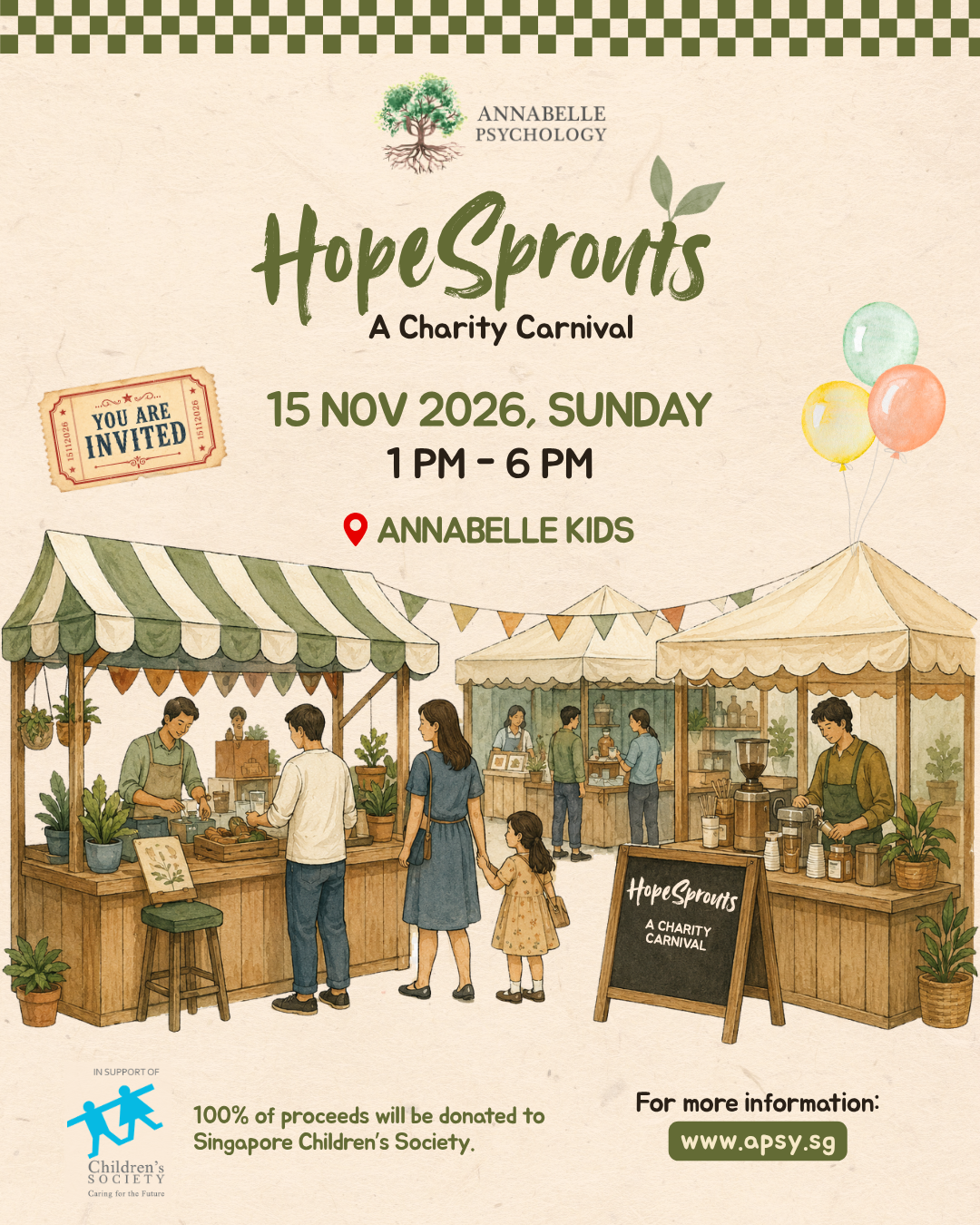
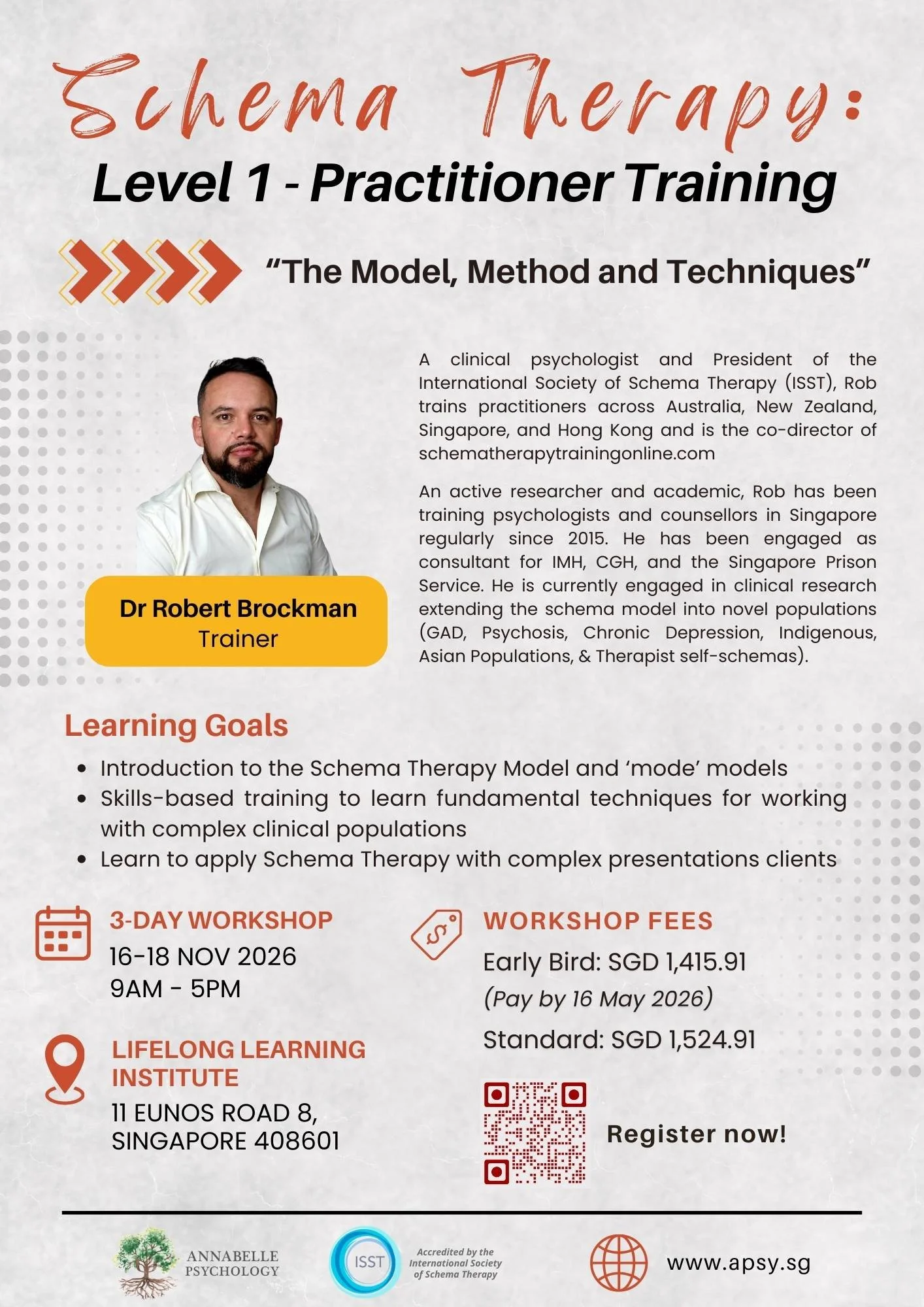
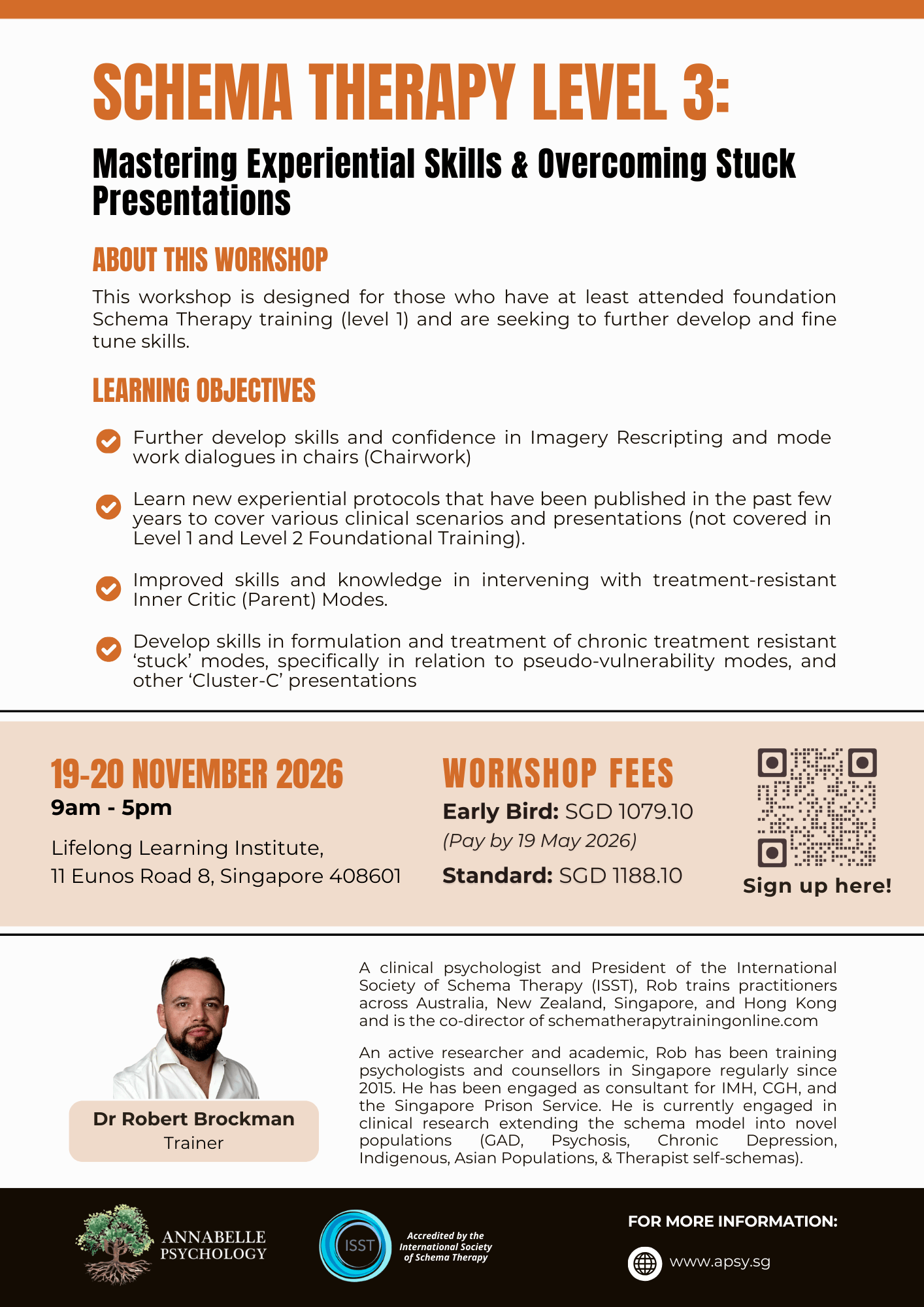
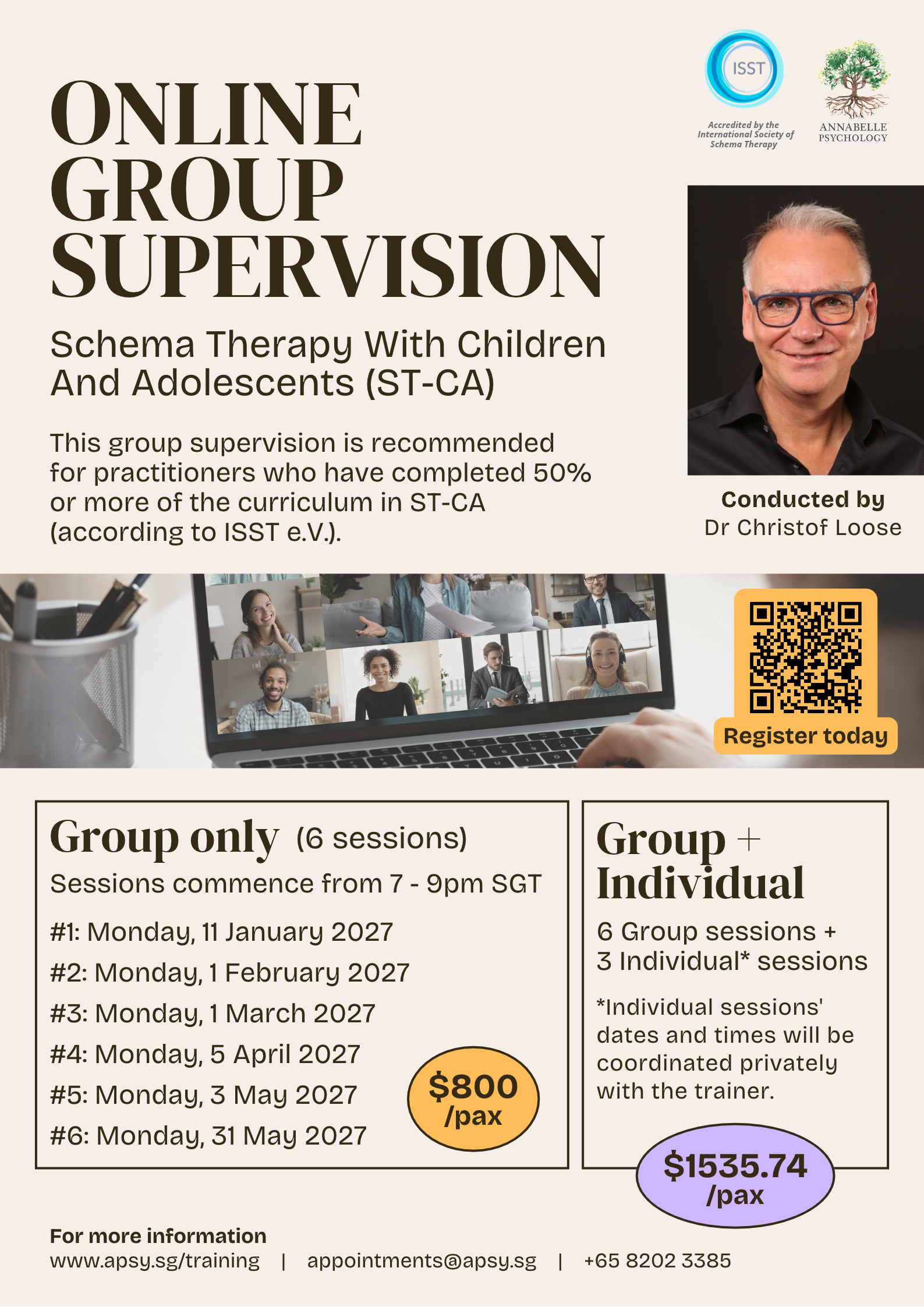
Events And Training
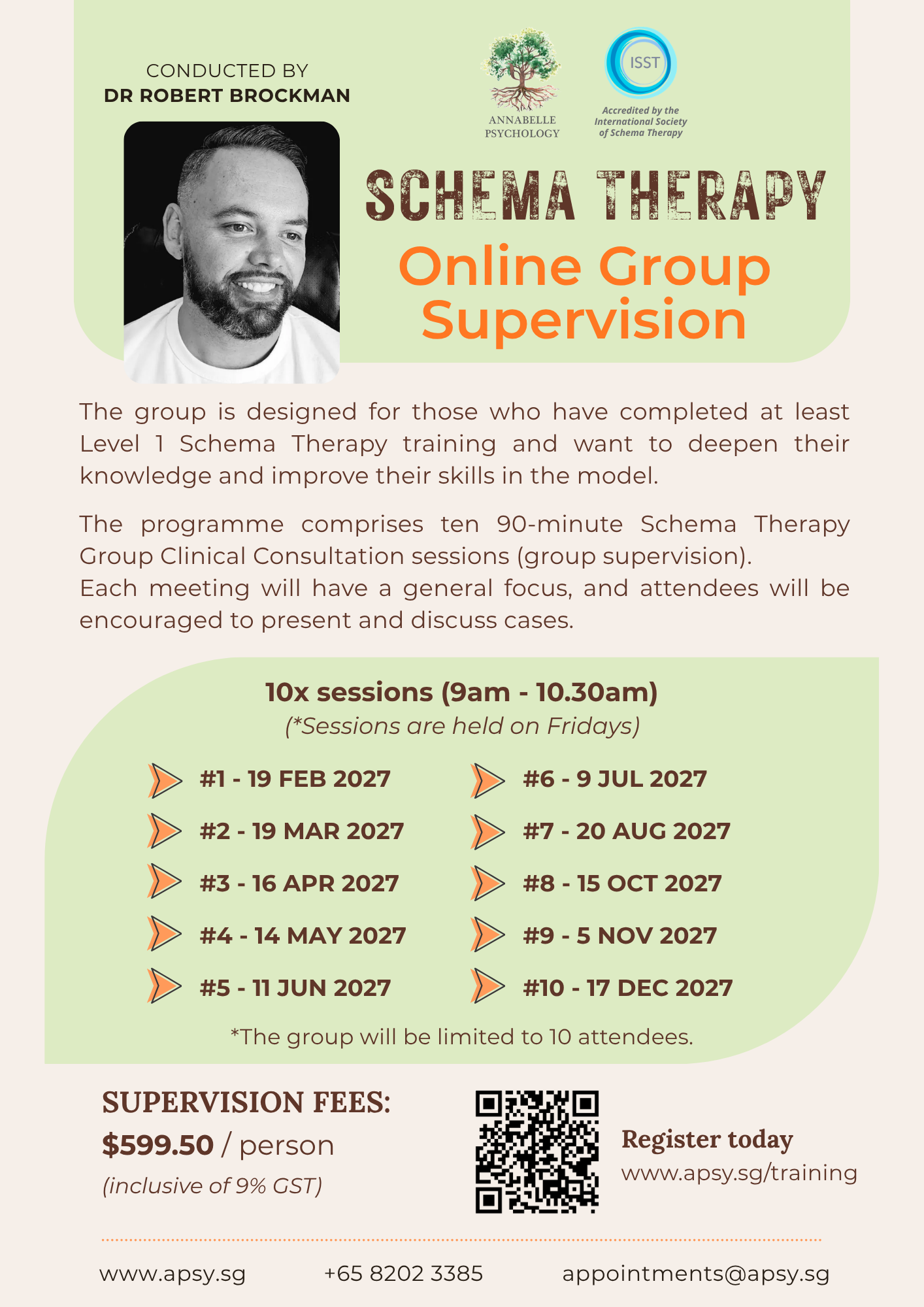
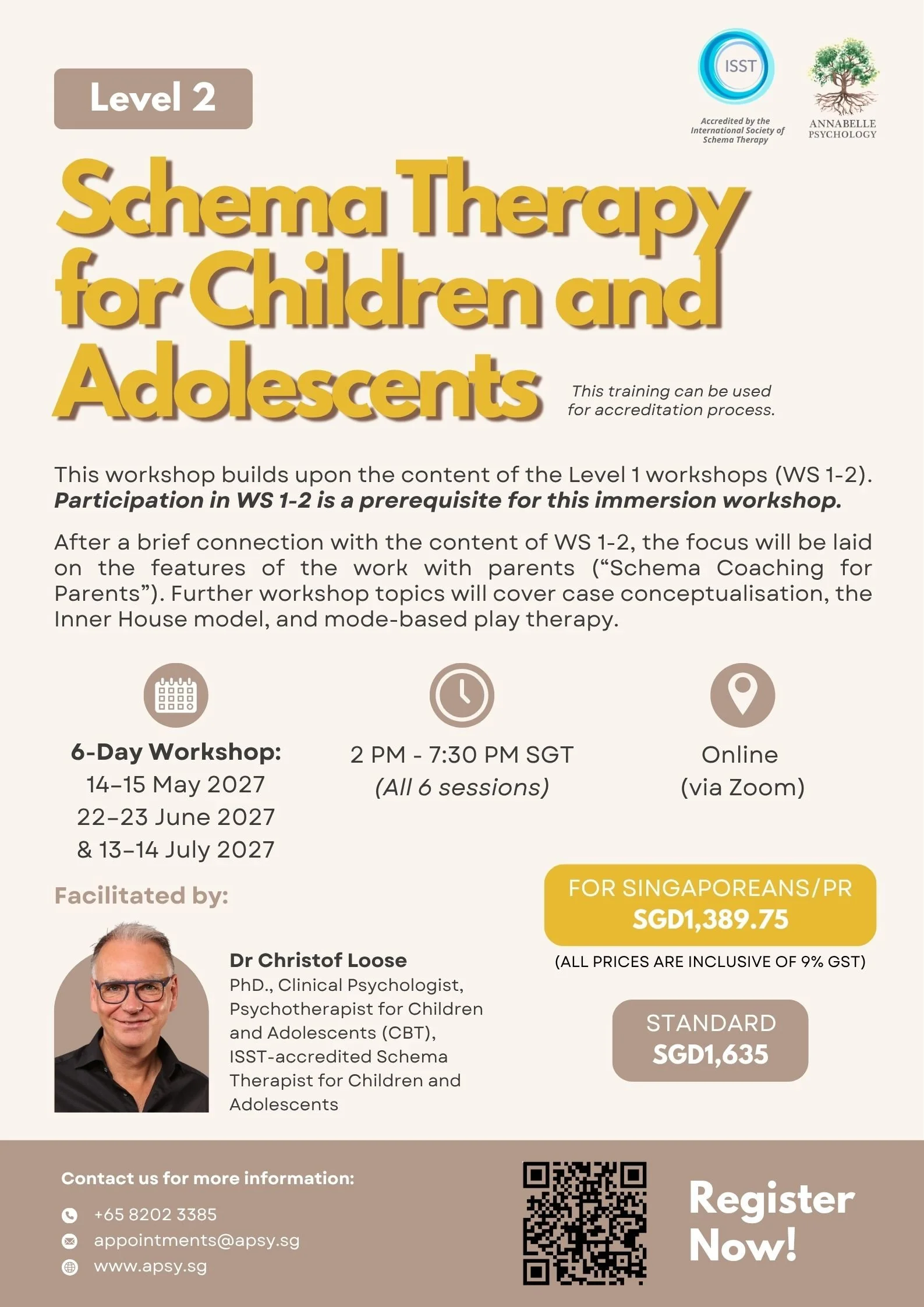
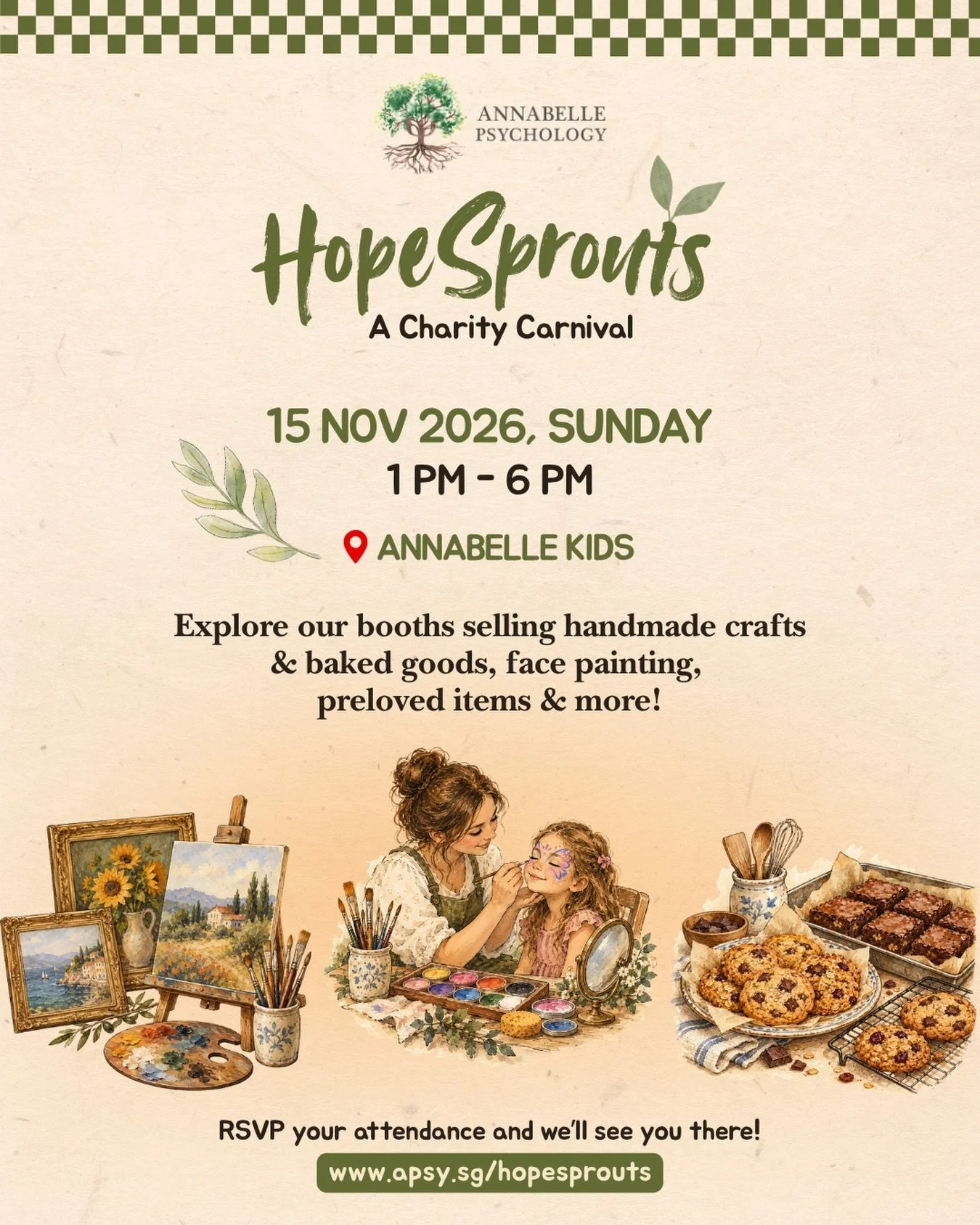
Insightful workshops designed for practitioners and experiential learning courses for members of public.
![[Closed] Couples Communication Workshop for Stronger Relationships](https://images.squarespace-cdn.com/content/v1/5ba38cfea2772c22153909a0/fef046a1-ed03-4f18-8c1c-2c5f86b81c5e/Q4-runCouples-Workshop-2026.png)
![[Level 1] Schema Therapy for Children and Adolescents with Dr Christof Loose](https://images.squarespace-cdn.com/content/v1/5ba38cfea2772c22153909a0/56d45347-0783-4de4-8d2c-d3444f942c05/Mar-2027-L1-Schema-Christof.jpg)
![[Level 1] Schema Therapy: Practitioner Training](https://images.squarespace-cdn.com/content/v1/5ba38cfea2772c22153909a0/68ed6004-5667-4283-9eb4-422c4d032e3b/2027-May-Rob-L1.jpg)
![[Level 2] Advanced Schema Therapy Training](https://images.squarespace-cdn.com/content/v1/5ba38cfea2772c22153909a0/2448c133-8604-470a-bb0e-d4a17d8c8542/Aug+2027+-+chris+hayes+schema+level+2.jpg)
Annabelle’s Mental Health Wall
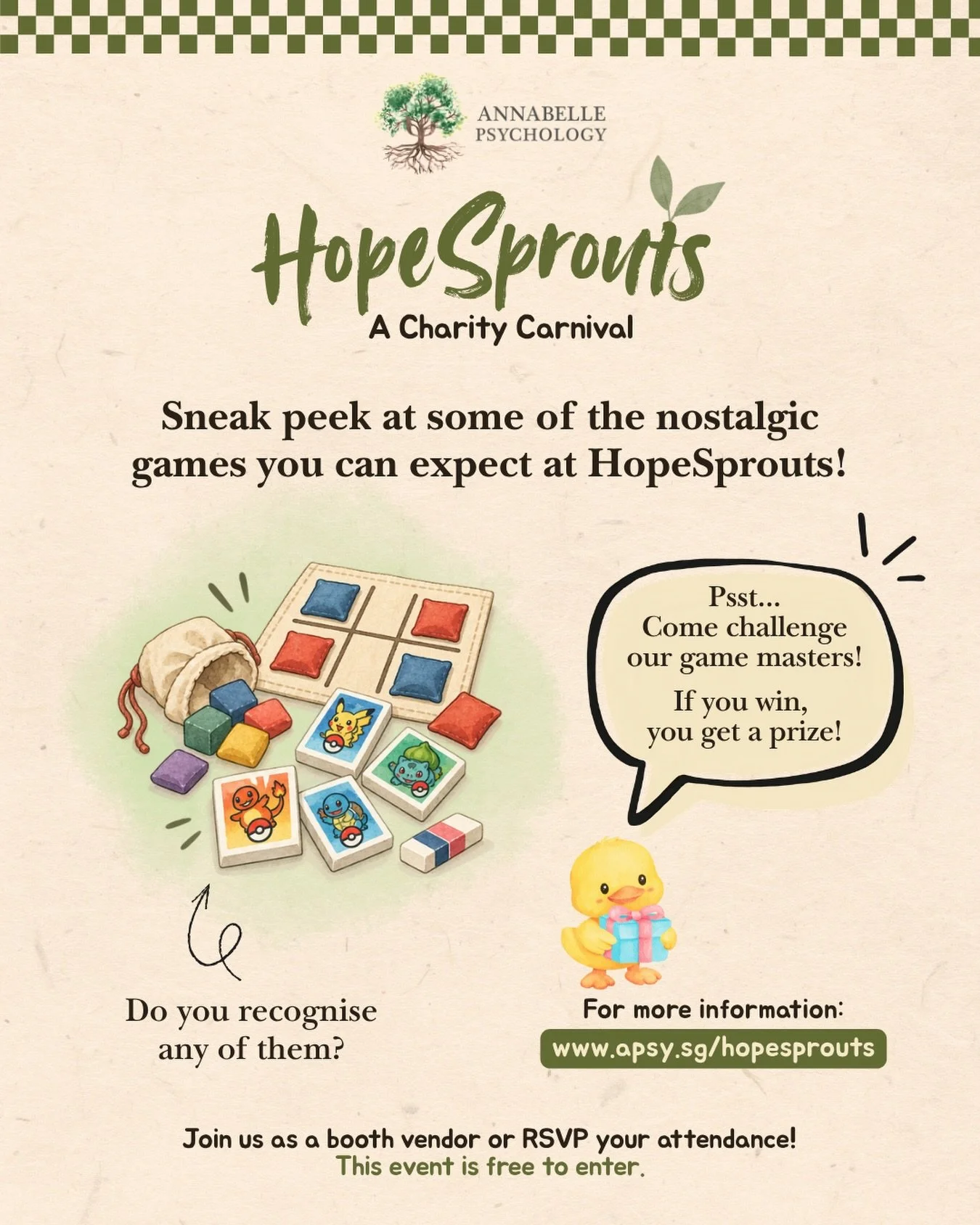
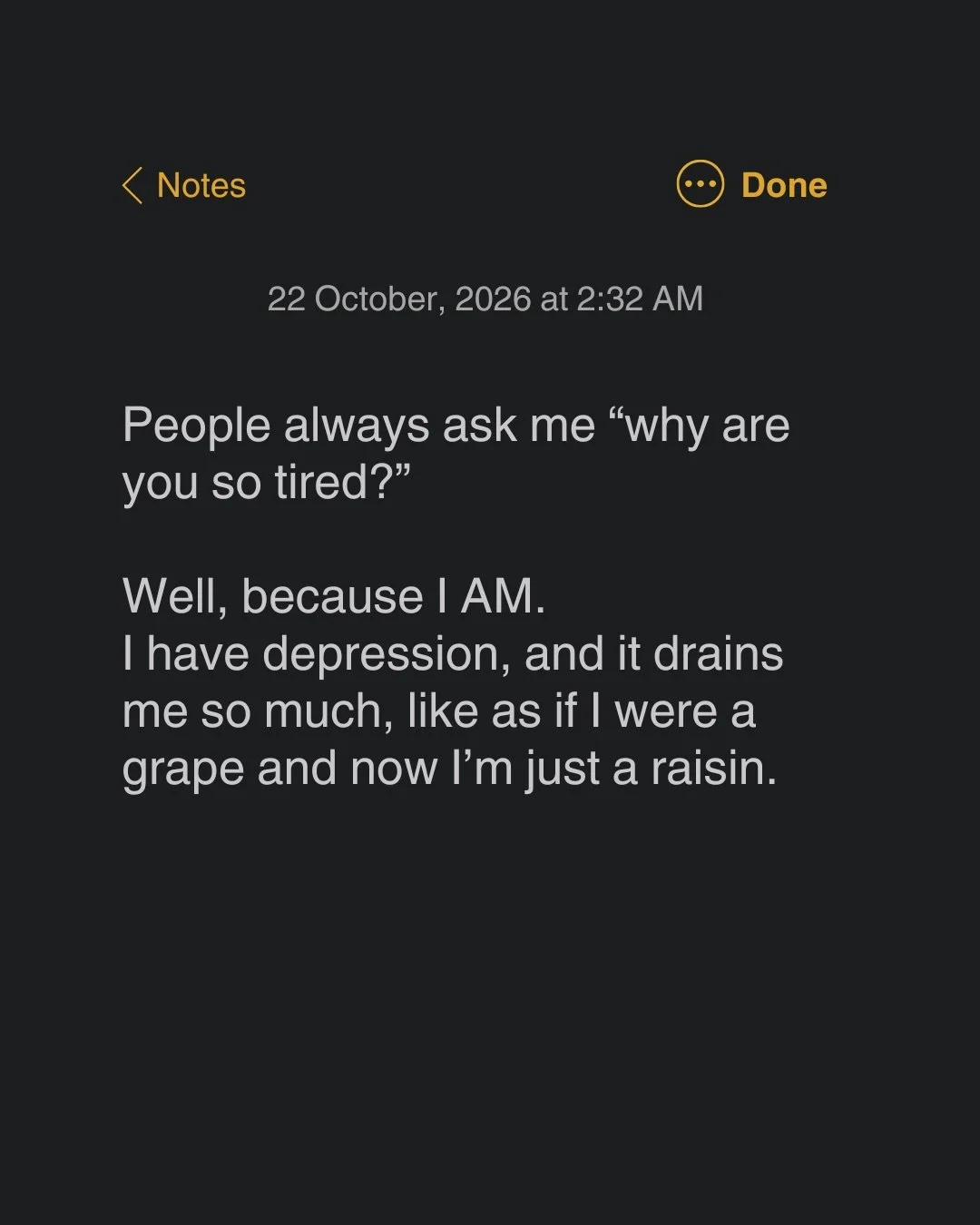
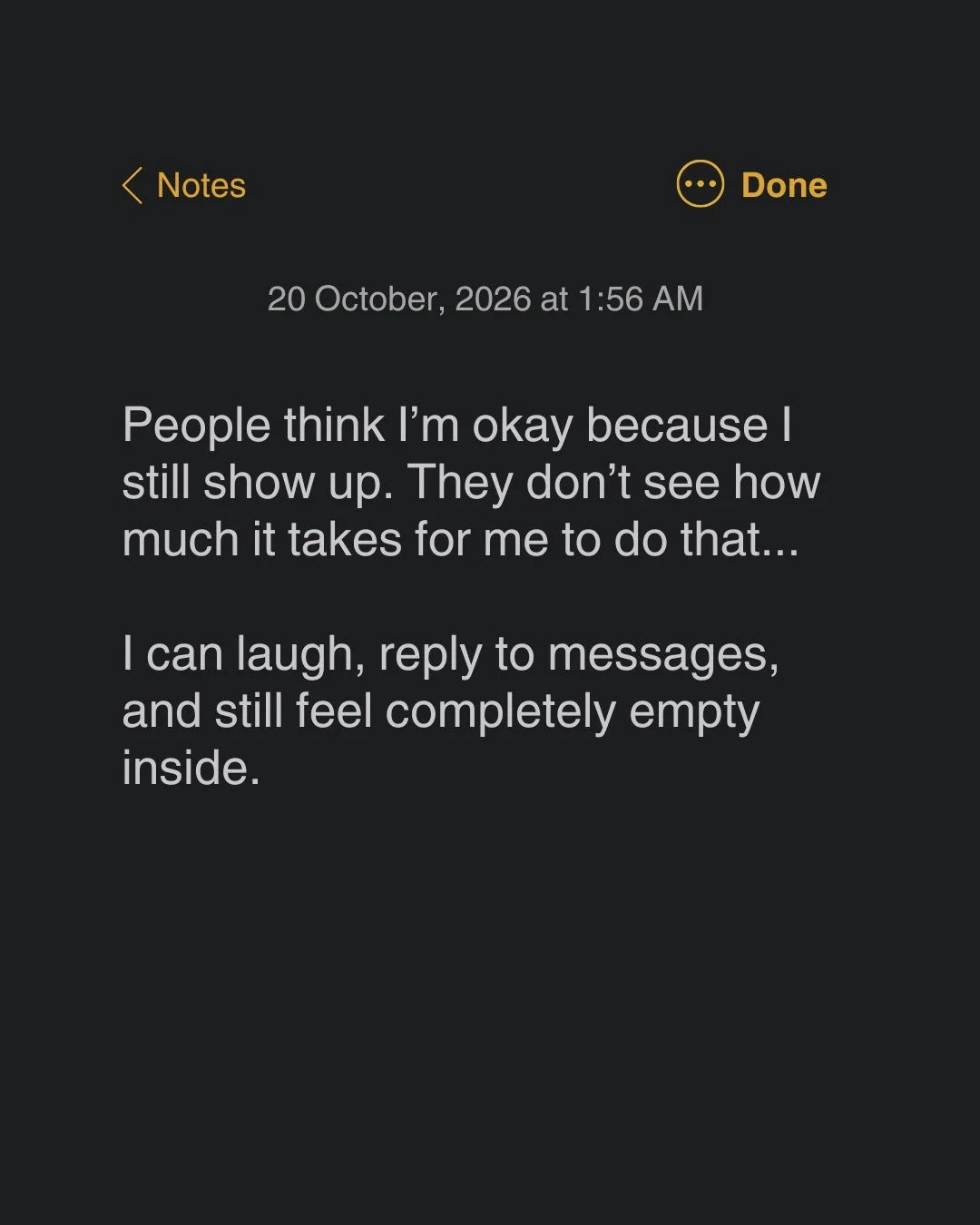
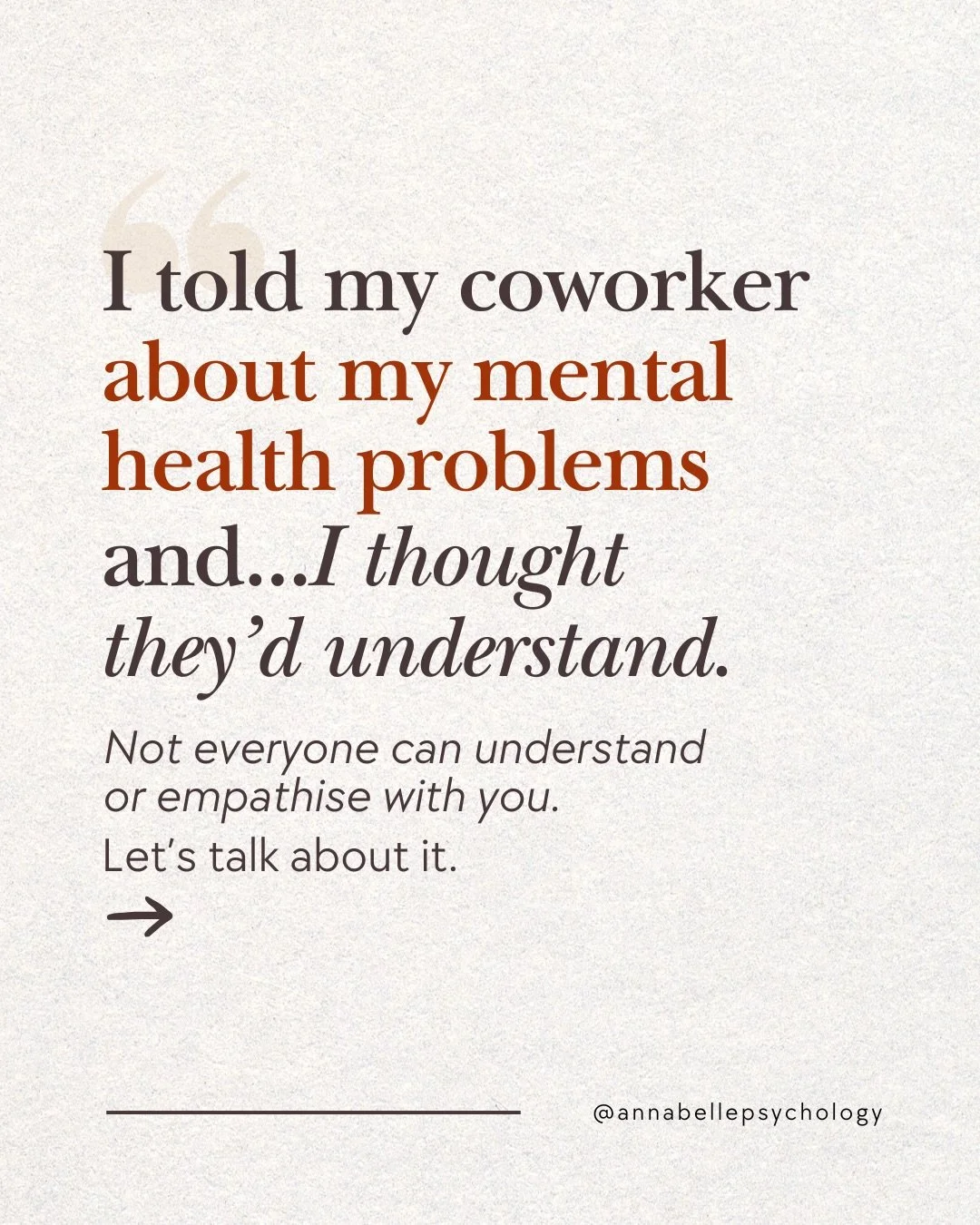
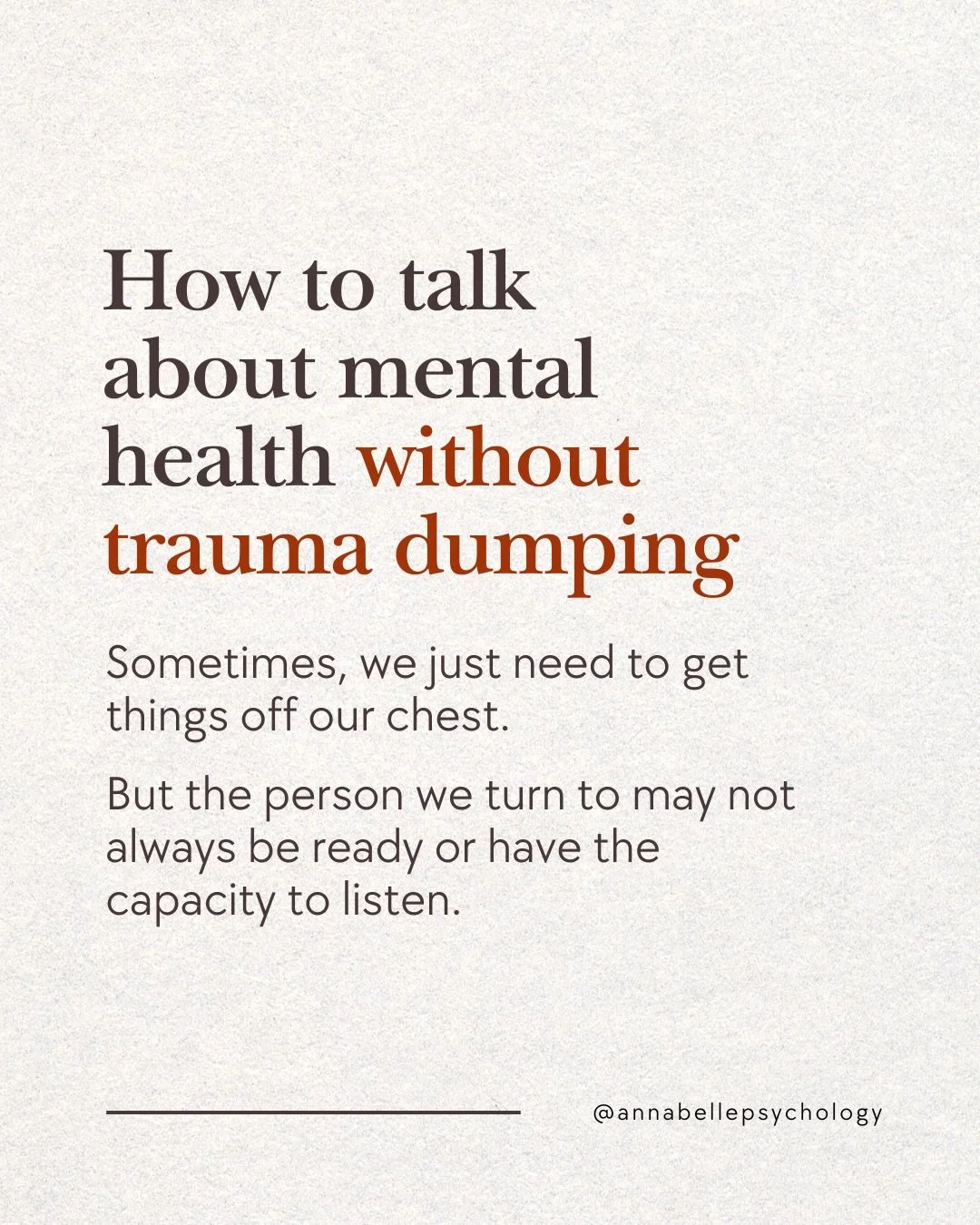
Discover interesting mental health conversations and tips on your feed.





Quisque iaculis facilisis lacinia. Mauris euismod pellentesque tellus sit amet mollis.