• About Us
    • Our Team
    • Our Therapeutic Spaces
    • Consultation Fees
    • Careers
    • Understanding Our Professionals
    • List All Clinicians
    • Dr Annabelle
    • Dr Daphne
    • Dr Lidia
    • Dr Yi Ling
    • Dr Nick
    • Angelin
    • Bryce
    • Chen Sung
    • Cherie
    • Christine
    • Cristina
    • Dawn
    • Elysia
    • Haanusia
    • Hui Yu
    • Jeanette
    • Jia Li
    • Jiayong
    • Kingslin
    • Ling Ling
    • Lisa
    • Lynn
    • Max
    • Mira 윤미라
    • Nasriah
    • Shermaine
    • Steph Chan
    • Steph Tak 탁현정
    • Wei Jie
    • Wei Jun
    • Weiting
    • Wendy
    • Yuka ゆか
    • Zack
    • Mental Health Concerns
    • Personality Disorders
    • Women's Health & Fertility
    • Couples and Families
    • Psycho-Legal Service
    • Psychological and Psychometric Assessments
  • Child Psychology
    • Events & Training
    • Schema Therapy Training
    • Corporate Workshops
    • Employee Assistance Programme
    • Media, Clients & Partners
    • Articles & Guides
    • Songs about Mental Health
    • Guided Exercises & Tools
    • Safety Plan
    • Monthly Mental Health Newsletter and Resources
    • FAQ
  • Appointments
  • Sign In My Account
Menu

Annabelle Psychology | Singapore's Leading Psychologists

101 Irrawaddy Road, #17-12
329565
+6582023385
Clinical Psychology

ANNABELLE PSYCHOLOGY

周泳伶临床心理诊所

clinical psychologists

Annabelle Psychology | Singapore's Leading Psychologists

  • Our Clinic
    • About Us
    • Our Team
    • Our Therapeutic Spaces
    • Consultation Fees
    • Careers
    • Understanding Our Professionals
  • Clinicians
    • List All Clinicians
    • Dr Annabelle
    • Dr Daphne
    • Dr Lidia
    • Dr Yi Ling
    • Dr Nick
    • Angelin
    • Bryce
    • Chen Sung
    • Cherie
    • Christine
    • Cristina
    • Dawn
    • Elysia
    • Haanusia
    • Hui Yu
    • Jeanette
    • Jia Li
    • Jiayong
    • Kingslin
    • Ling Ling
    • Lisa
    • Lynn
    • Max
    • Mira 윤미라
    • Nasriah
    • Shermaine
    • Steph Chan
    • Steph Tak 탁현정
    • Wei Jie
    • Wei Jun
    • Weiting
    • Wendy
    • Yuka ゆか
    • Zack
  • Adult Psychology
    • Mental Health Concerns
    • Personality Disorders
    • Women's Health & Fertility
    • Couples and Families
    • Psycho-Legal Service
    • Psychological and Psychometric Assessments
  • Child Psychology
  • Training
    • Events & Training
    • Schema Therapy Training
  • Corporates
    • Corporate Workshops
    • Employee Assistance Programme
    • Media, Clients & Partners
  • Resources
    • Articles & Guides
    • Songs about Mental Health
    • Guided Exercises & Tools
    • Safety Plan
    • Monthly Mental Health Newsletter and Resources
    • FAQ
  • Appointments
  • Sign In My Account

More Than Skin Deep: Understanding Self-Harm

February 27, 2026 Annabelle Psychology

Understanding self-harm: Why it happens, why it’s hard to stop, how to support someone or yourself

What Is Self-Harm? 

For some, emotional pain may take the form of self-harm, through behaviours such as cutting, burning, hitting, biting, scratching or picking at the skin. Unlike suicide, self-harm is typically carried out without the intention to die. Rather, it is often used as a way of coping.  

In Singapore, one Straits Times report noted that 1 in 4 young people said they had hurt themselves at least once in their lives. While self-harm is more commonly reported among adolescents and young adults, pain does not discriminate, and people of all ages and backgrounds can be at risk. 

Why Do Some People Self-Harm?  
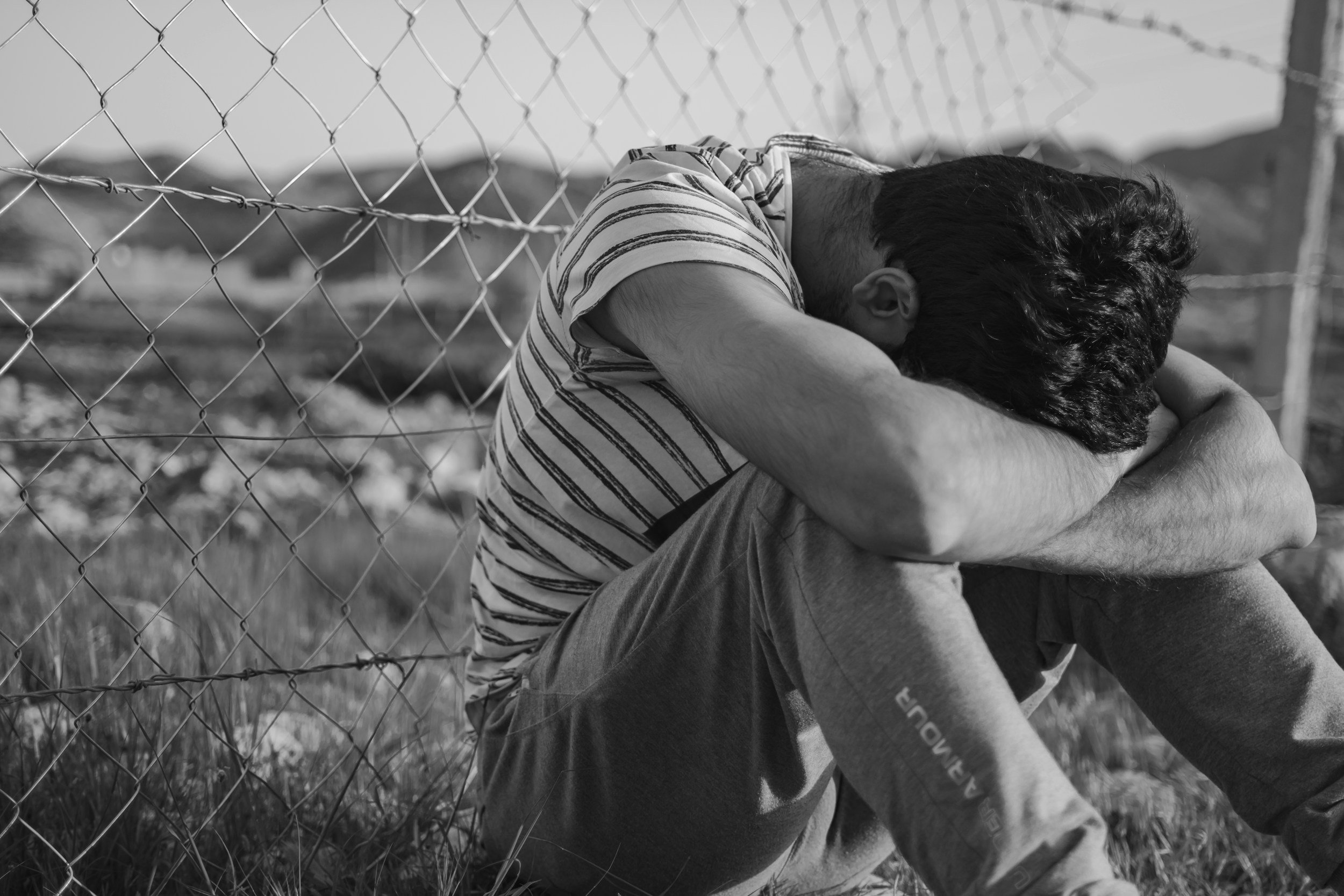
There is rarely a single cause. Self-harm is usually shaped by a combination of emotional, psychological and environmental factors. 

Common motivations include: 

  • To deal with overwhelming emotions 

  • To feel something when one feels numb or disconnected 

  • Punishing oneself due to guilt or shame 

  • Distracting oneself from intrusive or distressing thoughts 

  • Regaining a sense of control when life feels chaotic or unpredictable 

In the short term, these behaviours can bring a sense of relief. Understanding how that relief happens can clarify why self-harm may become a repeating pattern over time.

Why Is It Hard to Stop? 

Once self-harm becomes a way of coping, it can feel difficult to interrupt. 

One proposed explanation involves how the body responds to pain. When injury occurs, the body releases naturally occurring opioids as part of its pain-regulation system. These chemicals help reduce physical pain, and they are also involved in regulating emotions. Their activity may temporarily lower intense feelings such as distress, anxiety, or emotional overwhelm, creating brief relief. 

Although that relief is short-lived, if it comes quickly after the behaviour, the brain may learn that the action helped reduce distress. Over time, this can reinforce the pattern, making self-harm more likely to recur during future episodes of emotional intensity. 

A cycle may gradually develop: 

  • Emotional distress rises 

  • The urge to self-harm increases 

  • Temporary relief follows 

  • The behaviour becomes reinforced 

This is not a failure of willpower. It reflects a coping response that can become strengthened over time, including through biological processes involved in pain and emotion regulation. 


Getting Help 

Ψ If Someone You Know Is Struggling:

Disclosure is often a significant step. Many people who self-harm do not tell anyone because they anticipate judgement or alarm. If someone chooses to tell you, it usually reflects trust. 

It is natural to feel worried, upset or unsure how to respond. However, reacting with panic, anger or urgency can unintentionally shut the conversation down. 

Avoid: 

  • Interrogating with detailed questions 

  • Demanding promises to stop immediately 

  • Minimising their experience 

  • Responding with visible shock or distress 

Instead: 

  • Thank them for trusting you 

  • Listen calmly and without judgement 

  • Allow them to share at their own pace 

  • Acknowledge that stopping may feel complicated 

  • Encourage professional support gently 


You might say: 

“I’m really glad you told me. I can imagine this isn’t easy to talk about.” 
“I want to understand what it’s been like for you.” 

A steady, compassionate response makes it more likely they will continue to reach out rather than withdraw. 


Ψ If You Are Struggling:

Stopping self-harm is often a gradual process, and professional support can help. Alongside this, the following steps may be useful: 

  • Talk to someone you trust.  

  • Doing this alone is harder. Sharing even a small part of what you are going through can reduce isolation. 

  • Clarify your reasons for wanting to stop.  

  • Writing them down can help steady you when urges feel intense. 

  • Notice your triggers.  

  • Pay attention to the feelings, situations, or thoughts that tend to come before self-harm. 

  • Prepare alternatives in advance.  

  • When urges rise, it can be hard to think clearly. Having a short list ready can help. You may find our coping strategies helpful:  25 Things to Do Instead of Self-Harming  

If you are at risk of harming yourself, or feel unsafe, it is important to get help straight away. In Singapore, you can contact: 

  • Samaritans of Singapore (SOS): 1767 

  • National Mindline: 1771 

  • Or head to the nearest hospital A&E department 


Recovering from Self-Harm 

Recovery from self-harm looks different for everyone. For some, it means stopping completely. For others, it involves reducing the behaviour, understanding triggers, and strengthening overall wellbeing. 

It is rarely as simple as deciding to stop. There may be setbacks, and urges can continue even after periods without self-harm. This is common. 

With time and support, many people find that the intensity of those urges begins to lessen. Change may not happen all at once, but it can happen — and you do not have to navigate it alone. 

In Mental Health Challenges Tags Grief & Loss, Depression, Identity & Self-Esteem, Anxiety & Depression, Body Image, Coping Strategies, Stress & Burnout, Suicide & Crisis Support, Childhood Trauma
 Low Sexual Desire: When Intimacy Feels Hard to Talk About  →

Annabelle Psychology

Useful Information

Newsroom
Telehealth
Safety Plans
Board of Advisors

Give us Feedback

Clinical Team
Support Team

Clinical Services

Women’s Psychological Health
Couples and Family
Child Psychology
Psycho-legal Service
Psychological & Psychometric Assessments
Employee Assistance Programme


Neurodevelopmental Disorders
Ψ Attention Deficit/Hyperactivity Disorder (ADHD)
Ψ Autism Spectrum Disorder
Ψ Intellectual Disability

Obsessive-Compulsive Disorders

Conduct Disorders
Ψ Conduct Disorder
Ψ Oppositional Defiant Disorder (ODD)

Paraphilic Disorders
Ψ Exhibitionistic Disorder
Ψ Fetishistic Disorder
Ψ Voyeuristic Disorder

Women’s Health
Ψ Endometriosis
Ψ Menopause transition
Ψ Miscarriage & Stillbirth
Ψ Perinatal OCD

Mental Health Concerns

View All

Personality Disorders
Ψ Borderline Personality Disorder (BPD)
Ψ Narcissistic Personality Disorder (NPD)
Ψ Antisocial Personality Disorder

Abuse, Trauma and Stress Disorders
Ψ Abuse and Trauma
Ψ Acute Stress Disorder (ASD)
Ψ Adjustment Disorder
Ψ Complex PTSD
Ψ Post-Traumatic Stress Disorder (PTSD)

Anxiety & Mood Disorders
Ψ Depression
Ψ Social Anxiety Disorder
Ψ Specific Phobias
Ψ Panic Disorder
Ψ Conduct Disorders
Ψ Health Anxiety

Free Mental Health Resources
More Than Skin Deep: Understanding Self-Harm
Feb 27, 2026
More Than Skin Deep: Understanding Self-Harm
Feb 27, 2026
Feb 27, 2026
 Low Sexual Desire: When Intimacy Feels Hard to Talk About 
Feb 25, 2026
 Low Sexual Desire: When Intimacy Feels Hard to Talk About 
Feb 25, 2026
Feb 25, 2026
How to Heal After a Breakup: Gentle Tips for Heartbreak
Feb 23, 2026
How to Heal After a Breakup: Gentle Tips for Heartbreak
Feb 23, 2026
Feb 23, 2026
Time Management Tips for Stress, Overwhelm and Burnout
Feb 20, 2026
Time Management Tips for Stress, Overwhelm and Burnout
Feb 20, 2026
Feb 20, 2026
Why Do I Feel Angry All the Time: Understanding Anger
Feb 16, 2026
Why Do I Feel Angry All the Time: Understanding Anger
Feb 16, 2026
Feb 16, 2026
A Gentler Way to Communicate: Using ‘I’ Statements
Feb 13, 2026
A Gentler Way to Communicate: Using ‘I’ Statements
Feb 13, 2026
Feb 13, 2026
Managing a Difficult Boss: How to Cope at Work
Feb 9, 2026
Managing a Difficult Boss: How to Cope at Work
Feb 9, 2026
Feb 9, 2026
Sleep Hygiene Basics: 7 Key Principles for Better Sleep 
Feb 6, 2026
Sleep Hygiene Basics: 7 Key Principles for Better Sleep 
Feb 6, 2026
Feb 6, 2026
Grief Rituals: Finding Structure in Loss
Feb 2, 2026
Grief Rituals: Finding Structure in Loss
Feb 2, 2026
Feb 2, 2026
How to Practise Abdominal (Belly) Breathing 
Jan 26, 2026
How to Practise Abdominal (Belly) Breathing 
Jan 26, 2026
Jan 26, 2026
The Male Loneliness Epidemic: Why More Men in Singapore Are Feeling Isolated Today
Dec 29, 2025
The Male Loneliness Epidemic: Why More Men in Singapore Are Feeling Isolated Today
Dec 29, 2025
Dec 29, 2025
Understanding Premature Ejaculation - When It Happens Too Soon
Dec 22, 2025
Understanding Premature Ejaculation - When It Happens Too Soon
Dec 22, 2025
Dec 22, 2025
How to Cope When Traumatic News Leaves You Shaken
Dec 19, 2025
How to Cope When Traumatic News Leaves You Shaken
Dec 19, 2025
Dec 19, 2025
Understanding Erectile Dysfunction: It’s More Common Than You Think
Dec 15, 2025
Understanding Erectile Dysfunction: It’s More Common Than You Think
Dec 15, 2025
Dec 15, 2025
How Hormonal Shifts Shape Men’s Emotional Wellbeing
Dec 8, 2025
How Hormonal Shifts Shape Men’s Emotional Wellbeing
Dec 8, 2025
Dec 8, 2025
Men and Body Image: Why It’s Time to Talk About It
Dec 1, 2025
Men and Body Image: Why It’s Time to Talk About It
Dec 1, 2025
Dec 1, 2025
How to Cope with Sexual Performance Anxiety
Nov 24, 2025
How to Cope with Sexual Performance Anxiety
Nov 24, 2025
Nov 24, 2025
 Body Dysmorphic Disorder (BDD): Why It’s Not Vanity
Nov 17, 2025
Body Dysmorphic Disorder (BDD): Why It’s Not Vanity
Nov 17, 2025
Nov 17, 2025
Hyperemesis Gravidarum: More Than Just Morning Sickness
Nov 10, 2025
Hyperemesis Gravidarum: More Than Just Morning Sickness
Nov 10, 2025
Nov 10, 2025
Andropause Is Real: Understanding the Emotional Toll of Low Testosterone
Nov 3, 2025
Andropause Is Real: Understanding the Emotional Toll of Low Testosterone
Nov 3, 2025
Nov 3, 2025
Body Dysmorphic Disorder (BDD): Signs, Causes and How to Get Help
Oct 27, 2025
Body Dysmorphic Disorder (BDD): Signs, Causes and How to Get Help
Oct 27, 2025
Oct 27, 2025
What to Do If Someone Calls You Manipulative
Oct 20, 2025
What to Do If Someone Calls You Manipulative
Oct 20, 2025
Oct 20, 2025
Managing Conflicts in a Relationship
Oct 13, 2025
Managing Conflicts in a Relationship
Oct 13, 2025
Oct 13, 2025
6 Practical Tips for Everyday Emotional Care
Oct 6, 2025
6 Practical Tips for Everyday Emotional Care
Oct 6, 2025
Oct 6, 2025
Pressure to Be Perfect: Managing Personal Work Expectations
Sep 29, 2025
Pressure to Be Perfect: Managing Personal Work Expectations
Sep 29, 2025
Sep 29, 2025
Living Well with Alzheimer’s: Compassion, Care and Understanding
Sep 22, 2025
Living Well with Alzheimer’s: Compassion, Care and Understanding
Sep 22, 2025
Sep 22, 2025
How to Communicate Better with Your Partner During Conflict
Sep 15, 2025
How to Communicate Better with Your Partner During Conflict
Sep 15, 2025
Sep 15, 2025
What to Text (and Not Text) When Someone Is Suicidal
Sep 8, 2025
What to Text (and Not Text) When Someone Is Suicidal
Sep 8, 2025
Sep 8, 2025
 Should We Be Worried About “AI Psychosis” Today?
Sep 1, 2025
Should We Be Worried About “AI Psychosis” Today?
Sep 1, 2025
Sep 1, 2025
Kpods: Risks, Reasons and Support That Helps
Aug 25, 2025
Kpods: Risks, Reasons and Support That Helps
Aug 25, 2025
Aug 25, 2025

Free Monthly Resource

Subscribe to receive our curated mental health resource

You can unsubscribe at any time.

Thank you for signing up for our Newsletter.

Check your e-mail for our next toasty newsletter soon!

View our Newsletter Archive here

Proudly Supporting Inclusive Communities

Annabelle Psychology's Company of Good 1 Heart

Company of Good

SG Enable Enabling Employment Pledge

SG Enable

PAP Mental Health Group logo

PAP Mental Health Group Community Partner


Psychologists


Dr Annabelle Chow
Dr Daphne Goh
Dr Lidia Suárez
Dr Yi Ling Tay
Dr Nick Buckley
Angelin Truscott
Bryce Ong
Chen Sung Wong
Cherie Sim
Christine Kwek
Cristina Gwynn
Dawn Chia
Elysia Tan
Haanusia Raj
Hui Yu Chan
Jeanette Lim
Jia Li Lim
Jiayong Lin
Kingslin Ho
Lisa Tang
Lynn Ng
Maximillian Chen
Nasriah Rizman
Shermaine Chek
Stephanie Chan
Stephanie Tak
Wei Jie Soh
Wei Jun Tan
Weiting Zeng
Yuka Aiga
Zack Yeo

Allied Health Practitioners


Couple and Family Counsellors
Ling Ling Chiam
Wendy Yeap

Art Therapists
Mira Yoon

Speech Therapists
Anabella Seah

Occupational Therapists
Akio Lim
Sharyn Koh

Make an Appointment with our Clinicians

Consultations

Strictly by appointment only

Operating Hours:
Monday to Saturday, 8.00 am to 6.00pm

enquiries attended from 9:00am except After Hours

Rates

Consultations after 6.00pm, or on Saturdays, Sundays, or the eve of or on Public Holidays, attract an additional fee (“After Hours“). Rates here.

Different rates apply to outcalls, couple, family, diagnostics and other services.

Contact

+65 8202 3385
appointments@apsy.sg

Novena

Annabelle Psychology (Novena)
Royal Square Medical Centre
101 Irrawaddy Road #17-12
Singapore 329565

Thomson

Annabelle Psychology (Thomson)
SLF Building
510 Thomson Road #15-03
Singapore 298135


Careers | Terms | Payment
All rights reserved © 2024