
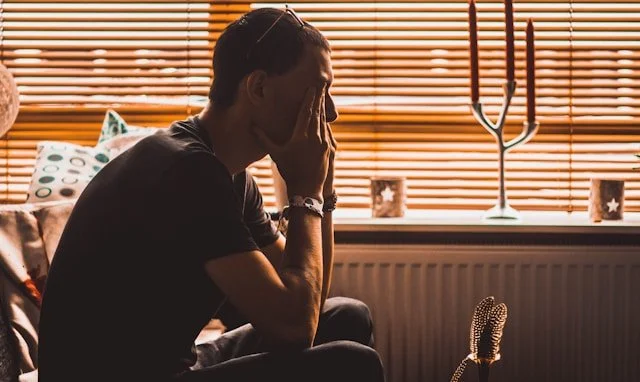
When conversations about men’s health come up, the focus often leans toward physical strength, stamina, or “performing well” in life and in the bedroom. Yet one of the most common sexual concerns men experience, premature ejaculation (PE), is something many struggle with quietly. It is normal to feel embarrassed, alone or unsure of what to do next, especially when the world rarely talks about these challenges openly or kindly.
However, PE is something many men go through at some point, and it deserves to be understood with compassion rather than shame. This is not about failing as a man. It is about a health concern that affects the mind and emotions, and one that can be supported and treated.
What is Premature Ejaculation?
Premature ejaculation occurs when ejaculation happens sooner than you or your partner would like, sometimes within moments of starting sexual activity or even before penetration. While everyone’s situation is different, most healthcare organisations typically describe PE when ejaculation:
Happens sooner than desired
Led to distress or frustration for one or both partners
Occurs during most or all sexual activity
Happens within about a minute of penetration
Has been ongoing for six months or longer
There are generally two types of PE:
Lifelong PE: This means it has been present since a man’s earliest sexual experiences.
Acquired PE: This develops later in life after previously having typical sexual function.
How Common is Premature Ejaculation?
In Singapore, studies suggest that about one in five men experience PE at some point. The true number may be higher because many men keep their struggles to themselves. That silence can feel heavy, but the more we normalise these conversations, the easier it becomes to seek help and feel supported.
What Causes Premature Ejaculation: The Mind-Body Connection
PE is rarely caused by one single issue. Instead, it is usually influenced by a combination of psychological, biological, and lifestyle factors that shape how the body and mind respond during intimacy.
Psychological factors:
Performance anxiety: Feeling worried about lasting long enough can make it harder to stay present, creating a cycle where anxiety itself speeds up ejaculation
Relationship pressure: Wanting to satisfy a partner or fearing disappointment can unintentionally add stress
Past experiences: Early rushed sexual encounters, sexual trauma, or long periods of abstinence can influence sexual response patterns later on
Low mood or guilt: Feeling ashamed, not “good enough,” or mentally weighed down during sex can intensify PE
Biological factors:
Differences in brain chemicals such as serotonin and dopamine
Prostate or urethral conditions, includin g inflammation or infection
Natural sensitivity
Inherited traits or family history
Lifestyle and other risk factors:
Concerns about erectile dysfunction may lead to “rushing” sex
Age-related changes in erections may make ejaculation feel faster
Stress and fatigue can reduce relaxation and connection during intimacy
None of these causes reflect weakness. They simply show how intertwined the brain, body, and emotional world are when it comes to sexual functioning.
The Emotional Impact
PE is not just about timing. For many men, it affects how they feel about themselves. Some describe feeling embarrassed, frustrated or worried about disappointing their partners. Others may begin avoiding sex altogether, not because they don’t care, but because the experience has become stressful rather than intimate.
If any of this feels familiar, it’s important to hear this clearly:
Experiencing PE does not make you broken, less masculine, less desirable, or less capable of love or connection. Sexual challenges are part of being human. You are not alone in this, and you deserve support that meets you with understanding rather than criticism.
What Can Help: Finding Support and Taking Steps Forward
If PE has been affecting your confidence, mental health, or relationship, speaking to a healthcare professional who understands men’s sexual and emotional wellbeing can be empowering. Depending on the situation, support may include:
Relaxation or mindfulness strategies that help reduce anxiety during intimacy
Behavioural exercises that build control gradually and gently
Couples-focused work to improve emotional closeness and communication
Medical or pharmacological options when appropriate
These are not “quick fixes” but ways of learning more about your body and emotions so that sex can once again feel connected rather than pressured.
A Kinder Way Forward
It is time for conversations about men’s health to make space for vulnerability and the very real emotional challenges men often carry quietly. PE does not need to remain a hidden struggle. Sexual health and mental health are deeply connected and seeking support is a sign of courage and care for yourself and your relationship.
If this is something you or someone you care about has been experiencing, consider reaching out. It can be a gentle first step toward feeling more confident and more in control again.
