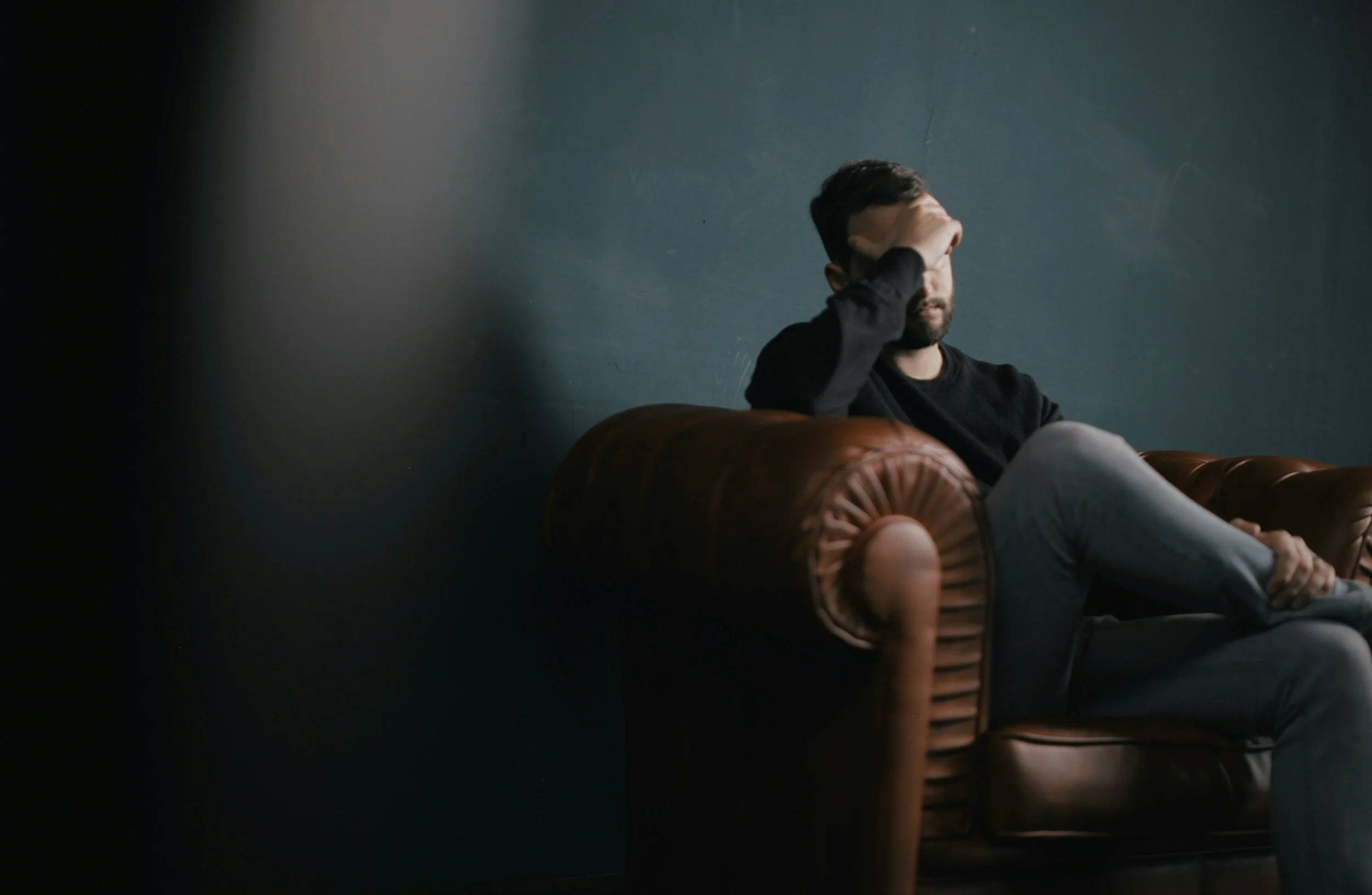
Let’s talk about something that many men hesitate to bring up, even with their doctors: Erectile Dysfunction. For many, it’s wrapped in embarrassment or silence. Yet, the truth is that ED is a common health condition, especially as men get older. It’s neither a sign of weakness, nor does it mean that you are “less than.”
What is Erectile Dysfunction?
Erectile dysfunction (ED) refers to the persistent difficulty in achieving or maintaining an erection sufficient for sexual activity. Many men experience the occasional “off” moment – it’s normal for erections to vary depending on stress, tiredness, or even alcohol use. However, when the problem becomes consistent and starts to cause distress or strain in relationships, it might be time to take a closer look.
ED can affect men of any age, though it becomes more common as men grow older. It usually arises from a combination of physical and psychological factors, including medical conditions, lifestyles, stress, or relationship challenges. Understanding this helps frame ED as a manageable health concern rather than a personal failing.
The Physical Side: What’s Happening in the Body
Physiologically, an erection depends on healthy blood flow, nerve function, and hormonal balance. When any of these are disrupted, ED can occur.
Common physical contributors of erectile dysfunction may include:
Cardiovascular conditions: High blood pressure, high cholesterol, or diabetes can impair blood flow to the penis, making it difficult to achieve or maintain an erection.
Hormonal changes: Lower testosterone levels can reduce sexual desire and affect erectile function.
Certain medications: Some medications, including those used for high blood pressure or depression, may have side effects that impair sexual performance.
Lifestyle factors: Poor lifestyle habits can contribute to erectile difficulties.
The Psychological Side: More Than Just “In Your Head”
ED is rarely just a physical problem. Psychological causes of erectile dysfunction are common, and addressing them can help improve the situation.
Common psychological contributors may include:
Depression: Depression can lower libido and energy, making sexual activity difficult.
Relationship stress: Unresolved conflict or lack of emotional closeness can reduce intimacy and contribute to ED.
Sexual performance anxiety: Pressure to “perform” sexually can affect confidence, creating fear and disappointment that perpetuates difficulties.
Even when the primary cause is physical, emotional and psychological factors can exacerbate symptoms, creating a cycle that perpetuates ED. For example:
Recognising the psychological side of ED is crucial, as addressing it can significantly improve outcomes. Approaches such as therapy, stress reduction, or couples’ support can help break this cycle, restore confidence, and improve both sexual and emotional well-being.
It Affects More Than the Body: Emotional and Social Impacts
ED can also have wide-ranging emotional, social, and relational impacts.
Ψ Psychological Impacts
ED can profoundly affect self-esteem and emotional well-being. Many men experience feelings of inadequacy, embarrassment, or emasculation, particularly in contexts where sexual performance is closely tied to masculinity. These feelings then result in reduced confidence, anxiety, and avoidance of intimacy or social situations, further reinforcing negative emotions.
Ψ Social Impacts
Sexual difficulties can place stress on relationships. Withdrawal or avoidance of intimacy may be misinterpreted by partners as a lack of affection or interest, leading to misunderstandings and tension. In addition, men may avoid non-sexual interactions out of fear that others will “find out” about their difficulties, increasing their feelings of isolation and distress.
Ψ Supporting Partners
Partners may experience frustration, confusion, or helplessness. It’s important for them to acknowledge their own feelings while creating a supportive environment. Encouraging open communication, validating experiences, and avoiding blame can help both partners break the cycle and foster emotional and physical intimacy.
Getting Help: What You Can Do
One of the most important messages to the public is that ED is treatable. Men experiencing difficulties should feel encouraged to seek help.
ED can be prevented or mitigated through positive lifestyle habits. Consider:
Don’t smoke: Smoking damages blood vessels, which can reduce blood supply to the penis and result in difficulties achieving or maintaining an erection.
Maintain a healthy lifestyle: Eating a balanced diet and exercising regularly can support cardiovascular health, improve circulation, and regulate hormones. These can contribute to better sexual function and overall well-being.
Limit alcohol and avoid drug use: Excessive alcohol intake and substance use can interfere with nerve sensitivity, hormone levels, and blood flow, increasing the risk of erectile difficulties.
It’s also important to manage existing medical conditions. Chronic illnesses such as diabetes, high blood pressure, or cardiovascular disease can precede or worsen ED. Effectively treating these conditions not only protects overall health but may also help restore erectile function.
If ED persists, professional support is available. A doctor can help identify any underlying physical causes, while a psychologist can address emotional, relational, and confidence-related aspects. By tackling the issue from multiple angles, men can often achieve meaningful improvement and regain a sense of control and confidence in their intimate lives.
Breaking the Silence
For many men, the hardest step is simply starting the conversation around ED. Societal expectations of masculinity often send the message that men should always be “in control” and capable, making it difficult to admit to sexual difficulties. But vulnerability doesn’t make you weak. Rather, it takes courage to acknowledge when something isn’t right and to take steps toward change.
ED is not a verdict on masculinity, health, or love. Whatever the cause, it deserves understanding, not shame. Taking that first step, whether it’s sharing with a partner, a trusted friend, or a healthcare professional, can make a tremendous difference. Open communication not only eases anxiety but also allows for practical solutions and emotional support to emerge.
With support and treatment, many men not only regain sexual function but also experience deeper emotional connection, improved confidence, and a renewed sense of self-worth.
