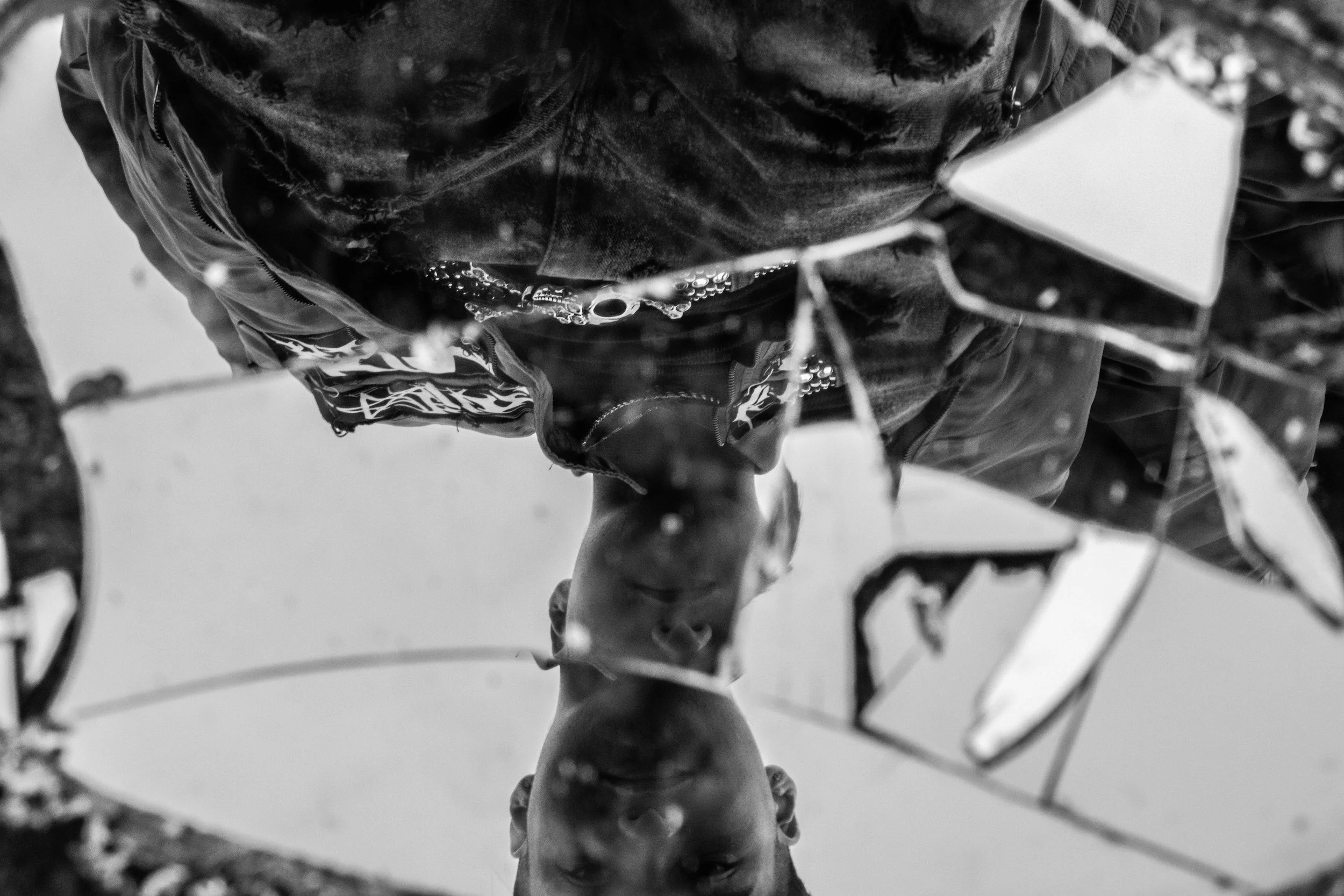
Think about the superheroes we grew up watching: Captain America (post-super soldier serum), Wolverine, Thor. How often do we see a leading male hero who's not lean, muscular, and chiselled? Media portrayals of men almost always feature strength defined through physicality, such as having broad shoulders, six-pack abs, and unshakeable confidence.
Many men feel pressured to live up to these ideals, pushing themselves beyond their limits just to be seen as “fit” or “attractive.” But these standards of masculinity are often unrealistic, and their influence can be subtle yet powerful.
Yes, men struggle with body image issues too
Simply put, body image is how you perceive your physical appearance and how it makes you feel. When that picture doesn’t match how you think you should look, body image concerns can arise.
Men’s body dissatisfaction is more common than many realise. Many men want to put forth the best version of themselves, to look capable, confident, and attractive. It’s only natural to care about how you present yourself, but when that goal becomes tied to unrealistic standards, it can easily lead to self-criticism.
Social media is one of the biggest drivers of body image dissatisfaction in men. When men are constantly exposed to images of sculpted physiques, the perfect gym routine, and transformation posts, they may start to feel pressured to achieve this so-called “normal” body. Over time, this pressure can quietly chip away at self-esteem, affect mood, and even lead to unhealthy habits around exercise, eating, or self-comparison.
Why men often don’t talk about these concerns
Even though these concerns are common, many men find it hard to talk about them. Societal and cultural expectations unintentionally encourage men to internalise their struggles–to stay composed, stoic, and “in control,” even in the face of complicated feelings.
Body image concerns can also stir up feelings of inadequacy, anxiety, low self-esteem, or shame. When men feel like they’re falling short, they may be embarrassed to open up about it. Without a safe space to share, many end up keeping their thoughts to themselves, which deepens the sense of isolation.
Yet silence doesn’t make the worry go away. In fact, it often reinforces the idea that these struggles are shameful and something to be hidden. The truth is, having open and honest conversations about body image can help men challenge the unrealistic standards that have long gone unquestioned, and remind them that they are not alone in feeling this way.
What body image concerns can look like
Body image concerns don’t always look the same. Some signs might include:
Constantly comparing yourself to others in the gym or online
Feeling uncomfortable showing your body in social settings
Exercising even when you’re injured or exhausted
Skipping social events because you feel “out of shape”
Obsessing over certain body parts or “flaws”
These worries can sneak into your daily routines. What you eat, how you dress, how you feel about yourself in photos, and even how you show up around friends or at work.
Why Men’s Body Image Matters
Many men may start to feel like they’re failing if they don’t live up to the standards of masculinity that media shows us. Wanting to be healthy and fit is perfectly normal, but when the focus shifts to constantly chasing bigger goals or “perfection,” it can start to take a toll.
Ψ Social
You might notice yourself avoiding social situations, skipping events, or withdrawing from friends and family because you feel self-conscious about how you look.
Ψ Emotional
Ongoing dissatisfaction with how your body looks can stir up feelings of inadequacy, shame, anxiety, and low self-esteem. Left unaddressed, these emotions can build up and start affecting other areas of your life.
Ψ Mental
Over time, these emotional struggles and constant pressure can contribute to mental health concerns like anxiety, depression, eating disorders, or body dysmorphia. In some cases, men may even turn to performance-enhancing drugs to try to meet the “ideal” they see in media.
How Men Can Improve Body Image, One Step at a Time
If you’ve been feeling this way, here are a few ideas that might help:
Ψ Notice your inner voice
Pay attention to what you tell yourself about your body. Would you say those words to a friend? If not, try to soften that self-talk and show yourself more grace and compassion.
Ψ Identify your triggers
Notice the situations, media, or comparisons that make you feel self-conscious. Try taking note of the immediate thoughts and feelings that arise, and how they influence your mood and behaviour. Being more aware is the first step to managing their impact.
Ψ Reframe what masculinity means to you
Masculinity doesn’t have to be defined by muscle size, leanness, or physical strength. Explore what being “a man” means to you beyond appearance. Qualities like confidence, kindness, resilience, or integrity can all be part of the picture.
Ψ Move for joy, not punishment
Exercise can be a source of strength and enjoyment rather than an obligation or a way to “fix” your body. Find activities that you love, and give yourself permission to rest when you need it.
Ψ Find a supportive community
Talking openly with friends, partners, or mental health professionals can make a big difference. Online communities can also be a helpful space to share experiences and support each other. Navigating these concerns with others can remind you that you're not alone.
Final thoughts we want to leave with you
Struggling with body image, feeling unhappy with your body, or facing challenges around food or fitness doesn’t make you weak, or “any less of a man.” These experiences are human, and acknowledging them is a sign of strength, not failure.
Remember, you don’t have to navigate these concerns alone. Talking about body image, challenging unrealistic ideals, and finding supportive communities can help you build a healthier, more compassionate relationship with your body. You deserve to feel confident, capable, and at peace in your skin.
