
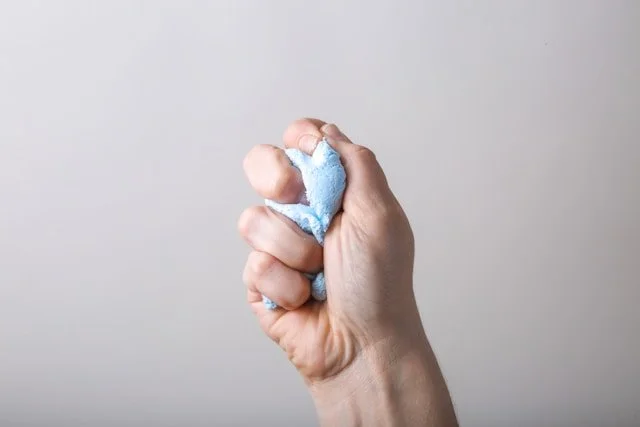
Anger is a natural human emotion, one that is trying to communicate something important to you. Perhaps you have been hurt, or a situation feels deeply unfair, or your boundaries have been crossed in ways you could not prevent. The emotion itself is not something to be ashamed of, it is simply a message from your mind, asking you to pay attention.
How Anger Affects Your Wellbeing
When anger feels overwhelming, it can touch every part of your life in ways both obvious and subtle. You might notice it affecting your mental health, your physical body, and your connections with the people you care about most. Perhaps you have felt your heart racing more often, or sleep has become harder to come by, or the weight of stress has settled heavily on your shoulders. This is not about having a ‘bad’ personality or being fundamentally flawed. It is about learning new ways to care for yourself.
You may have heard that you need to ‘release’ anger through shouting or physical outbursts like punching a pillow, screaming into the void, or slamming doors. This is a common belief, but it often does not bring the relief we hope for. When we express anger explosively, it can actually reinforce the pattern rather than break it. Instead of feeling better, we might feel guilty or notice our relationships becoming strained, and the original hurt often remains unresolved beneath the surface.
There is a kinder way forward, one that honours your feelings while protecting what matters to you.
Ways to Soothe Yourself When Anger Rises
When anger begins to build, these calming approaches might help:
Slow your breathing. Place one hand on your chest and one on your belly, then inhale through your nose for four seconds, feeling your belly rise. Exhale slowly through your mouth for six seconds. Repeat this three times.
Try some movement. Stand up and roll your shoulders slowly, then take ten unhurried steps, even if it is just from one wall to another, letting your arms swing naturally at your sides.
Engage your senses. Look around and name three things you can see, listen for one steady sound like a fan or distant traffic or birdsong, and touch something solid nearby while noticing its temperature and texture.
Count with patience. Count from one to ten quietly in your head, pausing briefly after each number, and if your mind wanders, simply return to the next number without frustration.
Offer yourself perspective. Ask yourself: "If I were looking back on this tomorrow, what would I say to myself?" You do not need to answer, just notice how the question feels, even if the intensity shifts by only a small amount.
These are not rigid rules to follow perfectly. Some will resonate with you more than others, and that is completely fine.
When to Seek Professional Support
Consider reaching out to a mental health professional if your anger feels hard to control, leads to regret, affects your relationships, or feels linked to past experiences you haven’t worked through. A therapist can offer a safe space to explore what lies beneath the surface and help you develop tools tailored to your specific situation.
A Note of Encouragement
Learning to sit with anger differently takes time, so please be patient with yourself through this process. Some days will feel easier than others, and that is completely normal. What matters is your willingness to try, even when it is hard. Each moment you pause before reacting, you are creating new possibilities, and each time you choose a more thoughtful response, you are building a different future.
You do not have to do this perfectly. You do not even have to do it well all the time. Just showing up for yourself is enough. Start wherever you are, perhaps with one small practice from this article that speaks to you, and try it when you feel ready. Notice what shifts, however small. This journey takes courage, and you are already here, reading this, which shows your strength.
