
• Our Team
    • Our Therapeutic Spaces
    • Consultation Fees
    • Careers
    • Understanding Our Professionals
    • Dr Annabelle
    • Dr Daphne
    • Dr Lidia
    • Dr Yi Ling
    • Dr Nick
    • Angelin
    • Chen Sung
    • Cherie
    • Christine
    • Cristina
    • Dawn
    • Elysia
    • Haanusia
    • Hui Yu
    • Jia Li
    • Jiayong
    • Kingslin
    • Ling Ling
    • Lisa
    • Lynn
    • Max
    • Mira 윤미라
    • Nasriah
    • Shermaine
    • Stephanie
    • Wei Jie
    • Weiting
    • Wendy
    • Yuka ゆか
    • Zack
    • List All Clinicians
    • Mental Health Concerns
    • Personality Disorders
    • Women's Health & Fertility
    • Couples and Families
    • Psycho-Legal Service
    • Psychological and Psychometric Assessments
  • Child Psychology
    • Events & Training
    • Schema Therapy Training
    • Corporate Workshops
    • Employee Assistance Programme
    • Media, Clients & Partners
    • Articles & Guides
    • Songs about Mental Health
    • Guided Exercises & Tools
    • Safety Plan
    • Newsletter
    • FAQ
  • Appointments
  • Sign In My Account
Menu

Annabelle Psychology | Singapore's Leading Psychologists

101 Irrawaddy Road, #17-12
329565
+6582023385
Clinical Psychology

ANNABELLE PSYCHOLOGY

周泳伶临床心理诊所

clinical psychologists

Annabelle Psychology | Singapore's Leading Psychologists

  • Our Clinic
    • Our Team
    • Our Therapeutic Spaces
    • Consultation Fees
    • Careers
    • Understanding Our Professionals
  • Clinicians
    • Dr Annabelle
    • Dr Daphne
    • Dr Lidia
    • Dr Yi Ling
    • Dr Nick
    • Angelin
    • Chen Sung
    • Cherie
    • Christine
    • Cristina
    • Dawn
    • Elysia
    • Haanusia
    • Hui Yu
    • Jia Li
    • Jiayong
    • Kingslin
    • Ling Ling
    • Lisa
    • Lynn
    • Max
    • Mira 윤미라
    • Nasriah
    • Shermaine
    • Stephanie
    • Wei Jie
    • Weiting
    • Wendy
    • Yuka ゆか
    • Zack
    • List All Clinicians
  • Adult Psychology
    • Mental Health Concerns
    • Personality Disorders
    • Women's Health & Fertility
    • Couples and Families
    • Psycho-Legal Service
    • Psychological and Psychometric Assessments
  • Child Psychology
  • Training
    • Events & Training
    • Schema Therapy Training
  • Corporates
    • Corporate Workshops
    • Employee Assistance Programme
    • Media, Clients & Partners
  • Resources
    • Articles & Guides
    • Songs about Mental Health
    • Guided Exercises & Tools
    • Safety Plan
    • Newsletter
    • FAQ
  • Appointments
  • Sign In My Account

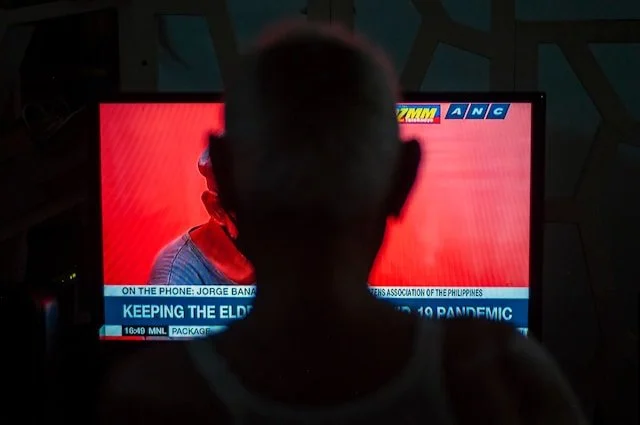
How to Cope When Traumatic News Leaves You Shaken

December 19, 2025 Annabelle Psychology

Distressing headlines can hijack your nervous system, here’s how to settle it.

Traumatic news can leave you feeling anxious, numb, or on edge, even when it happens far away. If your mind keeps replaying what you saw or read, you are not overreacting. Here are gentle ways to ground yourself, limit overwhelm, and feel steadier again.

Read more
In Guides & Tips, Trauma & Recovery Tags Stress & Burnout, Coping Strategies, Self-reflection
Comment

Understanding Erectile Dysfunction: It’s More Common Than You Think

December 15, 2025 Annabelle Psychology

Erectile dysfunction is more common than you think, and it’s treatable.

Erectile dysfunction (ED) is more common than many realise, especially with age. Far from being a sign of weakness, ED often involves a mix of physical and psychological factors. This article unpacks the causes, emotional impact, and what you can do to seek support, improve wellbeing, and restore intimacy.

Read more
In Men's Wellness Tags Stress & Burnout, Anxiety & Depression, Body Image, Coping Strategies, Identity & Self-Esteem
Comment

How Hormonal Shifts Shape Men’s Emotional Wellbeing

December 8, 2025 Annabelle Psychology

When we talk about men’s mental health, the focus is often on visible stressors like work stress, family responsibilities, financial stress, or major life transitions.

Many men feel emotionally “off” without knowing why. From low energy to irritability, these changes are often signs of shifting hormones. This article explores how testosterone and other hormones affect men’s mental health across life stages—and how understanding your body can support your emotional wellbeing.

Read more
In Men's Wellness Tags Coping Strategies, Self-reflection, Identity & Self-Esteem, Stress & Burnout
Comment

Pressure to Be Perfect: Managing Personal Work Expectations

September 29, 2025 Annabelle Psychology
woman sitting in front of her laptop with hands on her forehead looking stressed

Feeling like you're never doing enough at work? You're not alone.

When the pressure to perform perfectly becomes constant, it can lead to stress, anxiety, and burnout. This article explores five practical strategies to help you manage high personal expectations at work — from shifting your mindset to setting realistic goals and letting go of unhelpful comparisons. Learn how to stay productive without compromising your wellbeing.

Read more
In Workplace, Guides & Tips Tags Coping Strategies, Stress & Burnout, Identity & Self-Esteem, Workplace Wellbeing

Kpods: Risks, Reasons and Support That Helps

August 25, 2025 Annabelle Psychology

You may have heard worrying things about Kpods, so why would someone take such a risk?

The truth is, the answer is rarely simple. While the headlines often highlight the dangers, it’s equally important to understand the human side: why people turn to Kpods, what risks they face, and how we can respond with care 


If you are a parent concerned about your child, see our article: Kpods and Teens: A Practical Guide for Parents. 


What Are Kpods?

Kpods are vape pods laced with ketamine, a dissociative drug sometimes used in hospitals as an anaesthetic. More recently, another drug, Etomidate, has also been found in some of these laced vapes. Etomidate is a powerful anaesthetic meant for use in hospitals under strict medical supervision. Outside of that controlled setting, its effects can be unpredictable and dangerous. 

When used outside of medical supervision, the effects can be unpredictable and serious. 

Side effects include: 

  • Shaking or tremors 

  • Slurred speech and confusion 

  • Loss of balance and difficulty walking 

  • Memory blackouts or detachment from reality 

  • Damage to adrenal glands, intestines, and brain 

  • Mental health risks: depression, anxiety, panic attacks, sleep disturbances, and psychosis 

Even one-time use can be dangerous, and repeated use increases the likelihood of long-term physical and psychological harm. 

Why Do People Use Kpods?

Despite the risks, people rarely use Kpods just to “get high.” Often, substance use is a response to emotional pain or unmet needs. There’s usually more going on beneath the surface. 

  • Escaping pain or stress: Ketamine’s dissociative effect can feel like an escape from reality, while Etomidate’s sedative properties can temporarily numb emotional distress. 

  • Fitting in with peers: Peer influence and the need to “fit in” can play a big role in experimentation, especially if the risks are downplayed. 

  • Curiosity: Stories or conversations about Kpods, especially those that do not mention the risks, can spark a desire to try them “just once.” 

  • Curiosity: Stories or conversations about Kpods, especially those that do not mention the risks, can spark a desire to try them “just once.”Chasing a stronger experience: Regular vape users may be drawn to the idea of “stronger hits,” unaware of the potent and dangerous drugs inside.  

How to Support Someone Using Kpods 

If someone you care about is using Kpods or laced vapes, your response matters. Fear or frustration is natural, but support works best when it is rooted in empathy, not shame. Focus on leading the conversation with empathy and curiosity. 

What to avoid: 

  • “Just stop it.” 

  • “You’re destroying your life.” 

  • “I’ll report you if you don’t quit.” 

What to try instead: 

  • “I’ve noticed you haven’t been yourself lately. Are you okay?” 

  • “Let’s talk about what you’ve been going through. It must have been hard on you.” 

  • “I’m here to listen, not to judge.” 


These gentle openings build trust. When someone feels seen and understood, they are more likely to feel safe enough to open up. That’s when real change can begin.  

Encouraging Professional Help 

Recovery is not a straight line. It is a journey with setbacks, detours, and gradual change. But with the right support, individuals can learn to manage better and overcome addiction.  

If someone is open to it, encourage them to speak with a psychologist or addiction counsellor.  

Therapy can help with:  

  • Identifying emotional triggers 

  • Learning healthy ways to cope 

  • Rebuilding a sense of self-worth 

  • Setting goals and creating structure 

  • Reducing harm while working towards change 

If it’s an emergency: 

  • Call 995 or go  

Where to get help: 

  • NAMS Helpline: 6732 6837 

  • National Mindline: 1771 (for personal support and guidance) 

If the person is unconscious, hallucinating, or in immediate danger, call 995 or go to the nearest A&E.  

A Final Thought 

If you or someone you love is caught up in Kpod use, please remember that recovery starts with choice, not shame. This is not about being a “bad person” or a “bad friend” or “bad parent.” It’s about facing a challenge that can feel overwhelming, and finding the right help to move forward. At our clinic, we believe in meeting people where they are, with compassion and understanding, and practical strategies for change. You’re not alone in this journey. 

In Guides & Tips, Relationships & Communication Tags Coping Strategies, Stress & Burnout, Identity & Self-Esteem, Depression

Eye Movement Desensitisation and Reprocessing Therapy (EMDR)

August 11, 2025 Annabelle Psychology

EMDR is a type of therapy that supports people in healing from trauma or emotionally overwhelming experiences. Developed by psychologist Dr Francine Shapiro in the late 1980s, it is now widely recognised for its effectiveness in treating post-traumatic stress disorder (PTSD) and other challenges like anxiety, grief, and phobias.

Instead of talking through a memory in detail, EMDR focuses on helping your brain process it in a different way. During sessions, you’ll briefly bring a distressing memory to mind while engaging in bilateral stimulation, such as eye movements, tapping, or sounds, which alternates between the left and right sides of the body. This process is thought to support the brain’s natural healing, reducing the emotional charge of the memory and making space for healthier beliefs. 

How Does EMDR Work? 

When we go through something overwhelming, our brain does not always process it properly. EMDR helps the brain finish that process. With the help of a trained therapist, you gently revisit the memory while using bilateral stimulation. This combination is believed to help rewire how the memory is stored, so it feels less distressing over time. Some researchers suggest that EMDR works in a similar way to  REM sleep. That is the part of sleep where your brain naturally sorts through emotions and experiences. Over time, EMDR can reduce emotional distress, shift negative self-beliefs, and build emotional resilience. 


Who is EMDR for? 

EMDR is a great option for anyone who’s still feeling the emotional weight of something that’s happened, whether it was recent or years ago. If something is still affecting your daily life, mood or self-esteem, it might be worth exploring. EMDR is commonly used to support people with: 

  • Trauma, PTSD, and Complex PTSD (c-PTSD) (e.g., accidents, abuse, violence, natural disasters)  

  • Anxiety and Panic Attacks 

  • Phobias  

  • Depression  

  • Grief and Loss  

  • Low Self-esteem or Negative Self-beliefs 

  • Chronic Stress or Burnout 

  • Performance Anxiety (e.g., in work, sports, or the arts) 

  • Attachment and Relationship Difficulties 

A lot of people turn to EMDR when they have tried talk therapy but still feel stuck. It offers another way in, especially for experiences that feel hard to put into words. 


What happens in an EMDR Session? 

EMDR typically follows a structured process, but your therapist will go at a pace that feels right for you. Here’s a simple breakdown of what the journey could look like:  

Phase 1: History-Taking 

  • Your therapist will get to know your history, current concerns, and what you hope to achieve in therapy.   

Phase 2: Preparation 

  • In this phase, you’ll learn calming and grounding techniques to help manage any strong emotions that arise during the process.  

Phase 3: Assessment 

  • In phase 3, you will focus on a specific memory and identify a few key elements related to the memory: 

  • A vivid image that represents the memory 

  • A negative belief you hold about yourself in relation to it (e.g. “I’m not safe” or “It was my fault”) 

  • Any emotions or physical sensations that come up when you think about it 

  • You will also choose a positive belief you'd like to adopt going forward, such as “I did the best I could” or “I’m safe now.”  

Phase 4: Desensitisation and Reprocessing 

  • While focusing on the memory, you’ll engage in bilateral stimulation (such as eye movements or tapping). This helps the brain process the memory and reduce its emotional intensity. 

Phase 5: Installation  

  • During this phase, your therapist will help you strengthen a positive belief related to the memory, supporting a more adaptive perspective.   

Phase 6: Body Scan 

  • You will be asked to notice how your body feels while thinking about the memory and the positive belief. This helps identify if any physical tension or discomfort remains, as the body can hold onto stress even after the memory feels less upsetting. If discomfort remains, further EMDR processing may be done to resolve it fully. 

Phase 7: Closure and Stabilisation 

  • Each session ends with techniques to help you feel calm and grounded. You’ll also prepare to manage any feelings that arise between sessions.  

Phase 8: Re-evaluation 

  • In the following sessions, your therapist will review your progress, revisit targets if needed, and help you plan the next steps. 


So How Does EMDR Compare to Talk Therapy? 

Now that we’ve explored how EMDR works, who it may benefit, and what a typical session could look like, you might be wondering how it compares to more traditional forms of therapy. While both EMDR and talk therapy aim to support emotional healing, they differ in how they approach distressing memories and the pathways they use to promote recovery. The following comparison highlights some of the key differences between the two. 

 Curious About EMDR? 

Whether you're ready to start or just want to explore your options, we’re here to help. If there’s something in your past that still weighs on you, EMDR could be a powerful way to move forward. Feel free to get in touch with us to learn more or book a consultation. 

In Guides & Tips Tags Anxiety & Depression, Grief & Loss, Stress & Burnout, Identity & Self-Esteem

What It Means to Be a Highly Sensitive Person

June 9, 2025 Annabelle Psychology

If you’ve ever been told you’re "too sensitive" or find yourself overwhelmed in certain situations, you might identify as a Highly Sensitive Person (HSP).

Being a Highly Sensitive Person is often misunderstood. Many people who identify as highly sensitive describe feeling easily overwhelmed by noise, emotions, or the pace of daily life, yet they also notice subtleties and respond with deep empathy. This trait is not a weakness, nor is it something that needs to be fixed. Instead, it reflects a unique way of processing the world more richly and intensely.

In this article, we explore what it truly means to be a Highly Sensitive Person, how this trait shows up in everyday experiences, and how you can support yourself or your loved ones with practical, compassionate strategies. Whether you are learning about high sensitivity for the first time or hoping to understand yourself better, this guide offers clarity, reassurance, and a gentle path forward.

Read more
In Parenting & Family Tags Self-reflection, Stress & Burnout, Anxiety & Depression

Not Knowing How to Live vs Wanting to Die

May 16, 2025 Annabelle Psychology

Why are we here and where do we go after? Thinking about life and death is human.

There are times when life feels overwhelming, and the struggle is less about wanting to die and more about not knowing how to keep going. This experience is far more common than many realise, yet people often suffer in silence out of fear, shame or the belief that they should simply cope on their own.

This article gently explores the difference between feeling unable to live and wanting life to end, why these feelings arise and how support can make a meaningful difference. If you or someone you care about is facing thoughts like these, you are not alone. Understanding these emotions is a crucial first step toward safety, clarity and hope.

Read more
In Guides & Tips, Trauma & Recovery, Mental Health Challenges, Pain & Psychosomatic Pain Tags Coping Strategies, Stress & Burnout, Suicide & Crisis Support

How Sleep Affects Mental Health and Well Being

March 26, 2024 Annabelle Psychology

When someone’s in a foul mood, we might joke that they “woke up on the wrong side of the bed”. But is that all there is to sleep?

Good sleep is essential for emotional balance, concentration and overall well being. When sleep becomes irregular or disrupted, it can affect mood, stress levels and our ability to cope with daily challenges. Many people underestimate how closely sleep and mental health are connected until difficulties begin to show up in both areas.

This article explores the science behind sleep and mental health, common patterns that can disrupt rest and practical steps to build healthier sleep habits. Whether you are experiencing sleep difficulties or supporting someone who is, this guide offers clarity and gentle ways to restore more restful nights.

Read more
In Guides & Tips Tags Stress & Burnout

10 Songs about Suicide & 10 Songs to Keep Us Going

September 21, 2023 Annabelle Psychology

Music can be comforting, especially when they resonate with our pain and suffering. Countless singers and songwriters have written songs reminding us that we are not alone, even in the darkness.

We couldn’t possibly give you 10 songs about feeling alone or wanting to not be alive, and not give you another 10 songs with messages about fighting these feelings. From a variety of genres, we hope you enjoy our curated list!

Read more
In Guides & Tips, Mental Health Challenges, Pain & Psychosomatic Pain, Trauma & Recovery, Relationships & Communication Tags Stress & Burnout, Suicide & Crisis Support, Grief & Loss, Depression, Identity & Self-Esteem
Older Posts →

Annabelle Psychology

Our Purpose

Supporting communities through:
Ψ compassionate, person-centred care
Ψ ethical, science-based practice
Ψ accessible services
Ψ preventive psychology

About Us

Proudly Singaporean and Run by Women
Our Team
Our Therapeutic Spaces
Consultation Fees
Careers

Useful Information

Newsroom
Telehealth
Safety Plans
Board of Advisors

Give us Feedback

Clinical Team
Support Team

Clinical Services

Women’s Psychological Health | Couples and Family | Child Psychology
Psycho-legal Service | Psychological & Psychometric Assessments |
Employee Assistance Programme

Mental Health Concerns

Neurodevelopmental Disorders
Ψ Attention Deficit/Hyperactivity Disorder (ADHD)
Ψ Autism Spectrum Disorder
Ψ Intellectual Disability

Obsessive-Compulsive Disorders

Conduct Disorders
Ψ Conduct Disorder
Ψ Oppositional Defiant Disorder (ODD)

Paraphilic Disorders
Ψ Exhibitionistic Disorder
Ψ Fetishistic Disorder
Ψ Voyeuristic Disorder

Women’s Health
Ψ Endometriosis
Ψ Menopause transition
Ψ Miscarriage & Stillbirth
Ψ Perinatal OCD

Personality Disorders
Ψ Borderline Personality Disorder (BPD)
Ψ Narcissistic Personality Disorder (NPD)
Ψ Antisocial Personality Disorder

Abuse, Trauma and Stress Disorders
Ψ Abuse and Trauma
Ψ Acute Stress Disorder (ASD)
Ψ Adjustment Disorder
Ψ Complex PTSD
Ψ Post-Traumatic Stress Disorder (PTSD)

Anxiety & Mood Disorders
Ψ Depression
Ψ Social Anxiety Disorder
Ψ Specific Phobias
Ψ Panic Disorder
Ψ Conduct Disorders
Ψ Health Anxiety

Mental Health Resources

Ψ Articles & Guides
Ψ Coming For Therapy
Ψ Parent Hub

Therapy Reflections
The Male Loneliness Epidemic: Why More Men in Singapore Are Feeling Isolated Today
Dec 29, 2025
The Male Loneliness Epidemic: Why More Men in Singapore Are Feeling Isolated Today
Dec 29, 2025
Dec 29, 2025
Understanding Premature Ejaculation - When It Happens Too Soon
Dec 22, 2025
Understanding Premature Ejaculation - When It Happens Too Soon
Dec 22, 2025
Dec 22, 2025
How to Cope When Traumatic News Leaves You Shaken
Dec 19, 2025
How to Cope When Traumatic News Leaves You Shaken
Dec 19, 2025
Dec 19, 2025
Understanding Erectile Dysfunction: It’s More Common Than You Think
Dec 15, 2025
Understanding Erectile Dysfunction: It’s More Common Than You Think
Dec 15, 2025
Dec 15, 2025
How Hormonal Shifts Shape Men’s Emotional Wellbeing
Dec 8, 2025
How Hormonal Shifts Shape Men’s Emotional Wellbeing
Dec 8, 2025
Dec 8, 2025
Men and Body Image: Why It’s Time to Talk About It
Dec 1, 2025
Men and Body Image: Why It’s Time to Talk About It
Dec 1, 2025
Dec 1, 2025
How to Cope with Sexual Performance Anxiety
Nov 24, 2025
How to Cope with Sexual Performance Anxiety
Nov 24, 2025
Nov 24, 2025
 Body Dysmorphic Disorder (BDD): Why It’s Not Vanity
Nov 17, 2025
Body Dysmorphic Disorder (BDD): Why It’s Not Vanity
Nov 17, 2025
Nov 17, 2025
Hyperemesis Gravidarum: More Than Just Morning Sickness
Nov 10, 2025
Hyperemesis Gravidarum: More Than Just Morning Sickness
Nov 10, 2025
Nov 10, 2025
Andropause Is Real: Understanding the Emotional Toll of Low Testosterone
Nov 3, 2025
Andropause Is Real: Understanding the Emotional Toll of Low Testosterone
Nov 3, 2025
Nov 3, 2025
Body Dysmorphic Disorder (BDD): Signs, Causes and How to Get Help
Oct 27, 2025
Body Dysmorphic Disorder (BDD): Signs, Causes and How to Get Help
Oct 27, 2025
Oct 27, 2025
What to Do If Someone Calls You Manipulative
Oct 20, 2025
What to Do If Someone Calls You Manipulative
Oct 20, 2025
Oct 20, 2025
Managing Conflicts in a Relationship
Oct 13, 2025
Managing Conflicts in a Relationship
Oct 13, 2025
Oct 13, 2025
6 Practical Tips for Everyday Emotional Care
Oct 6, 2025
6 Practical Tips for Everyday Emotional Care
Oct 6, 2025
Oct 6, 2025
Pressure to Be Perfect: Managing Personal Work Expectations
Sep 29, 2025
Pressure to Be Perfect: Managing Personal Work Expectations
Sep 29, 2025
Sep 29, 2025
Living Well with Alzheimer’s: Compassion, Care and Understanding
Sep 22, 2025
Living Well with Alzheimer’s: Compassion, Care and Understanding
Sep 22, 2025
Sep 22, 2025
How to Communicate Better with Your Partner During Conflict
Sep 15, 2025
How to Communicate Better with Your Partner During Conflict
Sep 15, 2025
Sep 15, 2025
What to Text (and Not Text) When Someone Is Suicidal
Sep 8, 2025
What to Text (and Not Text) When Someone Is Suicidal
Sep 8, 2025
Sep 8, 2025
 Should We Be Worried About “AI Psychosis” Today?
Sep 1, 2025
Should We Be Worried About “AI Psychosis” Today?
Sep 1, 2025
Sep 1, 2025
Kpods: Risks, Reasons and Support That Helps
Aug 25, 2025
Kpods: Risks, Reasons and Support That Helps
Aug 25, 2025
Aug 25, 2025
The Unspoken Stress of the Sandwich Generation
Aug 18, 2025
The Unspoken Stress of the Sandwich Generation
Aug 18, 2025
Aug 18, 2025
Eye Movement Desensitisation and Reprocessing Therapy (EMDR)
Aug 11, 2025
Eye Movement Desensitisation and Reprocessing Therapy (EMDR)
Aug 11, 2025
Aug 11, 2025
PMS Myths: Busted!
Aug 4, 2025
PMS Myths: Busted!
Aug 4, 2025
Aug 4, 2025
You are Not Alone: The Role of Social Support in Mental Health Recovery
Jul 28, 2025
You are Not Alone: The Role of Social Support in Mental Health Recovery
Jul 28, 2025
Jul 28, 2025
How Childhood Trauma Shapes Adult Identity & Relationships
Jul 27, 2025
How Childhood Trauma Shapes Adult Identity & Relationships
Jul 27, 2025
Jul 27, 2025
Vaginismus: Mental Health Support & Coping Strategies
Jul 26, 2025
Vaginismus: Mental Health Support & Coping Strategies
Jul 26, 2025
Jul 26, 2025
Endometriosis: Symptoms, Impact, and How to Cope
Jul 26, 2025
Endometriosis: Symptoms, Impact, and How to Cope
Jul 26, 2025
Jul 26, 2025
Fertility Stress in Men: Causes and Coping
Jul 25, 2025
Fertility Stress in Men: Causes and Coping
Jul 25, 2025
Jul 25, 2025
Understanding Trauma Responses and How to Heal
Jul 23, 2025
Understanding Trauma Responses and How to Heal
Jul 23, 2025
Jul 23, 2025
How Sciatica Pain Affects Mood and Emotions
Jul 21, 2025
How Sciatica Pain Affects Mood and Emotions
Jul 21, 2025
Jul 21, 2025

Proudly Supporting Inclusive & Purpose-Driven Communities

Annabelle Psychology's Company of Good 1 Heart

Company of Good

SG Enable Enabling Employment Pledge

SG Enable

PAP Mental Health Group logo

PAP Mental Health Group Community Partner

——
Singapore law requires a disclosure that a psychology qualification is not a medical or dental qualification

Our psychologists are regulated under or registered with one or more of the following bodies:

Logos of SPS, AHPRA, APS and APA

Psychologists


Dr Annabelle Chow
Dr Daphne Goh
Dr Lidia Suárez
Dr Yi Ling Tay
Dr Nick Buckley
Angelin Truscott
Chen Sung Wong
Cherie Sim
Christine Kwek
Cristina Gwynn
Dawn Chia
Elysia Tan
Haanusia Raj
Hui Yu Chan
Jia Li Lim
Jiayong Lin
Kingslin Ho
Lisa Tang
Lynn Ng
Maximillian Chen
Nasriah Rizman
Shermaine Chek
Stephanie Chan
Wei Jie Soh
Weiting Zeng
Yuka Aiga
Zack Yeo

Allied Health Practitioners


Couple and Family Counsellors
Ling Ling Chiam
Wendy Yeap

Art Therapists
Mira Yoon

Speech Therapists
Anabella Seah

Occupational Therapists
Akio Lim
Sharyn Koh

Make an Appointment

Consultations

Strictly by appointment only

Operating Hours:
Monday to Saturday, 8.00 am to 6.00pm

enquiries attended from 9:00am except After Hours

Rates

Consultations after 6.00pm, or on Saturdays, Sundays, or the eve of or on Public Holidays, attract an additional fee (“After Hours“). Rates here.

Different rates apply to outcalls, couple, family, diagnostics and other services.

Contact

+65 8202 3385
appointments@apsy.sg

Novena

Annabelle Psychology (Novena)
Royal Square Medical Centre
101 Irrawaddy Road #17-12
Singapore 329565

Thomson

Annabelle Psychology (Thomson)
SLF Building
510 Thomson Road #15-03
Singapore 298135


Annabelle Psychology's Newsletter
December Newsletter: Merry or Weary?
Dec 12, 2025
December Newsletter: Merry or Weary?
Dec 12, 2025
Read More →
Dec 12, 2025
November Newsletter: Why Don't Men Talk About It?
Nov 14, 2025
November Newsletter: Why Don't Men Talk About It?
Nov 14, 2025
Read More →
Nov 14, 2025
October Newsletter: Finding Light In The Darkness
Oct 10, 2025
October Newsletter: Finding Light In The Darkness
Oct 10, 2025
Read More →
Oct 10, 2025
September Newsletter: Because You Matter
Sep 12, 2025
September Newsletter: Because You Matter
Sep 12, 2025
Read More →
Sep 12, 2025
August Newsletter: Stronger Minds, Stronger Nation
Aug 8, 2025
August Newsletter: Stronger Minds, Stronger Nation
Aug 8, 2025
Read More →
Aug 8, 2025
July Newsletter: Peeling The Pain, Revealing The Healed
Jul 11, 2025
July Newsletter: Peeling The Pain, Revealing The Healed
Jul 11, 2025
Read More →
Jul 11, 2025
June Newsletter: Frauds and Feelings
Jun 13, 2025
June Newsletter: Frauds and Feelings
Jun 13, 2025
Read More →
Jun 13, 2025
May Newsletter: Thriving, Not Surviving
May 9, 2025
May Newsletter: Thriving, Not Surviving
May 9, 2025
Read More →
May 9, 2025
April Newsletter: Stressin' Much
Apr 11, 2025
April Newsletter: Stressin' Much
Apr 11, 2025
Read More →
Apr 11, 2025
March Newsletter: Marching On As Women
Mar 14, 2025
March Newsletter: Marching On As Women
Mar 14, 2025
Read More →
Mar 14, 2025
February Newsletter: Thriving in Connection
Feb 14, 2025
February Newsletter: Thriving in Connection
Feb 14, 2025
Read More →
Feb 14, 2025
January Newsletter: Making "Happy" Happen
Jan 10, 2025
January Newsletter: Making "Happy" Happen
Jan 10, 2025
Read More →
Jan 10, 2025
December Newsletter: Wrapping Up Well
Dec 13, 2024
December Newsletter: Wrapping Up Well
Dec 13, 2024
Read More →
Dec 13, 2024
November Newsletter: Mind Over Matter
Nov 8, 2024
November Newsletter: Mind Over Matter
Nov 8, 2024
Read More →
Nov 8, 2024
October Newsletter: Thriving in Work Circles
Oct 11, 2024
October Newsletter: Thriving in Work Circles
Oct 11, 2024
Read More →
Oct 11, 2024
September Newsletter: Speaking Up
Sep 13, 2024
September Newsletter: Speaking Up
Sep 13, 2024
Read More →
Sep 13, 2024
August Newsletter: Breaking Bad Habits
Aug 9, 2024
August Newsletter: Breaking Bad Habits
Aug 9, 2024
Read More →
Aug 9, 2024
July Newsletter: The Self-Care Scoop
Jul 12, 2024
July Newsletter: The Self-Care Scoop
Jul 12, 2024
Read More →
Jul 12, 2024
June Newsletter: Pride Against Prejudice
Jun 14, 2024
June Newsletter: Pride Against Prejudice
Jun 14, 2024
Read More →
Jun 14, 2024
May Newsletter: Mothering Ourselves & Others
May 10, 2024
May Newsletter: Mothering Ourselves & Others
May 10, 2024
Read More →
May 10, 2024
April Newsletter: A Battle Against Stress
Apr 12, 2024
April Newsletter: A Battle Against Stress
Apr 12, 2024
Read More →
Apr 12, 2024
March Newsletter: Embracing Diversity
Mar 8, 2024
March Newsletter: Embracing Diversity
Mar 8, 2024
Read More →
Mar 8, 2024
February Newsletter: Let's Prosper and Conquer
Feb 9, 2024
February Newsletter: Let's Prosper and Conquer
Feb 9, 2024
Read More →
Feb 9, 2024
January Newsletter: It's Time to Start Anew
Jan 12, 2024
January Newsletter: It's Time to Start Anew
Jan 12, 2024
Read More →
Jan 12, 2024
December Newsletter: Unwrapping This Season's Woes
Dec 8, 2023
December Newsletter: Unwrapping This Season's Woes
Dec 8, 2023
Read More →
Dec 8, 2023
Edited.png
Nov 10, 2023
November Newsletter: Weathering Life's Storms
Nov 10, 2023
Read More →
Nov 10, 2023
October Newsletter: Mental Health for All
Oct 13, 2023
October Newsletter: Mental Health for All
Oct 13, 2023
Read More →
Oct 13, 2023
September Newsletter: Carrying On
Sep 8, 2023
September Newsletter: Carrying On
Sep 8, 2023
Read More →
Sep 8, 2023
August Newsletter: Here's To Looking At You(th)
Aug 11, 2023
August Newsletter: Here's To Looking At You(th)
Aug 11, 2023
Read More →
Aug 11, 2023
Annabelle Psychology’s July Newsletter: Celebrating You!
Jul 14, 2023
Annabelle Psychology’s July Newsletter: Celebrating You!
Jul 14, 2023
Read More →
Jul 14, 2023

Newsletter

Sign up with your e-mail address to receive our monthly newsletter.

Thank you for signing up for our Newsletter.

Check your e-mail for our next toasty newsletter soon!

View our Newsletter Archive here

Careers | Terms | Payment
All rights reserved © 2024