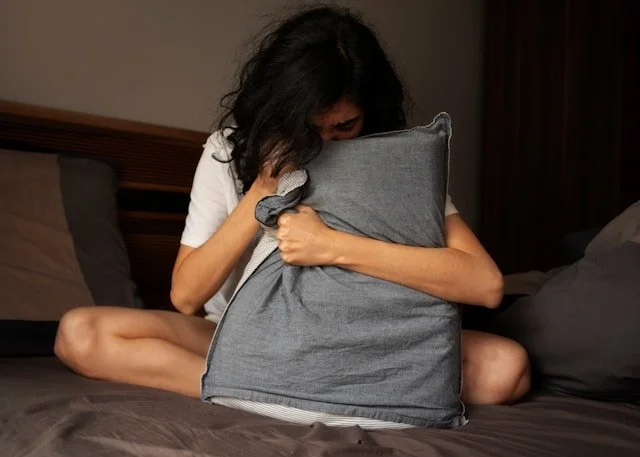
You could be sitting quietly, scrolling on your phone, or going about your day as usual, when suddenly your heart starts racing. Your chest feels tight. Breathing feels harder. Thoughts like “What’s happening to me?” or “Am I in danger?” rush in.
If this sounds familiar, you’re not alone. Many people experience panic attacks at some point in their lives, and they can be deeply frightening, especially when they happen unexpectedly.
A panic attack is a sudden wave of intense fear or discomfort that usually peaks within a few minutes. In the moment, it can feel overwhelming and out of control, even though it is actually the body’s stress system switching on too strongly.
Common symptoms include:
Fast or pounding heartbeat
Sweating
Trembling or shaking
Shortness of breath or feeling unable to breathe
Feeling of choking
Chest pain or discomfort
Nausea or stomach discomfort
Dizziness, light-headedness, or feeling unsteady
Chills or hot flushes
Numbness or tingling sensations
Feeling unreal or detached from yourself
Fear of losing control or “going crazy”
Fear of dying
Panic attacks do not only happen when someone feels anxious or stressed. They can also occur when a person feels calm or relaxed, which is why they can feel so confusing.
Some panic symptoms can feel very similar to those of a heart problem. If this is your first time experiencing these symptoms, or if they feel unusual or severe, it is important to seek medical advice to rule out any physical causes. Once physical causes have been checked and ruled out, panic attacks, although very uncomfortable, are not dangerous.
What to Do During a Panic Attack
When a panic attack starts, it is common to want it to stop immediately. However, focusing on helping your body calm down often works better. The following strategies can be practiced at home and used whenever symptoms arise.
Use Temperature
Splash cold water on your face, or
Hold a cold object, such as a cold bottle or ice wrapped in a towel
Cold sensations can help interrupt the panic response and bring your attention back to the present moment.
Ground Yourself: The 5-4-3-2-1 technique
Slowly name:
5 things you can see
4 things you can feel
3 things you can hear
2 things you can smell
1 thing you can taste
This helps shift your focus away from frightening thoughts and back to what is happening around you.
Counting backwards
Count backwards slowly in steps of 3 (for example: 100, 97, 94)
This gives your mind something neutral to focus on while your body settles.
Slow Your Breathing: 4-7-8 breathing
Breathe in through your nose for 4 seconds
Hold your breath for 7 seconds
Breathe out slowly through your mouth for 8 seconds
Repeat for a few cycles
Slow breathing helps calm the body and can reduce symptoms such as dizziness, chest tightness, and breathlessness.
Slow Your Breathing: Progressive Muscle Relaxation (Simple Version)
Gently tense one muscle group (for example, your hands) for about 5 seconds
Release and relax for 10 seconds
Move slowly to another area, such as your shoulders, legs, or feet
This helps release the physical tension that often builds up during a panic attack.
Reducing Future Panic Attacks
The techniques above help in the moment, but making small, consistent changes can reduce how often panic attacks happen over time.
Try calming activities such as yoga or pilates
Engage in regular physical exercise
Practice slow breathing daily, even when you feel calm
Limit or avoid substances that can increase physical sensations and trigger panic, such as:
Sugary foods and drinks
Caffeine
Alcohol
Smoking
Frequently Asked Questions (FAQ)
How long does a panic attack usually last?
Most panic attacks peak within a few minutes and gradually settle. Although it may feel very intense, the symptoms usually reduce on their own.
Can a panic attack harm my body?
Panic attacks are not harmful once medical causes have been ruled out. The sensations are uncomfortable but temporary.
Why do panic attacks happen even when I feel calm?
Panic attacks can occur without an obvious trigger. Sometimes the body’s alarm system becomes overly sensitive and reacts as if there is danger, even when there isn’t.
Should I try to stop a panic attack?
Trying to “fight” or force it to stop can sometimes make it feel worse. Using calming strategies and allowing the sensations to pass often helps the attack settle more quickly.
Will I always have panic attacks once they start?
With proper coping strategies, lifestyle adjustments, and support when needed, many people experience fewer and less intense panic attacks over time.
When should I seek professional help?
You may want to seek help if:
Panic attacks happen frequently
You start avoiding places or activities because of fear of panic
The symptoms interfere with work, school, or daily life