
Feeling guilty for initiating a breakup? Learn how to cope, process your emotions, and prioritise your well-being with our therapist-backed strategies.
Read moreBurnout: The Secret Ingredient
Why Some People Get Burnt Out While Others Don’t
Do you dread going to work and feel exhausted by it?
Do you think that you are unable to perform at work?
Have you become more cynical or critical at work?
If your answer to any of these questions is a “yes”, you might be experiencing burnout. These are the three dimensions characterizing burnout in an occupational context.
Burnout is not a psychological disorder, but an occupational phenomenon that negatively affects a person emotionally, physically, and mentally due to chronic workplace stress that has not been successfully managed.
Burnout affects 37% of Singaporeans in the working world. People working in high-intensity and emotionally taxing jobs, such as healthcare and law, are more susceptible to experiencing burnout. So what causes burnout to occur?
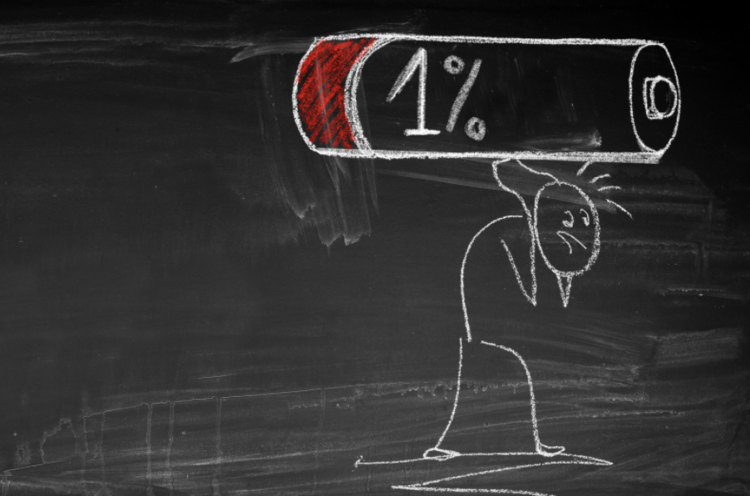
Factors that can lead to burnout:
Work-life imbalance
Perceived lack of control in job-related decisions
Dysfunctional workplace dynamic
Lack of social support from family and friends
Unrealistic expectations from higher-ups
Lack of recognition for work done
Long working hours
“I’m burnt out, so what? So is everyone else right?”
Job burnout has significant consequences on both our physical and mental health, e.g. increased vulnerability to illnesses, alcohol or substance misuse, insomnia, and depressive symptoms. Professional consequences such as job satisfaction and absenteeism may arise as well. These consequences have detrimental impacts on our lives and it ought to be taken seriously. Burnout is unlikely to resolve by itself and will only worsen if it is not addressed. It can last from weeks to even years! Therefore, we should take active steps to prevent burnout or address burnout as soon as possible and seek help whenever needed.
Everyone experiences stress at various points in our lives and we know that stress often leads to burnout. If that’s the case, why doesn’t everyone experience burnout? Why do some people get burnt out while others do not?
The secret ingredient is emotional intelligence (EI).
Emotional intelligence is the ability to control the emotions of oneself and others, to distinguish them from each other, and to apply this information to guide one’s own thinking and action. Research has shown that people with high EI tend to better cope with stress and achieve individual success, thereby preventing burnouts, while people with low EI are more likely to experience burnouts.
Understanding Burnout: The Role of Emotional Intelligence and How it Helps Prevent Burnout
1. The ability to accurately perceive, assess, and express emotions
Being self-aware of your emotions helps in understanding the sources of your feelings, attitudes, and rationales, as well as their effect on others. This will enhance your ability to seek different responses and avoid pent-up negative emotions that would lead to burnouts.
2. Using emotions to enhance cognitive processes
Changing our perspective of a situation can help relieve stress as we see a troubling issue as just a problem to solve. Directing our negative emotions such as anxiety and frustration into problem-solving mode rather than allowing the situation to affect us during and after work will prevent us from feeling stressed up constantly. The ability to think before you act in an emotional event would allow you to find suitable solutions more quickly and apply emotional resources reasonably, thus minimizing the possibility of failure.
3. The power of empathy
Empathy enables us to recognize, understand, and care about others and their emotional reactions. As we experience the world through others’ perspectives, we enhance our ability to gain trust and influence others. This means that we are likely to find the help we need when our stress level gets out of hand.
4. Regulating emotions to manage stress and preven burnout.
Adjusting our perception of the work environment and the emotional stimuli from the environment enable us to remain calm, control impulses, and behave appropriately under stress. This prevents us from acting rashly or making any impulse decisions. Some people can even regulate the intensity and duration of certain emotional experiences to accomplish what they want to achieve.
“Well, I understand that emotional intelligence is important, but what should I do to cope with burnout? What can I do to manage my emotions?”
Fret not, we’ve got some advicefor you!
Practical Tips to Manage Stress and Avoid Burnout:
Ψ Be kind to yourself: reducing self-imposed pressure
We often put immense pressure on ourselves to do better at work or to seem productive at all times, especially for those who have high expectations of themselves. Many times we overthink or become anxious for situations that have yet to come or might not even happen at all. We understand that sometimes we can't help but place high levels of stress on ourselves, especially in a society that places a great emphasis on performance and to always be prepared. However, it is equally important to treat yourself kindly. We should strive to strike a balance between performance and our well-being. Performance is important, but without you, there can be no performance. We should celebrate our small victories and milestones, not be afraid to take breaks whenever necessary and practice mindfulness when we catch ourselves overthinking or being anxious, as we continue to work hard through our journey.
Ψ Embracing mindfulness to combat burnout
Engaging in mindfulness practices is proven to reduce anxiety and relieve stress, and is increasingly used to reduce the risk of burnouts. Here is an example of a mindfulness activity that you can practice for a few minutes each day: To stay focused on your breath flow, and be fully aware of your senses and feelings at the moment. This can be hard at first, but practice makes perfect! This practice would allow us to face situations with an open mind and remain calm, fully aware of our thoughts and emotions so as to act rationally and come up with suitable solutions.
Ψ Know your limits, managing workload effectively
It is important to know how much workload you can take on just like knowing how much you can eat in a meal. You can get indigestion if you eat too much and similarly, you will suffer consequences when you overestimate your abilities. Discuss with your supervisor to reach a compromisation of work to be done and expectations to be met, or seek help if the demands are beyond your capabilities. Set goals and to-do lists based on the urgency and important matrix to avoid being overwhelmed with work all the time.
Ψ Change your perspective of the situation
Do you perceive the situation to negatively impact the things that you value? Or do you see it as just another problem to solve at work? Reevaluating your perspective to determine whether you are feeling distress or eustress can greatly influence your stress level. An issue that causes you to be stressed out at work can be seen as a challenge to improve yourself that should not bother you after work.
Ψ Seek social support to overcome burnout
Don’t hesitate to ask for help when you need it! Reach out to any of your family members, friends, or co-workers whenever you feel overwhelmed. The support you can get from them might just be what you need to pull through. If your company provides an employee assistance program, don’t be afraid to take advantage of such services. You may also wish to seek professional help with one of our clinical psychologists to help cope with your burnouts or any other issues you have affecting your mental health!
You are not alone. Annabelle Psychology is home to Care for Yourself™ - an employer-funded Employee Assistance Program. This program provides employees and managers with access to counselling and psychological services based in Singapore to help them manage personal and work-based issues. For more information, click here.
How to Practice Active Listening
How to Be A Good Listener
Are you really listening to someone?
Have your loved ones felt worse after sharing their experience with you? Or have you felt misunderstood and not heard by your loved ones after confiding in them?
These are common encounters and it is frustrating to not be able to help our loved ones feel better. So how can we prevent such situations and improve on our understanding of others? The answer is to practice active listening!
What is active listening?
Active listening is a technique of listening and responding that encourages in-depth comprehension and enhances mutual understanding. It emphasizes the importance of both nonverbal and verbal behaviours, unconditional acceptance, and unbiased reflection of the speaker’s feelings and experiences.
Active listening is commonly used in situations such as during counselling, training, getting feedbacks, and solving disputes. It is also an important part of effective communication and building trusting relationships!
The powerful benefits of being an active listener
1. Build trust and stronger bonds through active listening
Knowing that they will not be judged or interrupted when sharing, people will feel safe and comfortable to confide in you. This is very important when it comes to building trust and relationships. And when you engage in more conversations and sharing with others, you will get to know the speaker more and form a stronger and closer bond together!
2. How active listening resolves miscommunication issues
Any miscomprehension of information can be corrected and processed to prevent further misunderstanding. When we ask questions, we are gathering the information we need to solve any communication problems. We will get to clarify the intentions and true feelings of others, which may have come across to us differently.
3. The role of active listening in capturing and retaining key information
Research has shown that we can remember conversations better when we are actively contributing to the conversation. Active learning allows us to listen and participate in the conversation such that we won’t miss out on important information and can remember them better.
4. Emotional benefits of active listening
Active listening creates a sense of emotional awareness that helps the speakers feel better as the listeners acknowledge their feelings. The neutral setting and non-judgemental environment also help the speakers to keep calm and not get defensive. This also prevents them from bottling up their emotions, which will only make them feel worse and result in more problems in the future.
Now that we know the importance and impact of active listening in our day-to-day interactions, it’s time to learn about the skills involved!
Mastering active listening skills to become a better listener, for better communication
Ψ Be Present In The Conversation
Face the speaker with an open posture (e.g. arms and legs uncrossed) to show your interest in the conversation and that you are giving your full attention.
Maintain eye contact to show respect to the speaker and that you are actively listening.
Give small nods or a simple verbal comment (e.g. uh-huh/mm hmm) to encourage the speaker to continue sharing without being interruptive.
Avoid turning your attention to surrounding factors and put aside distracting thoughts!
Ψ Do not interrupt when the speaker is sharing
Allow the speaker to finish talking before asking questions or responding.
Do not prepare to counter with a rebuttal — we are not here to put down anyone or make counterarguments to determine who is right or wrong!
Have a short wait time after the speaker spoke as it will sometimes prompt him/her to add on more details that he/she is reluctant or hesitate to share previously
Ψ Be observant during conversations
Observe the speaker’s body language — is he/she showing signs of nervousness or anxiety despite saying he/she is fine?
Notice the tone of his/her voice.
Listen between the lines — what does the speaker want, how does he/she truly feel?
Ψ Clarifying questions
Does the speaker want solutions or advice from us or simply just want us to empathize with him/her?
This allows better understanding as our personal filters, assumptions, judgments, and beliefs can distort what we hear and understand.
E.g. “I don’t understand what you meant by…”, “What do you mean when you said...”, “Would you prefer if I suggest solutions or just be a listening ear?”
Ψ Rephrase or summarise what you heard
This will help you process and reflect on what you heard.
The speaker can correct you if there is any misinterpretation.
The speaker will feel heard and understood by you.
E.g. “Am I right to say that...”, “….is that what you mean?”, “Sounds like you are saying...”
Fun fact: Did you know that our short-term memory can only hold information for up to 30 seconds?
Therefore, we need to actively listen to one another to make sure there is no miscommunication and we can bring our message across accurately. It is also important to treat others in a way that you think they would appreciate or you would want them to treat you. It takes time and conscious effort to become a better listener, but with practice and love for your loved ones, you will definitely master active listening quickly!
You may also wish to seek professional help with one of our experienced clinical psychologists together with your loved ones to have an in-depth discussion on how to improve your communication skills and forge stronger relationships!
Setting Healthy Boundaries for Mental Wellbeing
Understanding Healthy Boundaries: What Are They and Why Are They Important?
Boundaries set intangible and tangible limits to life. Boundaries are essential yet often difficult to establish.
“I don’t want conflicts, it’s just easier this way.”
“Sigh, my boss asked me to OT out of nowhere, I already had plans, I wished he told me sooner.”
“I only gave in to him (intimate partner) because I’m afraid he would think that I don’t love him otherwise.”
Do these statements sound familiar?
Many times, we struggle to set boundaries in our daily lives in fear that it will cause unnecessary conflicts or it will make us look bad. As a result, we may face inconveniences; be it doing things out of our way or getting bullied into doing things we may not be 100% comfortable with.
This is fortunately very common and you’re not alone for the sole reason that we, humans, are social creatures. We place great value in the relationships around us, and sometimes in the process, may forgo ourselves and our own needs.
However, setting healthy boundaries are essential for our mental and physical health, because your needs matter too! Here are some steps to kickstart creating healthy boundaries in your life:
The Art of Enforcing Boundaries: Tips for Establishing and Maintaining Healthy Limits
1. Take a step back and think about what matters most to you
Some questions to get the ball rolling:
What is important to you?
What are your values?
What are some things that make you uncomfortable?
What are some things you have difficulty asking for?
This helps you organize your thoughts and understand what you feel strongly for, what your values are, and what your priorities are. Doing so allows you to gain a clearer idea on what boundaries you would like to put in place.
2. Be clear and precise when stating what matters to you
You want to be heard and understood with clarity. Allowing others to first understand your boundaries will reduce misunderstandings, and stop the vicious cycle of constantly feeling like your boundaries are being violated.
Here’s an example:
You may have a personal boundary of not wanting others to invade your personal space. When you fail to let this boundary be known, and get upset or angry when your personal space is being violated, others may misunderstand this as you being upset further violated your personal space with the intention to comfort you. This could result in you feeling more uncomfortable as your personal space is being violated. This can be avoided with the communication of your boundary.
You may want to attempt this with those you’re most comfortable with, such as your partner, family members, or close friends.
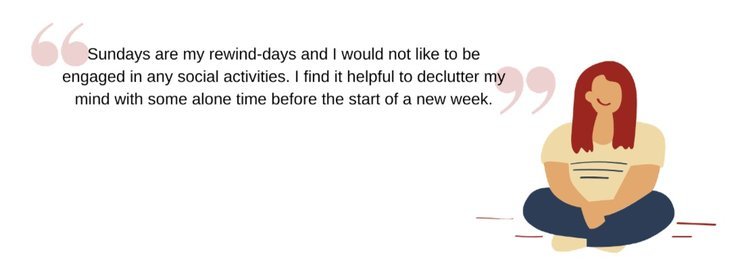
An example of being clear and precise when delivering your boundaries to others:
3. Be assertive when stating your boundaries and follow through with the consequences you’ve stated should the boundary be violated
Avoid engaging in the subsequent feelings of guilt or shame of that boundary, you may waiver in that situation. Not following through with the consequences you’ve stated will reduce the respect one has for the boundary you’ve stated.
An example of delivering your boundaries assertively:
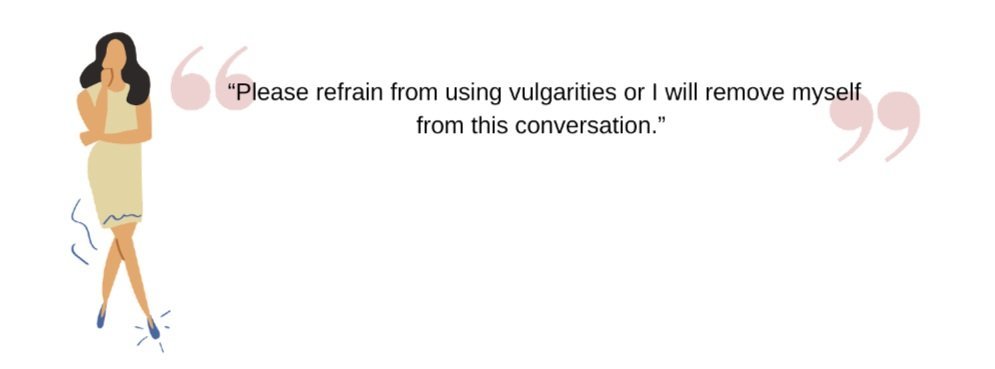
In this case, if individual still proceeds with vulgarities, leave the conversation instead of continuing to engage in the conversation.
4. Don’t be sorry or afraid when asking for help, even with the possibility of rejection
We tend to subconsciously start off a sentence with “I’m sorry but…” when asking for help. It is completely normal to ask for help, so be confident about it. Your needs are as important as other people’s needs. Asking for help does not mean you are incompetent, but rather, a task could simply require additional clarification or it could be out of your area of expertise - this happens to even the best of us.
However, there are times where help may not readily come your way when you need them. Respectfully accept the “no” just like how you would like your “no” to be respectfully accepted and find someone else who can help you.
5. Don’t be afraid to say “no”
This may be difficult for some in fear of “looking bad” or “being viewed as lazy or not a team player”. However, as much it is important to help others, it should not be done at the expense of yourself. This is in not suggesting that you be selfish or self-centered, but to respect the boundaries of your personal time, personal capabilities, and what may be out of your control.
Saying “no” can be done assertively yet respectfully.
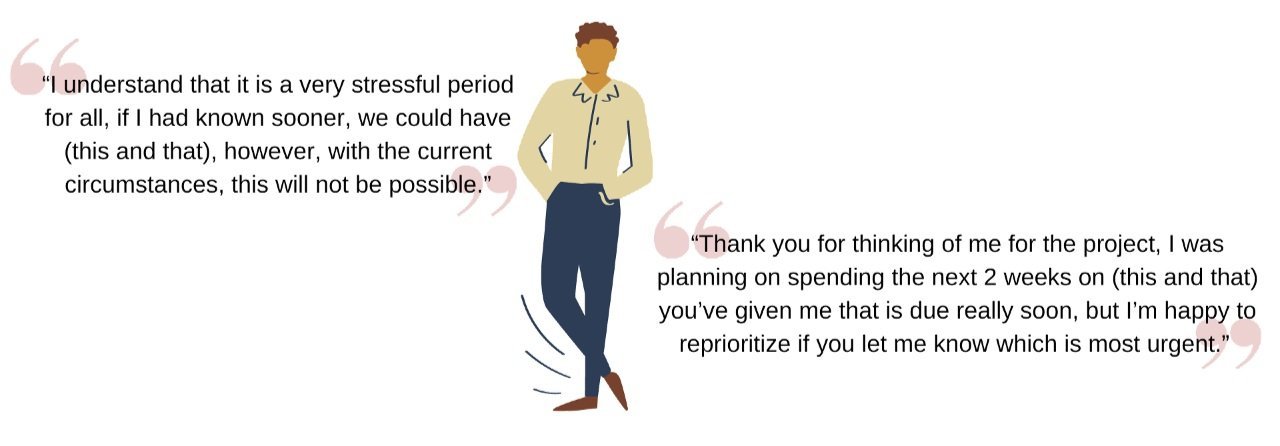
Examples of ways you can say “no” assertively yet respectfully:
6. Be in charge of your own needs
This will require you to understand what matters most to you. You know yourself best, including your needs. Avoid depending on others to meet your needs or to tell you what is best for you. Setting boundaries based on your own needs is in no way being selfish, but a form of self-love and self-care. Be fair to yourself and be mindful about putting yourself in avoidable situations that may end up being undesirable.
Establishing clear healthy boundaries may be uncomfortable for some, but remember that your needs matter too. Start off with those closest to you to build your confidence!
Struggling With Food During Festive Seasons

Coping with disordered eating during festive seasons
Festive celebrations often revolve around food — but for individuals with eating disorders, they can trigger anxiety and distress. This article explores how to navigate festive gatherings mindfully, from forming a support network and planning ahead to practising self-compassion and mindful eating. Whether you’re on your recovery journey or supporting someone who is, these strategies can help make celebrations a little easier and kinder.
Read moreIs Instagram Therapy Enough for Real Mental Health?
Is it Therapy?
Is Instagram therapy enough?
It is important to first clarify is that “Instagram therapy” is not a form of psychotherapy. In fact, it is not “therapy” at all!
What is Psychotherapy?
Psychotherapy requires committed engagement with trained psychologists who utilise evidence-based techniques and approaches to investigate a mental health concern and work with the client collaboratively to reduce or minimise the impairment or impact of the mental health concern. Therapy must be specific and customised as no two persons are completely alike; we each have unique life experiences and circumstances.
Psychotherapy vs. Instagram Therapy
This means that the content or engagement published on Instagram or Facebook should not be regarded as therapy. At best, such content should be regarded as a type of psychoeducational content.
And as with all other kinds of purported educational content, we must think about how the content is delivered and whether they are credible or helpful.
According to the internet, there are roughly 1 billion users on Instagram, 1.2 billion users on Tik Tok, and 2.9 billion users on Facebook. Social media has become a ubiquitous medium for content consumption that can be harnessed for a good cause.
But not everything you read might be applicable or useful, or worse, true.
Navigating Instagram Therapy: Differentiating Psychoeducation from Professional Help
Many users of social media use these platforms to follow or create interesting content, advance personal or professional goals, or associate with like-minded people. It should come as no surprise that content creators want to create content that users want to consume, focusing on the usual metrics of increasing likes and followers or monetising their followers. There is a ton of mental health information that is shared online every day, often by self-proclaimed experts with little experience, research, or actual clinical practice, often with the aim of gaining followers or likes.
Over time, many come to rely on these celebrity psychologists for their ‘daily dose’ and mistaking that as a connection with the psychologist on some level, or worse, regarding that content as online or group therapy.
Some say that mental health channels on social media are like self-help books: addictive, unhelpful, and designed to keep you coming back for more.
It is against this backdrop that we should analyse mental health information that we consume on the Internet.
So when you next scroll through the pages of your favourite Instagram Therapists or Psychologists, please bear these in mind:
Ψ Is the content from a reliable source?
Ψ What are the factors motivating the content creator to produce this content?
Ψ Does this person spend more time on clinical practice or on social media?
Social Media Ethics in Mental Health
It is important to note that:
Ψ Social media is not a substitute for therapy.
Reading mental health information online can help you understand or learn something about yourself, but it is not a replacement for formal therapy.
Ψ No therapy can be done over social media.
While well-meaning psychologists might create content to psychoeducate the general public, others blindly produce or reproduce material to attract likes and followers with the intention of aggressively promoting their services.
Ψ Social media should not be relied upon during a crisis.
Mental health content should be viewed purely for what they are – generic, non-specific and informational in nature that serves a vital psychoeducational purpose within the community.
Because non-mental health professionals are very likely the target audience of such psychoeducational material, it must go without saying that psychologists and other mental health professionals should abide by regulatory, professional, and ethical guidelines when dispensing mental health information whether on online or during clinical practice.
Psychology on Social Media: A Tool for Destigmatizing Mental Health Issues
When presented responsibly, psychologists on social media help to break the stigma associated with mental health. They break down complex mental health conditions into digestible bite chunks for any person with a smart device to consume. They explain difficult psychological disorders and concepts with infographics, animation, and beautiful pictures. The amount of useful information that is put out by some of these professionals who have dedicated years of their lives to acquire their knowledge and expertise is staggering.
And of course, some are visually beautiful presented and simply a delight to consume.
Keep calm and scroll on!
Dealing with Work Stress and Preventing Burnout
Work stress is common, and in small doses it can even be motivating. But when stress becomes constant or starts affecting sleep, mood, or daily functioning, it helps to respond early. This guide explores common sources of work stress and offers practical strategies, from speaking with your manager and leaning on support, to setting clearer boundaries, taking restorative breaks, and reframing unhelpful thinking patterns. If stress feels overwhelming, professional support can help you regain steadiness and prevent burnout.
Read moreHow to Forgive Someone Who Hurt You Deeply

How do I forgive someone when they have brought me so much hurt?
Forgiving someone who hurt you can feel impossible, especially when the pain still feels fresh or the other person is not remorseful. This guide reframes forgiveness as an active choice to release yourself from resentment, without excusing what happened or reopening the door to harm. Using an Acceptance and Commitment Therapy (ACT) approach, it explores how to sit with difficult emotions, loosen your grip on painful thoughts, reconnect with the present, and clarify the values you want to live by. The aim is not to erase the past, but to help you reclaim emotional space, set healthier boundaries, and move forward with more freedom and self-respect.
Read moreSupporting a Person Whose Friend or Family Completed Suicide

How do I help someone who lost a friend or family to suicide?
In 2019, 400 lives were lost to suicide in Singapore, and suicide is the leading cause of death for those aged between 10 – 29 years old.
There are at least 2 sides to every suicide: The person who took his or her life, and those left to grieve.
It can be challenging to support someone who has lost a family or friend to suicide. What should I say? What if I say something that only makes them feel worse? Should I even say anything? These worries are perfectly understandable. After all, many people struggle to talk about suicide. While we may feel awkward or uncomfortable when talking about suicide, this should not stop us from showing support and offering assistance.
While it may be challenging, your support can make a real difference in helping a person through their loss.
Supporting Those Affected by Suicide Loss: A Guide for Compassionate Responses
Here are 3 key areas that that we will cover below that will guide you in your efforts to support someone who has lost a friend or family member to suicide: Being a good listener, the do’s and don’ts of what to say, and warning signs to look out for.
How do I be a good listener to a grieving person?
One of the most helpful things you can do for a grieving person is to simply lend a listening ear. This means to sit with him/her and listen to their feelings in a non-judgemental manner without imposing your personal opinions. Do not try to problem solve either.
ACTIVE LISTENING is a great way of doing so!
While our conversation partner is still speaking, we often get caught up in trying to formulate our response. A consequence of this is that we end up failing to fully grasp and understand what the other person is trying to convey. Instead of trying to find the right words, it is more important to let the grieving person express themselves and share with you the nature of the loss. Here are some useful tips on being a good active listener to a grieving person:
Accept all feelings. Let him/her know that is okay for them to cry in front of you, break down, scream, or even laugh. They may be struggling with a whole array of new and even conflicting emotions like guilt, despair, blame, anger, and regret. These can be uncomfortable emotions, but it is better to let them out rather than bottling it up. Accept the emotions that they are experiencing and know that it will pass. There is no correct way to feel about loss. Ultimately, the person should feel free to express their feelings in a space that is free of judgement, argument, or criticism.
Silence is okay. Be prepared for moments of awkward silences. Do not force the person to speak if they are not ready to. Instead, be willing to be present and show that you are ready to listen when they are ready to speak.
Offer comfort without minimizing or trivializing the loss. Statements such as “It could be worse” do not help. Do not give unsolicited advice, claim to know what the person is feeling, or compare your grief with theirs. Such words are rarely helpful. Instead, let the person know that what they are feeling is okay and that it is a normal reaction to the situation.
What should I say to a grieving person?
Acknowledge the situation and check in on how the grieving person is feeling. Do not assume to know or understand how the person is feeling. Assumptions often worsen the situation as they invalidate a person’s intense emotions. Instead, start off by acknowledging the situation so the person knows that you are willing to openly discuss the loss they have experienced. Next, give them the opportunity to express their feelings. For example, “I heard that ___ died by suicide. I’m sorry to hear this happened and I’m here when you need me. How are you feeling?”
Reflecting and paraphrasing. This is a really useful way to show the grieving person that you are hearing their story! It helps to foster a better empathetic connection, which makes the person more comfortable in continuing to share their thoughts and emotions with you. For example, the person might say “I don’t even know where to start, everything feels terrible.” In response, consider saying something along the lines of “It sounds like you feel very overwhelmed and upset, this situation is taking an emotional toll on you.” See how you would be reflecting their underlying emotions back to them?
Do not use cliches or platitudes to comfort. We often feel compelled to comfort the grieving person by saying things such as “time will heal” and “they are in a better place now”. While it comes from a place of good intentions, such words can minimize the depth of the person’s pain, leaving them feeling misunderstood and more isolated. Instead, check on how they’ve coped so far and explore what resources they've tried so far.

Samaritans of Singapore Hotline: 1800 221 4444
Institute of Mental Health’s Helpline: 6389 2222
Singapore Association of Mental Health Helpline: 1800 283 7019
You can also find a list of international helplines here.
Keep an eye out for warning signs
It is not uncommon for a grieving person to feel depressed, angry, or disconnected from others. These emotions usually decrease in intensity over time. However, it might be indicative of a bigger cause for concern if the intense emotions don’t subside over time and the person does not appear to be capable of coping with the overwhelming emotions on a day-to-day basis. They may also display significant distress or impairment in social, occupational, interpersonal, or other important areas of functioning. Here are some other warning signs to look out for:
Extreme focus on the death
Talking about wanting to escape the pain / statements indicating they are considering ending their life
Withdrawal from others
Diminished experience pleasure from the things they used to enjoy
Feelings of hopelessness
A lack of concern for personal welfare or hygiene
Excessive consumption of alcohol or other substances
Trouble sleeping
If you are concerned about a person in distress, it can be helpful to recommend that they see a psychologist. Let them know that it’s absolutely alright to seek out other additional help they may require.
Remember, everyone’s healing process is different, and healing takes time.
Sometimes, lots of time.
Grief after losing someone to suicide can feel like a rollercoaster, but with support (from someone like yourself!), the ride can become significantly less scary.
Recognising Suicide Risk, Protecting Human Lives

What are the signs associated with suicide risk?
Recognising suicide risk early can save lives. Suicide remains a leading cause of death among young people in Singapore, and understanding the warning signs is an important first step in offering meaningful support. From verbal cues and behavioural changes to stressful life events and health conditions, this guide explains the key indicators to look out for and offers practical ways to approach, listen and assist someone who may be struggling. You do not need to be a professional to make a difference — compassion, awareness and timely help can protect lives.
Read more