
Self-Love, Not Narcissism: A Guide to Inner Growth

Self-love, or even love itself, is hard to define. There is no universal definition, and we probably define and experience self-love differently. How you achieve self-love is also unique! One way to understand self-love is from a psychological standpoint, where self-love refers to an authentic appreciation for yourself.

Self-love vs. Narcissism: What is the Difference?

We generally associate narcissism with a significant level of perceived self-appreciation. While narcissistic tendencies are typically observed during interpersonal interactions, practising self-love can be a private and internal process that is unobservable to others. The primary goal with self-love is to develop a positive self-concept. Whereas with narcissism, the goal might be to gain external admiration or regard. Another defining feature of narcissism is the perceived lack of awareness or care for others’ thoughts and feelings. Comparatively, a person who is self-loving can still be caring and compassionate. 

How to Avoid Narcissism While Practicing Self-Love: The Mediating Role of Humility, Kindness and Forgiveness

To avoid becoming narcissistic, routinely remind yourself of personal core values like humility, kindness, or forgiveness. Additionally, keep in mind the type of person you aspire to be and aim to mould yourself into that person. Your values will help prevent any grandiosity or inflated self-esteem. 

You might not be aware of it, but you may already be practising some acts of self-love. These acts demonstrate a sincere appreciation or recognition for yourself or something you did. For example, patting yourself on the back when setting boundaries, forgiving yourself when you fail to accomplish a task or even just challenging thoughts of self-doubt.

Is self-love really necessary? When do I need to start incorporating self-love practices in my routine?

There are certain times in life when practising self-love could be an important coping strategy for your mental well-being. This is particularly so when your inner critic is being overly harsh, in need of a mood booster, or if you are struggling with your self-esteem. When your internal dialogue is critical and negative, practising some self-love could help lift your spirits.

Psychological tips on increasing self-love:

Ψ Identify unhelpful self-judgment

Unhelpful habits refer to excessive, unsustainable or even counterintuitive patterns of thought or behaviour. Some criticism is commonly believed to be motivation to work harder or do better, but it is imperative to stop yourself from going too far. Excessive or disproportionate criticism and self-judgement can pave the way to unhealthy cognitive distortions, or even lead to self-loathing.

The first step towards self-love is to recognise when you are being too self-critical. When you call yourself a failure, belittle yourself or beat yourself up over mistakes, catch yourself in these moments and just pause. Are you being too harsh on yourself? If your friend behaved similarly, would you feel the same way about them as you do about yourself now? Are you catastrophizing? Is the criticism an honest representation of who you are? These are some questions to ask yourself to combat self-judgment.

Ψ Mindfulness to foster self-love

Another alternative to hitting pause on self-criticism would be mindfulness. Practising mindfulness regularly could potentially change unforgiving internal dialogue to be more nonjudgmental and curious. Mindfulness teaches you to be more fully present at any given moment. It guides you in approaching your internal or external experiences with curiosity and openness. You learn to just notice, rather than react. For some guided mindfulness practices curated by our own psychologists, click here

Ψ Cultivating self-compassion for greater self-love

Can you truly love yourself without some self-compassion? The point here is not to debate which is more vital, but rather to emphasise the connection betwee self-compassion and self-love. When you are kind to yourself, you let go of shortcomings. You may not be truly appreciative, but you learn to accept and forgive failures rather than holding grudges with yourself. This is a step closer to growing appreciation for yourself, even if you cannot see it yet. Some common self-compassion practices to boost self-love include loving kindness practices, curated mantras with self-affirmations, guided meditation exercises and keeping a self-compassion journal.
 

Ψ Discovering your core values to enhance self-love

Learning more about yourself and the personal values that you cherish can increase some self-appreciation, especially when you behave or make decisions in line with your values. There are surveys online like the values in action (VIA) survey which can aid you in identifying your core values. Hence, discovering your core values can help to enhance self-appreciation.

Another way of learning your strengths or core values is to just ask your loved ones. Those who are closest to you may understand you more than you think, and you may discover sides of yourself you never knew existed.

Combating negative self-talk for better wellbeing

Knowing how to love ourselves and be appreciative can be hard, especially in competitive environments that constantly compare us to others. Overtime, we may have learnt to internalise words of those around us, even when they do not necessarily have our best interests at heart. To combat this, forming a healthy internal dialogue and relationship with ourselves is essential to support our well-being. Hopefully, the tips above would guide you and eventually lead you to develop some genuine self-love.

Self-forgiveness

We are human, after all


The Importance of Self-Forgiveness for Mental Well-Being

Have you ever felt guilty about something you have done in the past? You may have offended someone or hurt their feelings, made bad decisions that harmed others, or did something you knew was wrong.

Oftentimes, when we feel guilty, we may end up engaging in self-defeating behaviors, such as believing we are not worthy of love or trust, lowered self esteem or in some cases even develop affective disorders. Ruminating on feelings of guilt, anger and shame can have negative consequences on one’s mental and physical health.

Understanding why guilt and shame affect us

Feelings of guilt, anger, and shame can be very intense, which causes the nervous system to be on high alert, pumping high levels of adrenaline into our body. Sustained surges of adrenaline over an extend period of time can lead to psychological disorders such as anxiety or depression. It may also manifest in physical symptoms, such as panic attacks, chest pains, headaches, muscle tension, stomach or digestive problems.

In order to manage these negative feelings, self-forgiveness is crucial to maintaining our psychological and physical well being. But first…

What is self-forgiveness?

Self-forgiveness a positive attitudinal shift in feelings, actions and beliefs about self, following a self-perceived wrongdoing committed by the self.

However, forgiveness is not a straightforward or easy task, so what are some steps we could take?


Steps to Manage Negative Feelings Through Self-Forgiveness

Ψ Accepting Responsibility: The First Step to Self-Forgiveness


The first step is accepting responsibility. If you find yourself making excuses, rationalising or justifying your behaviour in order to make them seem more acceptable, it may be time to accept responsibility. This may include taking responsibility for the hurt you may have caused others, or actions you may have taken that you regret.

Accepting responsibility is not the same as forgetting or moving on as if nothing happened, neither is it the same as punishing yourself for your bad decisions and wallowing in shame. Accepting responsibility is about accepting what happened and showing compassion to yourself. Self-compassion means treating your self-worth as unconditional, that is giving yourself the love, care and concern you need whenever you’re going through a tough time.

It is important to understand that we are not perfect, and to be tolerant of our shortcomings because we are all human.

Ψ Understanding Guilt


Guilt is important and normal.
Feeling bad about something bad we did is natural and can even helpful at times. For instance, guilt serves as motivation for us to do better next time. However, shame, which involves negative feelings about self such as feelings of worthlessness, is often associated with defensive strategies such as avoidance, denial or even physical violence. Shame may cause you to feel like you’re a bad person at the core, undermining your efforts to self-improvement or self-forgiveness. Shame-based thinking is a core belief that colors our world-view, and perpetuates self-defeating thoughts. One way we can break free from this negative pattern is by challenging your shame-based thoughts.

Some questions you can ask yourself are:

  • How do I know it’s true?

  • What proof do I have that supports this claim?

  • What experiences do I have that show that this belief is not completely true all the time?

  • Is this thought helpful or hurtful?

Guilt, on the other hand, may help us realise that our actions were bad, but that doesn’t make you a bad person. Therefore expressing remorse is an important step in making amends.


Ψ Restoring Trust: Actions to Move Past Guilt

One way to move past your guilt is by taking actions to restore the trust lost. This is not only important when it comes to forgiveness to others, but also to yourself. Making amends to the self is about taking concrete actions to right the wrong (whether it be to others or yourself). One way we could do that is by apologizing to the party we have hurt. For an apology to be sincere, it has to:

  1. Acknowledge the hurt caused

  2. Admit that your actions were wrong

  3. Explain why you regret it

  4. Describe what you would have done differently in the future so that it does not happen again


Navigating the Journey of Self-Forgiveness

It is important to be able to recognise when you should take responsibility, versus when things are beyond your control. We should be mindful to not over attribute blame on ourselves in situations we have no control of, especially in cases of abuse, trauma or loss. Lastly, if you find yourself struggling to forgive yourself, individual counseling may help.

Remember: Bad Actions Don’t Make You a Bad Person

it merely means that you made some bad choices.

Self-forgiveness does not have a one size fits all approach, and is different for everyone.

Self-forgiveness is not easy and we may slip up at times. And that’s okay, that’s normal. Try not to beat yourself up about it. Progress is not linear nor will everything go smoothly during the first try – so try again.  So have empathy for yourself, and work towards being a better person one step at a time!

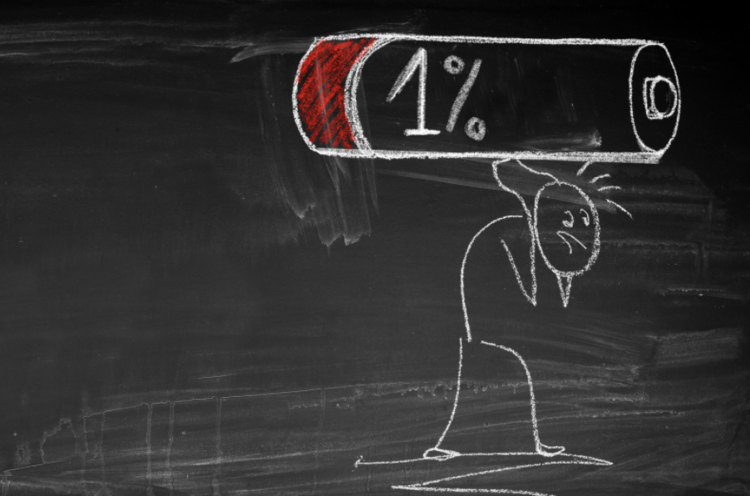
Burnout: The Secret Ingredient

Why Some People Get Burnt Out While Others Don’t

Do you dread going to work and feel exhausted by it?
Do you think that you are unable to perform at work?
Have you become more cynical or critical at work? 

If your answer to any of these questions is a “yes”, you might be experiencing burnout. These are the three dimensions characterizing burnout in an occupational context.

Burnout is not a psychological disorder, but an occupational phenomenon that negatively affects a person emotionally, physically, and mentally due to chronic workplace stress that has not been successfully managed.

Burnout affects 37% of Singaporeans in the working world. People working in high-intensity and emotionally taxing jobs, such as healthcare and law, are more susceptible to experiencing burnout. So what causes burnout to occur? 

Factors that can lead to burnout:

  • Work-life imbalance  

  • Perceived lack of control in job-related decisions 

  • Dysfunctional workplace dynamic  

  • Lack of social support from family and friends 

  • Unrealistic expectations from higher-ups 

  • Lack of recognition for work done 

  • Long working hours  

“I’m burnt out, so what? So is everyone else right?”

Job burnout has significant consequences on both our physical and mental health, e.g. increased vulnerability to illnesses, alcohol or substance misuse, insomnia, and depressive symptoms. Professional consequences such as job satisfaction and absenteeism may arise as well. These consequences have detrimental impacts on our lives and it ought to be taken seriously. Burnout is unlikely to resolve by itself and will only worsen if it is not addressed. It can last from weeks to even years! Therefore, we should take active steps to prevent burnout or address burnout as soon as possible and seek help whenever needed.

Everyone experiences stress at various points in our lives and we know that stress often leads to burnout. If that’s the case, why doesn’t everyone experience burnout? Why do some people get burnt out while others do not?

The secret ingredient is emotional intelligence (EI).


Emotional intelligence is the ability to control the emotions of oneself and others, to distinguish them from each other, and to apply this information to guide one’s own thinking and action. Research has shown that people with high EI tend to better cope with stress and achieve individual success, thereby preventing burnouts, while people with low EI are more likely to experience burnouts.

Understanding Burnout: The Role of Emotional Intelligence and How it Helps Prevent Burnout

1. The ability to accurately perceive, assess, and express emotions 

Being self-aware of your emotions helps in understanding the sources of your feelings, attitudes, and rationales, as well as their effect on others. This will enhance your ability to seek different responses and avoid pent-up negative emotions that would lead to burnouts.  

2. Using emotions to enhance cognitive processes

Changing our perspective of a situation can help relieve stress as we see a troubling issue as just a problem to solve. Directing our negative emotions such as anxiety and frustration into problem-solving mode rather than allowing the situation to affect us during and after work will prevent us from feeling stressed up constantly. The ability to think before you act in an emotional event would allow you to find suitable solutions more quickly and apply emotional resources reasonably, thus minimizing the possibility of failure. 

3. The power of empathy 

Empathy enables us to recognize, understand, and care about others and their emotional reactions. As we experience the world through others’ perspectives, we enhance our ability to gain trust and influence others. This means that we are likely to find the help we need when our stress level gets out of hand.

4. Regulating emotions to manage stress and preven burnout.

Adjusting our perception of the work environment and the emotional stimuli from the environment enable us to remain calm, control impulses, and behave appropriately under stress. This prevents us from acting rashly or making any impulse decisions. Some people can even regulate the intensity and duration of certain emotional experiences to accomplish what they want to achieve.

Well, I understand that emotional intelligence is important, but what should I do to cope with burnout? What can I do to manage my emotions?

Fret not, we’ve got some advicefor you!

Practical Tips to Manage Stress and Avoid Burnout:

Ψ Be kind to yourself: reducing self-imposed pressure

We often put immense pressure on ourselves to do better at work or to seem productive at all times, especially for those who have high expectations of themselves. Many times we overthink or become anxious for situations that have yet to come or might not even happen at all. We understand that sometimes we can't help but place high levels of stress on ourselves, especially in a society that places a great emphasis on performance and to always be prepared. However, it is equally important to treat yourself kindly. We should strive to strike a balance between performance and our well-being. Performance is important, but without you, there can be no performance. We should celebrate our small victories and milestones, not be afraid to take breaks whenever necessary and practice mindfulness when we catch ourselves overthinking or being anxious, as we continue to work hard through our journey. 

Ψ Embracing mindfulness to combat burnout

Engaging in mindfulness practices is proven to reduce anxiety and relieve stress, and is increasingly used to reduce the risk of burnouts. Here is an example of a mindfulness activity that you can practice for a few minutes each day: To stay focused on your breath flow, and be fully aware of your senses and feelings at the moment. This can be hard at first, but practice makes perfect! This practice would allow us to face situations with an open mind and remain calm, fully aware of our thoughts and emotions so as to act rationally and come up with suitable solutions.

Ψ Know your limits, managing workload effectively

It is important to know how much workload you can take on just like knowing how much you can eat in a meal. You can get indigestion if you eat too much and similarly, you will suffer consequences when you overestimate your abilities. Discuss with your supervisor to reach a compromisation of work to be done and expectations to be met, or seek help if the demands are beyond your capabilities. Set goals and to-do lists based on the urgency and important matrix to avoid being overwhelmed with work all the time.  

Ψ Change your perspective of the situation

Do you perceive the situation to negatively impact the things that you value? Or do you see it as just another problem to solve at work? Reevaluating your perspective to determine whether you are feeling distress or eustress can greatly influence your stress level. An issue that causes you to be stressed out at work can be seen as a challenge to improve yourself that should not bother you after work. 

Ψ Seek social support to overcome burnout

Don’t hesitate to ask for help when you need it! Reach out to any of your family members, friends, or co-workers whenever you feel overwhelmed. The support you can get from them might just be what you need to pull through. If your company provides an employee assistance program, don’t be afraid to take advantage of such services. You may also wish to seek professional help with one of our clinical psychologists to help cope with your burnouts or any other issues you have affecting your mental health!

You are not alone. Annabelle Psychology is home to Care for Yourself™ - an employer-funded Employee Assistance Program. This program provides employees and managers with access to counselling and psychological services based in Singapore to help them manage personal and work-based issues. For more information, click here.

How to Practice Active Listening

How to Be A Good Listener

Are you really listening to someone?

Have your loved ones felt worse after sharing their experience with you? Or have you felt misunderstood and not heard by your loved ones after confiding in them?

These are common encounters and it is frustrating to not be able to help our loved ones feel better. So how can we prevent such situations and improve on our understanding of others? The answer is to practice active listening

What is active listening?

Active listening is a technique of listening and responding that encourages in-depth comprehension and enhances mutual understanding. It emphasizes the importance of both nonverbal and verbal behaviours, unconditional acceptance, and unbiased reflection of the speaker’s feelings and experiences.

Active listening is commonly used in situations such as during counselling, training, getting feedbacks, and solving disputes. It is also an important part of effective communication and building trusting relationships! 

The powerful benefits of being an active listener

1. Build trust and stronger bonds through active listening 

Knowing that they will not be judged or interrupted when sharing, people will feel safe and comfortable to confide in you. This is very important when it comes to building trust and relationships. And when you engage in more conversations and sharing with others, you will get to know the speaker more and form a stronger and closer bond together! 

2. How active listening resolves miscommunication issues  

Any miscomprehension of information can be corrected and processed to prevent further misunderstanding. When we ask questions, we are gathering the information we need to solve any communication problems. We will get to clarify the intentions and true feelings of others, which may have come across to us differently.   

3. The role of active listening in capturing and retaining key information 

Research has shown that we can remember conversations better when we are actively contributing to the conversation. Active learning allows us to listen and participate in the conversation such that we won’t miss out on important information and can remember them better.    

4. Emotional benefits of active listening 

Active listening creates a sense of emotional awareness that helps the speakers feel better as the listeners acknowledge their feelings. The neutral setting and non-judgemental environment also help the speakers to keep calm and not get defensive. This also prevents them from bottling up their emotions, which will only make them feel worse and result in more problems in the future.

Now that we know the importance and impact of active listening in our day-to-day interactions, it’s time to learn about the skills involved! 

Mastering active listening skills to become a better listener, for better communication 

Ψ Be Present In The Conversation 

  • Face the speaker with an open posture (e.g. arms and legs uncrossed) to show your interest in the conversation and that you are giving your full attention. 

  • Maintain eye contact to show respect to the speaker and that you are actively listening.  

  • Give small nods or a simple verbal comment (e.g. uh-huh/mm hmm) to encourage the speaker to continue sharing without being interruptive.  

  • Avoid turning your attention to surrounding factors and put aside distracting thoughts! 
     

Ψ Do not interrupt when the speaker is sharing 

  • Allow the speaker to finish talking before asking questions or responding. 

  • Do not prepare to counter with a rebuttal — we are not here to put down anyone or make counterarguments to determine who is right or wrong!  

  • Have a short wait time after the speaker spoke as it will sometimes prompt him/her to add on more details that he/she is reluctant or hesitate to share previously  

Ψ Be observant during conversations  

  • Observe the speaker’s body language — is he/she showing signs of nervousness or anxiety despite saying he/she is fine?   

  • Notice the tone of his/her voice.  

  • Listen between the lines — what does the speaker want, how does he/she truly feel? 

Ψ Clarifying questions 

  • Does the speaker want solutions or advice from us or simply just want us to empathize with him/her? 

  • This allows better understanding as our personal filters, assumptions, judgments, and beliefs can distort what we hear and understand.  

  • E.g. “I don’t understand what you meant by…”, “What do you mean when you said...”, “Would you prefer if I suggest solutions or just be a listening ear?
     

Ψ Rephrase or summarise what you heard 

  • This will help you process and reflect on what you heard. 

  • The speaker can correct you if there is any misinterpretation. 

  • The speaker will feel heard and understood by you. 

  • E.g. “Am I right to say that...”, “….is that what you mean?”, “Sounds like you are saying...” 


Fun fact: Did you know that our short-term memory can only hold information for up to 30 seconds?

Therefore, we need to actively listen to one another to make sure there is no miscommunication and we can bring our message across accurately. It is also important to treat others in a way that you think they would appreciate or you would want them to treat you. It takes time and conscious effort to become a better listener, but with practice and love for your loved ones, you will definitely master active listening quickly! 

You may also wish to seek professional help with one of our experienced clinical psychologists together with your loved ones to have an in-depth discussion on how to improve your communication skills and forge stronger relationships! 

Setting Healthy Boundaries for Mental Wellbeing

Understanding Healthy Boundaries: What Are They and Why Are They Important?

Boundaries set intangible and tangible limits to life. Boundaries are essential yet often difficult to establish.  

“I don’t want conflicts, it’s just easier this way.” 

“Sigh, my boss asked me to OT out of nowhere, I already had plans, I wished he told me sooner.” 

“I only gave in to him (intimate partner) because I’m afraid he would think that I don’t love him otherwise.” 

Do these statements sound familiar?

Many times, we struggle to set boundaries in our daily lives in fear that it will cause unnecessary conflicts or it will make us look bad. As a result, we may face inconveniences; be it doing things out of our way or getting bullied into doing things we may not be 100% comfortable with.

This is fortunately very common and you’re not alone for the sole reason that we, humans, are social creatures. We place great value in the relationships around us, and sometimes in the process, may forgo ourselves and our own needs.

However, setting healthy boundaries are essential for our mental and physical health, because your needs matter too! Here are some steps to kickstart creating healthy boundaries in your life:

The Art of Enforcing Boundaries: Tips for Establishing and Maintaining Healthy Limits

1. Take a step back and think about what matters most to you 

Some questions to get the ball rolling: 

  1. What is important to you?  

  2. What are your values?  

  3. What are some things that make you uncomfortable?

  4. What are some things you have difficulty asking for?  

This helps you organize your thoughts and understand what you feel strongly for, what your values are, and what your priorities are. Doing so allows you to gain a clearer idea on what boundaries you would like to put in place.  

2. Be clear and precise when stating what matters to you 

You want to be heard and understood with clarity. Allowing others to first understand your boundaries will reduce misunderstandings, and stop the vicious cycle of constantly feeling like your boundaries are being violated. 

Here’s an example:

You may have a personal boundary of not wanting others to invade your personal space. When you fail to let this boundary be known, and get upset or angry when your personal space is being violated, others may misunderstand this as you being upset further violated your personal space with the intention to comfort you. This could result in you feeling more uncomfortable as your personal space is being violated. This can be avoided with the communication of your boundary. 

You may want to attempt this with those you’re most comfortable with, such as your partner, family members, or close friends. 

An example of being clear and precise when delivering your boundaries to others:  


3. Be assertive when stating your boundaries and follow through with the consequences you’ve stated should the boundary be violated 

Avoid engaging in the subsequent feelings of guilt or shame of that boundary, you may waiver in that situation. Not following through with the consequences you’ve stated will reduce the respect one has for the boundary you’ve stated. 

An example of delivering your boundaries assertively:  


In this case, if individual still proceeds with vulgarities, leave the conversation instead of continuing to engage in the conversation.

4. Don’t be sorry or afraid when asking for help, even with the possibility of rejection  

We tend to subconsciously start off a sentence with “I’m sorry but…” when asking for help. It is completely normal to ask for help, so be confident about it. Your needs are as important as other people’s needs. Asking for help does not mean you are incompetent, but rather, a task could simply require additional clarification or it could be out of your area of expertise - this happens to even the best of us.

However, there are times where help may not readily come your way when you need them. Respectfully accept the “no” just like how you would like your “no” to be respectfully accepted and find someone else who can help you.

5. Don’t be afraid to say “no” 

This may be difficult for some in fear of “looking bad” or “being viewed as lazy or not a team player”. However, as much it is important to help others, it should not be done at the expense of yourself. This is in not suggesting that you be selfish or self-centered, but to respect the boundaries of your personal time, personal capabilities, and what may be out of your control.   

Saying “no” can be done assertively yet respectfully.  

Examples of ways you can say “no” assertively yet respectfully:  


6. Be in charge of your own needs  

This will require you to understand what matters most to you. You know yourself best, including your needs. Avoid depending on others to meet your needs or to tell you what is best for you. Setting boundaries based on your own needs is in no way being selfish, but a form of self-love and self-care. Be fair to yourself and be mindful about putting yourself in avoidable situations that may end up being undesirable.   

Establishing clear healthy boundaries may be uncomfortable for some, but remember that your needs matter too. Start off with those closest to you to build your confidence! 

Is Instagram Therapy Enough for Real Mental Health?

Is it Therapy?

Is Instagram therapy enough?

It is important to first clarify is that “Instagram therapy” is not a form of psychotherapy. In fact, it is not “therapy” at all!

What is Psychotherapy?

Psychotherapy requires committed engagement with trained psychologists who utilise evidence-based techniques and approaches to investigate a mental health concern and work with the client collaboratively to reduce or minimise the impairment or impact of the mental health concern. Therapy must be specific and customised as no two persons are completely alike; we each have unique life experiences and circumstances.

Psychotherapy vs. Instagram Therapy

This means that the content or engagement published on Instagram or Facebook should not be regarded as therapy. At best, such content should be regarded as a type of psychoeducational content.

And as with all other kinds of purported educational content, we must think about how the content is delivered and whether they are credible or helpful.

According to the internet, there are roughly 1 billion users on Instagram, 1.2 billion users on Tik Tok, and 2.9 billion users on Facebook. Social media has become a ubiquitous medium for content consumption that can be harnessed for a good cause.

But not everything you read might be applicable or useful, or worse, true.

Navigating Instagram Therapy: Differentiating Psychoeducation from Professional Help

Many users of social media use these platforms to follow or create interesting content, advance personal or professional goals, or associate with like-minded people. It should come as no surprise that content creators want to create content that users want to consume, focusing on the usual metrics of increasing likes and followers or monetising their followers. There is a ton of mental health information that is shared online every day, often by self-proclaimed experts with little experience, research, or actual clinical practice, often with the aim of gaining followers or likes.

Over time, many come to rely on these celebrity psychologists for their ‘daily dose’ and mistaking that as a connection with the psychologist on some level, or worse, regarding that content as online or group therapy.

Some say that mental health channels on social media are like self-help books: addictive, unhelpful, and designed to keep you coming back for more.

It is against this backdrop that we should analyse mental health information that we consume on the Internet.

So when you next scroll through the pages of your favourite Instagram Therapists or Psychologists, please bear these in mind:

Ψ Is the content from a reliable source?
Ψ What are the factors motivating the content creator to produce this content?
Ψ Does this person spend more time on clinical practice or on social media?

Social Media Ethics in Mental Health

It is important to note that:

Ψ Social media is not a substitute for therapy.

  • Reading mental health information online can help you understand or learn something about yourself, but it is not a replacement for formal therapy.

Ψ No therapy can be done over social media.

  • While well-meaning psychologists might create content to psychoeducate the general public, others blindly produce or reproduce material to attract likes and followers with the intention of aggressively promoting their services.

Ψ Social media should not be relied upon during a crisis.

  • Mental health content should be viewed purely for what they are – generic, non-specific and informational in nature that serves a vital psychoeducational purpose within the community.

  • Because non-mental health professionals are very likely the target audience of such psychoeducational material, it must go without saying that psychologists and other mental health professionals should abide by regulatory, professional, and ethical guidelines when dispensing mental health information whether on online or during clinical practice.

Psychology on Social Media: A Tool for Destigmatizing Mental Health Issues

When presented responsibly, psychologists on social media help to break the stigma associated with mental health. They break down complex mental health conditions into digestible bite chunks for any person with a smart device to consume. They explain difficult psychological disorders and concepts with infographics, animation, and beautiful pictures. The amount of useful information that is put out by some of these professionals who have dedicated years of their lives to acquire their knowledge and expertise is staggering.

And of course, some are visually beautiful presented and simply a delight to consume.

Keep calm and scroll on!

Dealing with Work Stress and Preventing Burnout

Work stress is common, and in small doses it can even be motivating. But when stress becomes constant or starts affecting sleep, mood, or daily functioning, it helps to respond early. This guide explores common sources of work stress and offers practical strategies, from speaking with your manager and leaning on support, to setting clearer boundaries, taking restorative breaks, and reframing unhelpful thinking patterns. If stress feels overwhelming, professional support can help you regain steadiness and prevent burnout.

Read more