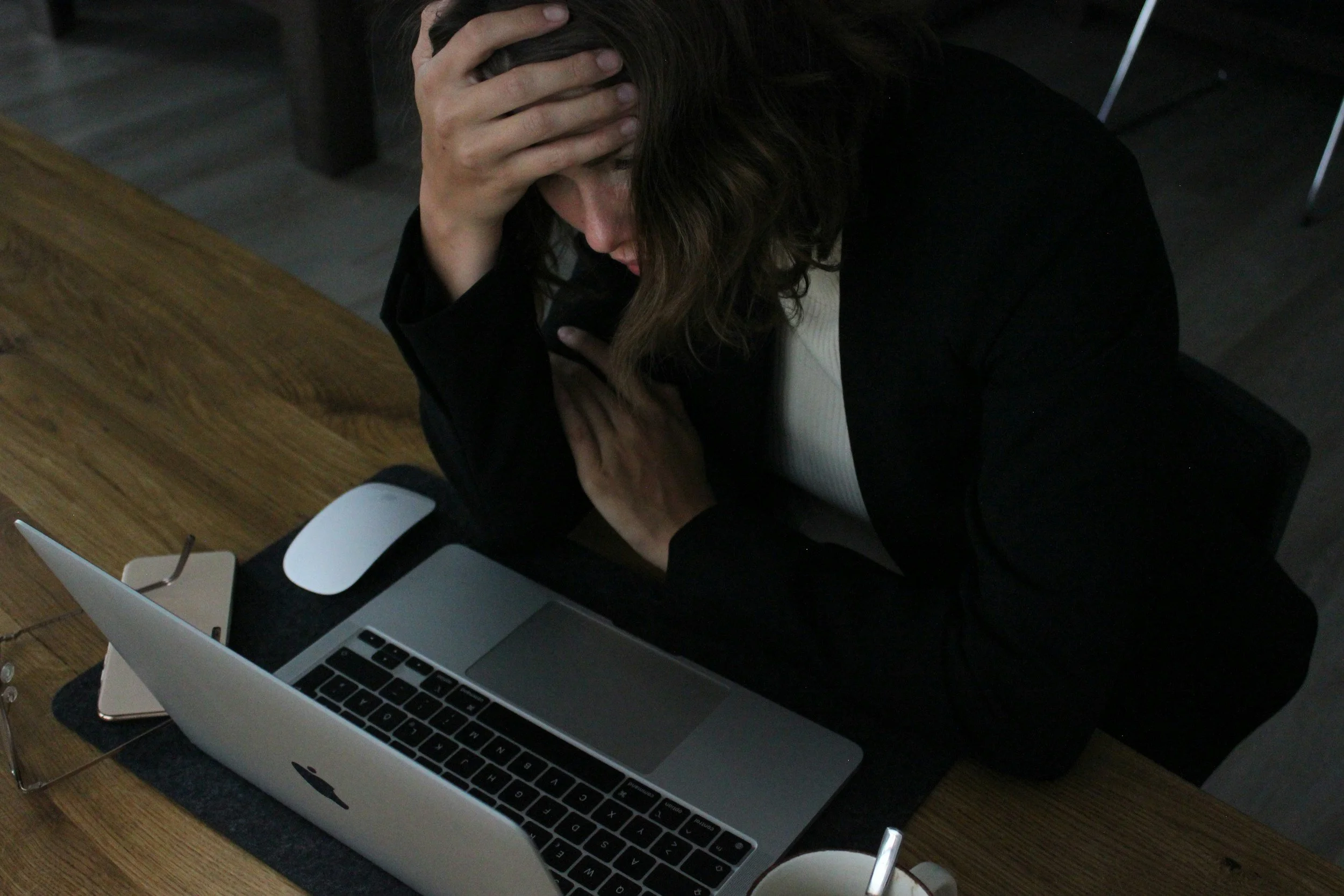
Due to lack of understanding, the public’s perception of PMS has become a stereotypical pool of negative connotations. Some misconceptions range from dismissing women’s feelings as irrational to viewing women as victims of their biology. These misconceptions have far-reaching impacts, affecting not just women individually, but society as a whole. Invalidating women's emotions and experiences may perpetuate existing gender stereotypes, downplaying women’s abilities.
Over time, women may feel like they have to struggle in silence, resulting in feelings of isolation and poor mental health. Additionally, these misconceptions could create biases in workplaces and hinder them from equal access to better opportunities. Today, we will tackle 3 myths of PMS and set the record straight!
Myth #1: All women experience PMS
Some women do not experience PMS symptoms at all. How PMS is experienced varies from each individual and symptoms can range from mild to debilitating. Just because an individual experiences some premenstrual symptoms does not mean she has PMS. PMS is only medically diagnosed when persistent and debilitating symptoms such as intense mood changes, severe cramps and difficulty concentrating have a significant negative impact on an individual’s life. High levels of stress, a family history of depression or vitamin deficiencies place individuals at a higher risk of experiencing PMS.
Busted: Experiencing premenstrual symptoms does not mean you have premenstrual syndrome.
Myth #2: PMS only leads to bad moods
Experiencing mood swings or irritability is just one aspect of PMS. An individual experiencing PMS may encounter a combination of several different physical and emotional symptoms. Some of these symptoms include:
Physical symptoms
Emotional symptoms
Busted: PMS involves more than just bad moods – it includes a variety of physical and emotional symptoms.
Myth #3: PMS is all in the mind
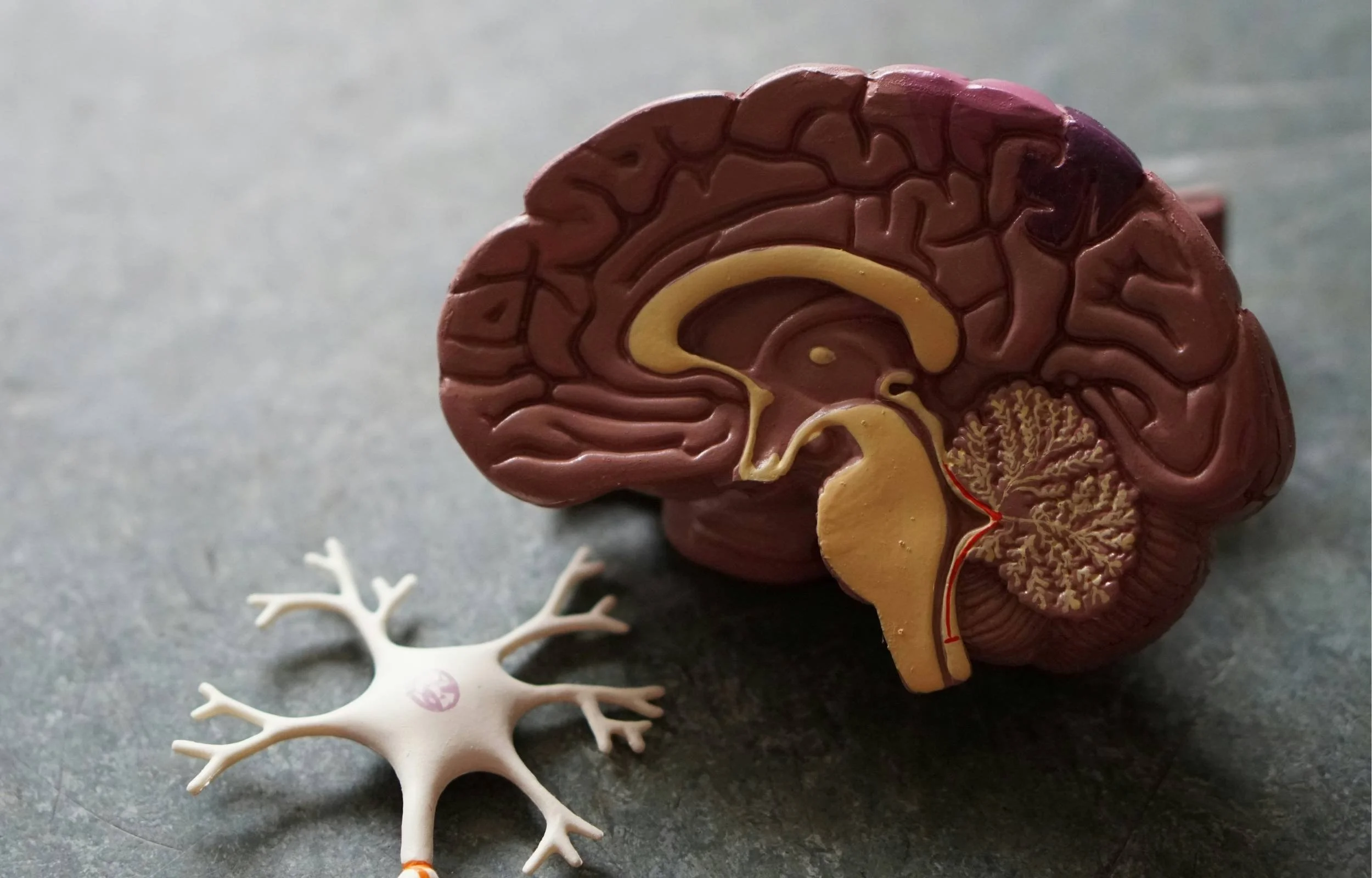
Did you know that changing levels of hormones such as estrogen and progesterone causes PMS? Fluctuations of these hormones have been shown to lead to changes in mood, causing feelings of irritability and anxiety. These fluctuations can also cause chemical changes in our brains. Furthermore, neurotransmitters such as serotonin and dopamine, crucial for regulating emotions and behaviors, face a decline during menstruation. These changes result in depressed or low moods and bring rise to sleep difficulties.
Busted: PMS is a result of biological fluctuations in your body that result in physical and emotional changes.
Myth #4: PMS and PMDD are the same
PMDD, also known as premenstrual dysphoric disorder, causes more extreme symptoms as compared to PMS. Individuals may experience symptoms such as cramps, palpitations, suicidal thoughts and sudden tearfulness. Symptoms of PMDD can be debilitating and make daily activities hard. If you suspect your loved one is facing PMDD, it is crucial you guide them to a mental health professional.
Busted: PMDD is a severe form of PMS that requires medical treatment.
More than 90% of women have reported experiencing at least one PMS symptom in their life. Hence, it is important for all of us to have a more accurate understanding of PMS. If you or your loved one is struggling with overwhelming PMS symptoms, do not hesitate to reach out to a mental health professional who can help you find ways to better manage it.










Quisque iaculis facilisis lacinia. Mauris euismod pellentesque tellus sit amet mollis.