• About Us
    • Our Team
    • Our Therapeutic Spaces
    • Consultation Fees
    • Careers
    • Understanding Our Professionals
    • List All Clinicians
    • Dr Annabelle
    • Dr Daphne
    • Dr Lidia
    • Dr Yi Ling
    • Dr Nick
    • Angelin
    • Bryce
    • Chen Sung
    • Cherie
    • Christine
    • Cristina
    • Dawn
    • Elysia
    • Haanusia
    • Hui Yu
    • Jeanette
    • Jia Li
    • Jiayong
    • Kingslin
    • Ling Ling
    • Lisa
    • Lynn
    • Max
    • Mira 윤미라
    • Nasriah
    • Shermaine
    • Steph Chan
    • Steph Tak 탁현정
    • Wei Jie
    • Wei Jun
    • Weiting
    • Wendy
    • Yuka ゆか
    • Zack
    • Mental Health Concerns
    • Personality Disorders
    • Women's Health & Fertility
    • Couples and Families
    • Psycho-Legal Service
    • Psychological and Psychometric Assessments
  • Child Psychology
    • Events & Training
    • Schema Therapy Training
    • Corporate Workshops
    • Employee Assistance Programme
    • Media, Clients & Partners
    • Articles & Guides
    • Songs about Mental Health
    • Guided Exercises & Tools
    • Safety Plan
    • Monthly Mental Health Newsletter and Resources
    • FAQ
  • Appointments
  • Sign In My Account
Menu

Annabelle Psychology | Singapore's Leading Psychologists

101 Irrawaddy Road, #17-12
329565
+6582023385
Clinical Psychology

ANNABELLE PSYCHOLOGY

周泳伶临床心理诊所

clinical psychologists

Annabelle Psychology | Singapore's Leading Psychologists

  • Our Clinic
    • About Us
    • Our Team
    • Our Therapeutic Spaces
    • Consultation Fees
    • Careers
    • Understanding Our Professionals
  • Clinicians
    • List All Clinicians
    • Dr Annabelle
    • Dr Daphne
    • Dr Lidia
    • Dr Yi Ling
    • Dr Nick
    • Angelin
    • Bryce
    • Chen Sung
    • Cherie
    • Christine
    • Cristina
    • Dawn
    • Elysia
    • Haanusia
    • Hui Yu
    • Jeanette
    • Jia Li
    • Jiayong
    • Kingslin
    • Ling Ling
    • Lisa
    • Lynn
    • Max
    • Mira 윤미라
    • Nasriah
    • Shermaine
    • Steph Chan
    • Steph Tak 탁현정
    • Wei Jie
    • Wei Jun
    • Weiting
    • Wendy
    • Yuka ゆか
    • Zack
  • Adult Psychology
    • Mental Health Concerns
    • Personality Disorders
    • Women's Health & Fertility
    • Couples and Families
    • Psycho-Legal Service
    • Psychological and Psychometric Assessments
  • Child Psychology
  • Training
    • Events & Training
    • Schema Therapy Training
  • Corporates
    • Corporate Workshops
    • Employee Assistance Programme
    • Media, Clients & Partners
  • Resources
    • Articles & Guides
    • Songs about Mental Health
    • Guided Exercises & Tools
    • Safety Plan
    • Monthly Mental Health Newsletter and Resources
    • FAQ
  • Appointments
  • Sign In My Account

Pressure to Be Perfect: Managing Personal Work Expectations

September 29, 2025 Annabelle Psychology
woman sitting in front of her laptop with hands on her forehead looking stressed

Feeling like you're never doing enough at work? You're not alone.

When the pressure to perform perfectly becomes constant, it can lead to stress, anxiety, and burnout. This article explores five practical strategies to help you manage high personal expectations at work — from shifting your mindset to setting realistic goals and letting go of unhelpful comparisons. Learn how to stay productive without compromising your wellbeing.

Read more
In Workplace, Guides & Tips Tags Coping Strategies, Stress & Burnout, Identity & Self-Esteem, Workplace Wellbeing

Living Well with Alzheimer’s: Compassion, Care and Understanding

September 22, 2025 Annabelle Psychology

A frightening disease and a painful reality for the one who is diagnosed and family who needs to care for them.

Alzheimer’s Disease, as often portrayed in books and shows, usually begins with subtle memory lapses, increased confusion, and changes in mood and personality. As the disease progresses, disorientation and fear can grow. The loss of precious memories — the ones that stitch our lives together, shape who we are, and connect us to those we love — is a painful reality for those living with Alzheimer’s. They must confront this reality daily, and perhaps the most heart-wrenching question is:

What if one day, I can no longer remember the face of someone I love?

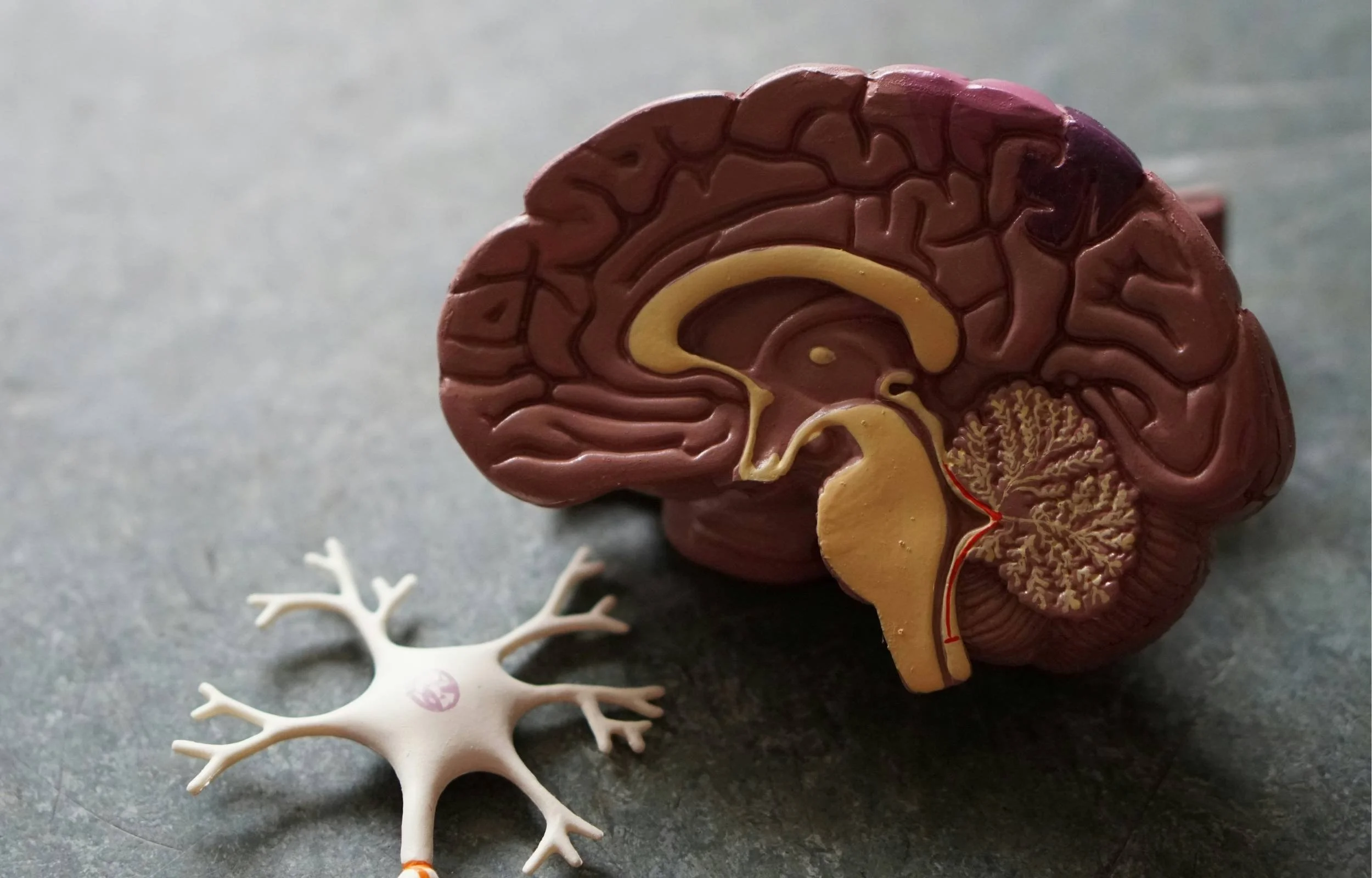
It’s a frightening disease. It affects memory, thinking, behaviour, and the ability to carry out everyday tasks. Though often used interchangeably with ‘dementia,’ Alzheimer’s is specifically a progressive brain disorder that gradually makes independent daily life more challenging. Understanding what Alzheimer’s is helps us recognise why these early changes in memory, thinking, and behaviour are so important to notice.

Recognising the Signs

Alzheimer’s usually creeps in quietly, so the early signs can be easy to miss. Some things to look out for include: 

  • Forgetting recent conversations or events 

  • Struggling with everyday planning or problem-solving 

  • Feeling confused even in familiar places 

  • Misplacing things and losing the ability to retrace steps 

  • Withdrawing from social activities 

  • Changes in mood and personality 

If you notice these signs in yourself or a loved one, don’t brush them aside. Early recognition not only opens the door to timely care, but it also helps families prepare and adjust with understanding. 


Where to Begin 

Noticing the early signs is just the first step. Visiting a polyclinic or GP for an initial assessment can help ease some of the confusion, constant guessing, and worry that often come with uncertainty. From there, you can begin receiving guidance, support, and answers. You don’t have to navigate this alone.  

Support often comes from a multidisciplinary team of healthcare professionals, including doctors, psychologists, occupational therapists, and social workers. The type of support may change over time, but the goal remains the same: to ensure that every step of the journey is guided with understanding, compassion, and care.


The Role of a Psychologist

As psychologists, we’re here to walk alongside you and your loved ones at every stage of Alzheimer’s. We help you make sense of memory changes and cognitive challenges. We also support assessment and diagnosis, so you can better understand what is happening. 

As the disease progresses, we offer psychological support, practical strategies to manage daily challenges, and guidance for caregivers on how to maintain emotional connection and understanding. We want to help you and your loved ones feel supported, empowered, and able to focus on meaningful moments together. 


Simple Steps for Daily Life

Small, simple strategies can make a big difference for both those living with Alzheimer’s and their caregivers. Some ideas include: 

  • Keep a consistent routine. Simple schedules help reduce confusion and give the individual a sense of security and grounding.  

  • Label and organise spaces. Clear labels on doors, drawers, or cupboards make it easier to find things and maintain independence. 

  • Use memory tools. Calendars, notebooks, and phone reminders can support memory and help track appointments or daily tasks. 

  • Break tasks into small steps. Doing things step by step, rather than all at once, can make activities more manageable and less frustrating. 

These little steps can help maintain independence, ease stress, and create space for meaningful moments of connection and joy.  


Life Beyond the Diagnosis

We know that the diagnosis can feel like the end. It’s a difficult reality to confront – individuals and their families are often wracked with feelings of fear, hopelessness, and devastation. We want to remind you that even though it hurts deeply, life is still worth living. Alzheimer’s doesn’t define who you are – the life you’ve lived and continue to live still matter.  

To the caregivers who work tirelessly, we see you. We know that you’re scared, exhausted, and might even feel like you cannot go on. Yet, your love, patience, and dedication make a world of difference. You are not alone, and it is okay to seek support and care for yourself too.  

Behind every person with Alzheimer’s is a life full of moments still worth celebrating. A diagnosis does not erase dignity, love, or hope. With understanding and support, living well with Alzheimer’s is possible. 

In Caregiving, Seniors Tags Psychological Assessment, Coping Strategies

How to Communicate Better with Your Partner During Conflict

September 15, 2025 Annabelle Psychology

Arguments and tension are part of every relationship, but repeated conflict—especially during stressful times like fertility treatments—can take a toll on your emotional wellbeing.

According to the Gottman Method couples therapy, most conflicts are not meant to be resolved but managed with care and understanding. The key is learning how to talk about them in a way that keeps you connected. Here are some ways to improve communication and stay close, even when things feel tough. 

Managing Resolvable Conflicts 

1. Speak Kindly  

Start gently, especially when bringing up a sensitive topic. Use “I” statements like, “I feel overwhelmed when I have to manage appointments alone” instead of “You never help”. This shift avoids blame and shows you want to work towards a solution. Make space for your partner’s perspective and try to keep your tone and body language calm. Even during emotional moments, a gentle approach helps your partner stay open rather than defensive. 

2. Accepting Influence 

Being open to your partner’s input shows mutual respect. That could look like saying “good point” when they raise something valid or finding a shared goal that matters to both of you. It’s not about giving in. It’s about listening, compromising, and recognising that no one gets everything in a relationship, but both can feel valued. Especially during high-stress times like a fertility journey, showing flexibility can make both of you feel more supported. 

3. Repair and De‑escalation 

When things get heated, pause to cool down. Take a walk, breathe deeply, or share a small laugh. The aim isn’t to avoid conflict, but to navigate it without burning out. Even something as simple as holding hands during an argument can reset the emotional tone. 

4. Compromise 

Compromise means finding a path forward that honours both your needs. Start by asking: What’s most important to me? What can I be flexible about? Look for shared goals, like wanting to feel emotionally close or making decisions as a team. Then work together toward a temporary or long-term solution. 


Navigating Nonresolvable Issues 

1. Establish Dialogue on Long-Term Problems 

Some issues won’t go away and that’s okay. What matters is how you talk about them. Revisit ongoing challenges with kindness, curiosity, and patience. These aren’t one-time conversations, but ongoing opportunities for connection. 

2. Increase Positive Interactions 

Balance the tough moments with small positive ones. A quick hug, a shared smile, or a moment of empathy can go a long way. Aim for five positive interactions for every difficult one to keep the emotional connection strong. 

3. Physiological Soothing 

Arguments can take a toll on your body. Do calming things together like deep breathing, stretching, or just lying down beside each other without talking. These small resets help your nervous systems regulate so you’re not in fight-or-flight mode all the time. 

4. Explore Underlying Dreams 

Get curious about the deeper meaning behind disagreements. Ask: “What’s your ideal outcome here?” or “Is there something from your past that makes this especially important to you?” These questions help you connect with each other’s hopes and vulnerabilities, understanding their struggles and why they choose to make certain decisions.  

5. Foster Understanding and Acceptance 

You won’t always agree and that’s okay. What matters is feeling seen and heard. Ask your partner, “Why is this so important to you?” and listen to their values or emotional history. This builds a bridge between your differences instead of turning them into barriers. 


We’re In This Together

At the heart of every strong relationship is a shared commitment to understanding and growth. Communication during conflict isn’t just about fixing problems. It’s about showing up for each other, even during times of frustration. It takes effort from both partners to listen openly, manage differences with care, and stay emotionally connected.

By practicing these skills together, you can build a relationship that weathers disputes and emerges stronger on the other side. However, if conflicts persist, don’t be afraid to ask for help. Professional guidance can help mend the connection that once was.


This article was created in collaboration with LELO.

In Guides & Tips, Relationships & Communication

What to Text (and Not Text) When Someone Is Suicidal

September 8, 2025 Annabelle Chow

Listening without judgment and validating their feelings are important.

We may be familiar with the ‘danger signs’ that someone may show when they are thinking of self-harm, such as talk of life being meaningless or painful, or overly generous acts such as giving treasured items away. And it can feel overwhelming when we do come across such signs. “How can I help?”, “Is there something I can do?”, “I don’t want to lose them” are thoughts that may cross our mind. And we’re here to help! While seemingly trivial, reaching out to them via text can be helpful. Here are 10 things to text or not to text someone who may be suicidal: 

  1. Assure them of your support. “I am here. Would you like to share with me?”  

  2. Thank them for making the effort to share with you. “Thank you for telling me.” 

  3. Acknowledge their feelings first, solutions can wait. “I hear your pain.”

  4. It is okay to ask, “Are you planning to harm or kill yourself?” It won’t increase the likelihood of self-harm and we can better take precautionary actions if they do have plans. 

  5. If they do have thoughts of suicide, encourage them to seek immediate help. “I am concerned for you. Would you like to speak to a mental health expert?”

  6. If they do not, still encourage them to seek professional help, “I think it may be helpful. I can help look up some and go with you if you would like.” 

  7. Remind them that you are thinking of them from time to time. “Hey, I saw this and it reminded me of you!” 

  8. DON’T say “I know how you feel”. Even if it may seem similar, the situation and the emotions that they are going through may be different from what you have experienced or envisioned.  

  9. DON’T say “Others have it worse than you do.” It’s not a competition of who has it worse, and doing so may make the individual feel like they matter even less.  

  10. DON’T say “Get over it.” They would like for their hurt to be gone too, and saying such things may make them feel like their emotions don’t matter. 

A loved one contemplating or engaging in self-harm is a painful experience for both the individual and their loved ones. And it is natural that we may yearn to quickly rush in and to save them, to present them with solutions or our assessments of their situations. However, remember that this is about their pain. As such, simply being there and providing them a listening ear to their problems goes a long way, and you are already helping. 

In Guides & Tips, Relationships & Communication Tags Suicide & Crisis Support, Depression

Should We Be Worried About “AI Psychosis” Today?

September 1, 2025 Annabelle Psychology

AI can help us work smarter, stay connected, and even feel less alone. But what happens when the comfort of AI starts to distort reality?

AI can be helpful, comforting, and convenient, but it can also become unhelpful when it starts reinforcing distorted beliefs or replacing real-world support. This page explains what people mean by “AI psychosis” (it is not a formal diagnosis), who may be more vulnerable, and the warning signs that suggest someone may be losing perspective. You will also find practical, compassionate steps to stay grounded, set healthier limits, and seek professional support early if needed.

Read more
In Guides & Tips, Relationships & Communication Tags Coping Strategies, Suicide & Crisis Support, Anxiety & Depression

Kpods: Risks, Reasons and Support That Helps

August 25, 2025 Annabelle Psychology

You may have heard worrying things about Kpods, so why would someone take such a risk?

The truth is, the answer is rarely simple. While the headlines often highlight the dangers, it’s equally important to understand the human side: why people turn to Kpods, what risks they face, and how we can respond with care 


If you are a parent concerned about your child, see our article: Kpods and Teens: A Practical Guide for Parents. 


What Are Kpods?

Kpods are vape pods laced with ketamine, a dissociative drug sometimes used in hospitals as an anaesthetic. More recently, another drug, Etomidate, has also been found in some of these laced vapes. Etomidate is a powerful anaesthetic meant for use in hospitals under strict medical supervision. Outside of that controlled setting, its effects can be unpredictable and dangerous. 

When used outside of medical supervision, the effects can be unpredictable and serious. 

Side effects include: 

  • Shaking or tremors 

  • Slurred speech and confusion 

  • Loss of balance and difficulty walking 

  • Memory blackouts or detachment from reality 

  • Damage to adrenal glands, intestines, and brain 

  • Mental health risks: depression, anxiety, panic attacks, sleep disturbances, and psychosis 

Even one-time use can be dangerous, and repeated use increases the likelihood of long-term physical and psychological harm. 

Why Do People Use Kpods?

Despite the risks, people rarely use Kpods just to “get high.” Often, substance use is a response to emotional pain or unmet needs. There’s usually more going on beneath the surface. 

  • Escaping pain or stress: Ketamine’s dissociative effect can feel like an escape from reality, while Etomidate’s sedative properties can temporarily numb emotional distress. 

  • Fitting in with peers: Peer influence and the need to “fit in” can play a big role in experimentation, especially if the risks are downplayed. 

  • Curiosity: Stories or conversations about Kpods, especially those that do not mention the risks, can spark a desire to try them “just once.”

  • Chasing a stronger experience: Regular vape users may be drawn to the idea of “stronger hits,” unaware of the potent and dangerous drugs inside.  

How to Support Someone Using Kpods 

If someone you care about is using Kpods or laced vapes, your response matters. Fear or frustration is natural, but support works best when it is rooted in empathy, not shame. Focus on leading the conversation with empathy and curiosity. 

What to avoid: 

  • “Just stop it.” 

  • “You’re destroying your life.” 

  • “I’ll report you if you don’t quit.” 

What to try instead: 

  • “I’ve noticed you haven’t been yourself lately. Are you okay?” 

  • “Let’s talk about what you’ve been going through. It must have been hard on you.” 

  • “I’m here to listen, not to judge.” 


These gentle openings build trust. When someone feels seen and understood, they are more likely to feel safe enough to open up. That’s when real change can begin.  

Encouraging Professional Help 

Recovery is not a straight line. It is a journey with setbacks, detours, and gradual change. But with the right support, individuals can learn to manage better and overcome addiction.  

If someone is open to it, encourage them to speak with a psychologist or addiction counsellor.  

Therapy can help with:  

  • Identifying emotional triggers 

  • Learning healthy ways to cope 

  • Rebuilding a sense of self-worth 

  • Setting goals and creating structure 

  • Reducing harm while working towards change 

If it’s an emergency: 

  • Call 995 or go  

Where to get help: 

  • NAMS Helpline: 6732 6837 

  • National Mindline: 1771 (for personal support and guidance) 

If the person is unconscious, hallucinating, or in immediate danger, call 995 or go to the nearest A&E.  

A Final Thought 

If you or someone you love is caught up in Kpod use, please remember that recovery starts with choice, not shame. This is not about being a “bad person” or a “bad friend” or “bad parent.” It’s about facing a challenge that can feel overwhelming, and finding the right help to move forward. At our clinic, we believe in meeting people where they are, with compassion and understanding, and practical strategies for change. You’re not alone in this journey. 

In Guides & Tips, Relationships & Communication Tags Coping Strategies, Stress & Burnout, Identity & Self-Esteem, Depression

The Unspoken Stress of the Sandwich Generation

August 18, 2025 Annabelle Psychology

There’s a kind of tired that sleep doesn’t fix.

If you’re part of the sandwich generation, you know this well.

The sandwich generation carries a quiet, relentless weight — raising children while caring for ageing parents, juggling responsibilities that never seem to end. This article explores the unspoken guilt, fatigue and loneliness many experience, along with gentle, practical ways to reclaim rest, share the load and seek support. You are not failing; you are human, doing your best in circumstances few truly understand.

Read more
In Caregiving, Parenting & Family, Guides & Tips Tags Identity & Self-Esteem, Grief & Loss, Depression

Eye Movement Desensitisation and Reprocessing Therapy (EMDR)

August 11, 2025 Annabelle Psychology

EMDR is a type of therapy that supports people in healing from trauma or emotionally overwhelming experiences. Developed by psychologist Dr Francine Shapiro in the late 1980s, it is now widely recognised for its effectiveness in treating post-traumatic stress disorder (PTSD) and other challenges like anxiety, grief, and phobias.

Instead of talking through a memory in detail, EMDR focuses on helping your brain process it in a different way. During sessions, you’ll briefly bring a distressing memory to mind while engaging in bilateral stimulation, such as eye movements, tapping, or sounds, which alternates between the left and right sides of the body. This process is thought to support the brain’s natural healing, reducing the emotional charge of the memory and making space for healthier beliefs. 

How Does EMDR Work? 

When we go through something overwhelming, our brain does not always process it properly. EMDR helps the brain finish that process. With the help of a trained therapist, you gently revisit the memory while using bilateral stimulation. This combination is believed to help rewire how the memory is stored, so it feels less distressing over time. Some researchers suggest that EMDR works in a similar way to  REM sleep. That is the part of sleep where your brain naturally sorts through emotions and experiences. Over time, EMDR can reduce emotional distress, shift negative self-beliefs, and build emotional resilience. 


Who is EMDR for? 

EMDR is a great option for anyone who’s still feeling the emotional weight of something that’s happened, whether it was recent or years ago. If something is still affecting your daily life, mood or self-esteem, it might be worth exploring. EMDR is commonly used to support people with: 

  • Trauma, PTSD, and Complex PTSD (c-PTSD) (e.g., accidents, abuse, violence, natural disasters)  

  • Anxiety and Panic Attacks 

  • Phobias  

  • Depression  

  • Grief and Loss  

  • Low Self-esteem or Negative Self-beliefs 

  • Chronic Stress or Burnout 

  • Performance Anxiety (e.g., in work, sports, or the arts) 

  • Attachment and Relationship Difficulties 

A lot of people turn to EMDR when they have tried talk therapy but still feel stuck. It offers another way in, especially for experiences that feel hard to put into words. 


What happens in an EMDR Session? 

EMDR typically follows a structured process, but your therapist will go at a pace that feels right for you. Here’s a simple breakdown of what the journey could look like:  

Phase 1: History-Taking 

  • Your therapist will get to know your history, current concerns, and what you hope to achieve in therapy.   

Phase 2: Preparation 

  • In this phase, you’ll learn calming and grounding techniques to help manage any strong emotions that arise during the process.  

Phase 3: Assessment 

  • In phase 3, you will focus on a specific memory and identify a few key elements related to the memory: 

  • A vivid image that represents the memory 

  • A negative belief you hold about yourself in relation to it (e.g. “I’m not safe” or “It was my fault”) 

  • Any emotions or physical sensations that come up when you think about it 

  • You will also choose a positive belief you'd like to adopt going forward, such as “I did the best I could” or “I’m safe now.”  

Phase 4: Desensitisation and Reprocessing 

  • While focusing on the memory, you’ll engage in bilateral stimulation (such as eye movements or tapping). This helps the brain process the memory and reduce its emotional intensity. 

Phase 5: Installation  

  • During this phase, your therapist will help you strengthen a positive belief related to the memory, supporting a more adaptive perspective.   

Phase 6: Body Scan 

  • You will be asked to notice how your body feels while thinking about the memory and the positive belief. This helps identify if any physical tension or discomfort remains, as the body can hold onto stress even after the memory feels less upsetting. If discomfort remains, further EMDR processing may be done to resolve it fully. 

Phase 7: Closure and Stabilisation 

  • Each session ends with techniques to help you feel calm and grounded. You’ll also prepare to manage any feelings that arise between sessions.  

Phase 8: Re-evaluation 

  • In the following sessions, your therapist will review your progress, revisit targets if needed, and help you plan the next steps. 


So How Does EMDR Compare to Talk Therapy? 

Now that we’ve explored how EMDR works, who it may benefit, and what a typical session could look like, you might be wondering how it compares to more traditional forms of therapy. While both EMDR and talk therapy aim to support emotional healing, they differ in how they approach distressing memories and the pathways they use to promote recovery. The following comparison highlights some of the key differences between the two. 

 Curious About EMDR? 

Whether you're ready to start or just want to explore your options, we’re here to help. If there’s something in your past that still weighs on you, EMDR could be a powerful way to move forward. Feel free to get in touch with us to learn more or book a consultation. 

In Guides & Tips Tags Anxiety & Depression, Grief & Loss, Stress & Burnout, Identity & Self-Esteem

PMS Myths: Busted!

August 4, 2025 Annabelle Psychology

Premenstrual Syndrome, also known as PMS, refers to a combination of symptoms that often occur before menstruation.

Due to lack of understanding, the public’s perception of PMS has become a stereotypical pool of negative connotations. Some misconceptions range from dismissing women’s feelings as irrational to viewing women as victims of their biology. These misconceptions have far-reaching impacts, affecting not just women individually, but society as a whole. Invalidating women's emotions and experiences may perpetuate existing gender stereotypes, downplaying women’s abilities.

Over time, women may feel like they have to struggle in silence, resulting in feelings of isolation and poor mental health. Additionally, these misconceptions could create biases in workplaces and hinder them from equal access to better opportunities. Today, we will tackle 3 myths of PMS and set the record straight! 


Myth #1: All women experience PMS  

Some women do not experience PMS symptoms at all. How PMS is experienced varies from each individual and symptoms can range from mild to debilitating. Just because an individual experiences some premenstrual symptoms does not mean she has PMS. PMS is only medically diagnosed when persistent and debilitating symptoms such as intense mood changes, severe cramps and difficulty concentrating have a significant negative impact on an individual’s life. High levels of stress, a family history of depression or vitamin deficiencies place individuals at a higher risk of experiencing PMS. 

Busted: Experiencing premenstrual symptoms does not mean you have premenstrual syndrome. 


Myth #2: PMS only leads to bad moods 

Experiencing mood swings or irritability is just one aspect of PMS. An individual experiencing PMS may encounter a combination of several different physical and emotional symptoms. Some of these symptoms include:  

Physical symptoms 

  • Headache or backache  

  • Bloating or gassy feeling 

  • Constipation or diarrhea 

  • Tender breasts  

Emotional symptoms 

  • Feeling tired  

  • Appetite changes or food cravings  

  • Tension or anxiety  

  • Depression or feelings of sadness  

Busted: PMS involves more than just bad moods – it includes a variety of physical and emotional symptoms.  


Myth #3: PMS is all in the mind  

Did you know that changing levels of hormones such as estrogen and progesterone causes PMS? Fluctuations of these hormones have been shown to lead to changes in mood, causing feelings of irritability and anxiety. These fluctuations can also cause chemical changes in our brains. Furthermore, neurotransmitters such as serotonin and dopamine, crucial for regulating emotions and behaviors, face a decline during menstruation. These changes result in depressed or low moods and bring rise to sleep difficulties.  

Busted: PMS is a result of biological fluctuations in your body that result in physical and emotional changes. 


Myth #4: PMS and PMDD are the same  

PMDD, also known as premenstrual dysphoric disorder, causes more extreme symptoms as compared to PMS. Individuals may experience symptoms such as cramps, palpitations, suicidal thoughts and sudden tearfulness. Symptoms of PMDD can be debilitating and make daily activities hard. If you suspect your loved one is facing PMDD, it is crucial you guide them to a mental health professional. 

Busted: PMDD is a severe form of PMS that requires medical treatment. 


More than 90% of women have reported experiencing at least one PMS symptom in their life. Hence, it is important for all of us to have a more accurate understanding of PMS. If you or your loved one is struggling with overwhelming PMS symptoms, do not hesitate to reach out to a mental health professional who can help you find ways to better manage it.  

 

In Guides & Tips Tags Anxiety & Depression

You are Not Alone: The Role of Social Support in Mental Health Recovery

July 28, 2025 Annabelle Psychology

If you are struggling with your mental health, you are definitely not alone.

Recovering from mental health challenges can feel overwhelming, especially when you are trying to manage everything on your own. Yet one of the strongest predictors of resilience is not willpower, but support. Meaningful connections, whether from family, friends, colleagues or community groups, can provide comfort, perspective and a sense of belonging during difficult periods.

This article explores why social support matters, the different forms it can take, and how you can build a support network that truly nurtures your well-being. You do not have to face recovery alone, and understanding the role of support is an important first step.

Read more
In Workplace, Guides & Tips, Relationships & Communication Tags Coping Strategies, Self-reflection
← Newer Posts Older Posts →

Annabelle Psychology

Useful Information

Newsroom
Telehealth
Safety Plans
Board of Advisors

Give us Feedback

Clinical Team
Support Team

Clinical Services

Women’s Psychological Health
Couples and Family
Child Psychology
Psycho-legal Service
Psychological & Psychometric Assessments
Employee Assistance Programme


Neurodevelopmental Disorders
Ψ Attention Deficit/Hyperactivity Disorder (ADHD)
Ψ Autism Spectrum Disorder
Ψ Intellectual Disability

Obsessive-Compulsive Disorders

Conduct Disorders
Ψ Conduct Disorder
Ψ Oppositional Defiant Disorder (ODD)

Paraphilic Disorders
Ψ Exhibitionistic Disorder
Ψ Fetishistic Disorder
Ψ Voyeuristic Disorder

Women’s Health
Ψ Endometriosis
Ψ Menopause transition
Ψ Miscarriage & Stillbirth
Ψ Perinatal OCD

Mental Health Concerns

View All

Personality Disorders
Ψ Borderline Personality Disorder (BPD)
Ψ Narcissistic Personality Disorder (NPD)
Ψ Antisocial Personality Disorder

Abuse, Trauma and Stress Disorders
Ψ Abuse and Trauma
Ψ Acute Stress Disorder (ASD)
Ψ Adjustment Disorder
Ψ Complex PTSD
Ψ Post-Traumatic Stress Disorder (PTSD)

Anxiety & Mood Disorders
Ψ Depression
Ψ Social Anxiety Disorder
Ψ Specific Phobias
Ψ Panic Disorder
Ψ Conduct Disorders
Ψ Health Anxiety

Free Mental Health Resources
Why Do I Feel Angry All the Time: Understanding Anger
Feb 16, 2026
Why Do I Feel Angry All the Time: Understanding Anger
Feb 16, 2026
Feb 16, 2026
A Gentler Way to Communicate: Using ‘I’ Statements
Feb 13, 2026
A Gentler Way to Communicate: Using ‘I’ Statements
Feb 13, 2026
Feb 13, 2026
Managing a Difficult Boss: How to Cope at Work
Feb 9, 2026
Managing a Difficult Boss: How to Cope at Work
Feb 9, 2026
Feb 9, 2026
Sleep Hygiene Basics: 7 Key Principles for Better Sleep 
Feb 6, 2026
Sleep Hygiene Basics: 7 Key Principles for Better Sleep 
Feb 6, 2026
Feb 6, 2026
Grief Rituals: Finding Structure in Loss
Feb 2, 2026
Grief Rituals: Finding Structure in Loss
Feb 2, 2026
Feb 2, 2026
How to Practise Abdominal (Belly) Breathing 
Jan 26, 2026
How to Practise Abdominal (Belly) Breathing 
Jan 26, 2026
Jan 26, 2026
The Male Loneliness Epidemic: Why More Men in Singapore Are Feeling Isolated Today
Dec 29, 2025
The Male Loneliness Epidemic: Why More Men in Singapore Are Feeling Isolated Today
Dec 29, 2025
Dec 29, 2025
Understanding Premature Ejaculation - When It Happens Too Soon
Dec 22, 2025
Understanding Premature Ejaculation - When It Happens Too Soon
Dec 22, 2025
Dec 22, 2025
How to Cope When Traumatic News Leaves You Shaken
Dec 19, 2025
How to Cope When Traumatic News Leaves You Shaken
Dec 19, 2025
Dec 19, 2025
Understanding Erectile Dysfunction: It’s More Common Than You Think
Dec 15, 2025
Understanding Erectile Dysfunction: It’s More Common Than You Think
Dec 15, 2025
Dec 15, 2025
How Hormonal Shifts Shape Men’s Emotional Wellbeing
Dec 8, 2025
How Hormonal Shifts Shape Men’s Emotional Wellbeing
Dec 8, 2025
Dec 8, 2025
Men and Body Image: Why It’s Time to Talk About It
Dec 1, 2025
Men and Body Image: Why It’s Time to Talk About It
Dec 1, 2025
Dec 1, 2025
How to Cope with Sexual Performance Anxiety
Nov 24, 2025
How to Cope with Sexual Performance Anxiety
Nov 24, 2025
Nov 24, 2025
 Body Dysmorphic Disorder (BDD): Why It’s Not Vanity
Nov 17, 2025
Body Dysmorphic Disorder (BDD): Why It’s Not Vanity
Nov 17, 2025
Nov 17, 2025
Hyperemesis Gravidarum: More Than Just Morning Sickness
Nov 10, 2025
Hyperemesis Gravidarum: More Than Just Morning Sickness
Nov 10, 2025
Nov 10, 2025
Andropause Is Real: Understanding the Emotional Toll of Low Testosterone
Nov 3, 2025
Andropause Is Real: Understanding the Emotional Toll of Low Testosterone
Nov 3, 2025
Nov 3, 2025
Body Dysmorphic Disorder (BDD): Signs, Causes and How to Get Help
Oct 27, 2025
Body Dysmorphic Disorder (BDD): Signs, Causes and How to Get Help
Oct 27, 2025
Oct 27, 2025
What to Do If Someone Calls You Manipulative
Oct 20, 2025
What to Do If Someone Calls You Manipulative
Oct 20, 2025
Oct 20, 2025
Managing Conflicts in a Relationship
Oct 13, 2025
Managing Conflicts in a Relationship
Oct 13, 2025
Oct 13, 2025
6 Practical Tips for Everyday Emotional Care
Oct 6, 2025
6 Practical Tips for Everyday Emotional Care
Oct 6, 2025
Oct 6, 2025
Pressure to Be Perfect: Managing Personal Work Expectations
Sep 29, 2025
Pressure to Be Perfect: Managing Personal Work Expectations
Sep 29, 2025
Sep 29, 2025
Living Well with Alzheimer’s: Compassion, Care and Understanding
Sep 22, 2025
Living Well with Alzheimer’s: Compassion, Care and Understanding
Sep 22, 2025
Sep 22, 2025
How to Communicate Better with Your Partner During Conflict
Sep 15, 2025
How to Communicate Better with Your Partner During Conflict
Sep 15, 2025
Sep 15, 2025
What to Text (and Not Text) When Someone Is Suicidal
Sep 8, 2025
What to Text (and Not Text) When Someone Is Suicidal
Sep 8, 2025
Sep 8, 2025
 Should We Be Worried About “AI Psychosis” Today?
Sep 1, 2025
Should We Be Worried About “AI Psychosis” Today?
Sep 1, 2025
Sep 1, 2025
Kpods: Risks, Reasons and Support That Helps
Aug 25, 2025
Kpods: Risks, Reasons and Support That Helps
Aug 25, 2025
Aug 25, 2025
The Unspoken Stress of the Sandwich Generation
Aug 18, 2025
The Unspoken Stress of the Sandwich Generation
Aug 18, 2025
Aug 18, 2025
Eye Movement Desensitisation and Reprocessing Therapy (EMDR)
Aug 11, 2025
Eye Movement Desensitisation and Reprocessing Therapy (EMDR)
Aug 11, 2025
Aug 11, 2025
PMS Myths: Busted!
Aug 4, 2025
PMS Myths: Busted!
Aug 4, 2025
Aug 4, 2025
You are Not Alone: The Role of Social Support in Mental Health Recovery
Jul 28, 2025
You are Not Alone: The Role of Social Support in Mental Health Recovery
Jul 28, 2025
Jul 28, 2025

Free Monthly Resource

Subscribe to receive our curated mental health resource

You can unsubscribe at any time.

Thank you for signing up for our Newsletter.

Check your e-mail for our next toasty newsletter soon!

View our Newsletter Archive here

Proudly Supporting Inclusive Communities

Annabelle Psychology's Company of Good 1 Heart

Company of Good

SG Enable Enabling Employment Pledge

SG Enable

PAP Mental Health Group logo

PAP Mental Health Group Community Partner


Psychologists


Dr Annabelle Chow
Dr Daphne Goh
Dr Lidia Suárez
Dr Yi Ling Tay
Dr Nick Buckley
Angelin Truscott
Bryce Ong
Chen Sung Wong
Cherie Sim
Christine Kwek
Cristina Gwynn
Dawn Chia
Elysia Tan
Haanusia Raj
Hui Yu Chan
Jeanette Lim
Jia Li Lim
Jiayong Lin
Kingslin Ho
Lisa Tang
Lynn Ng
Maximillian Chen
Nasriah Rizman
Shermaine Chek
Stephanie Chan
Stephanie Tak
Wei Jie Soh
Wei Jun Tan
Weiting Zeng
Yuka Aiga
Zack Yeo

Allied Health Practitioners


Couple and Family Counsellors
Ling Ling Chiam
Wendy Yeap

Art Therapists
Mira Yoon

Speech Therapists
Anabella Seah

Occupational Therapists
Akio Lim
Sharyn Koh

Make an Appointment with our Clinicians

Consultations

Strictly by appointment only

Operating Hours:
Monday to Saturday, 8.00 am to 6.00pm

enquiries attended from 9:00am except After Hours

Rates

Consultations after 6.00pm, or on Saturdays, Sundays, or the eve of or on Public Holidays, attract an additional fee (“After Hours“). Rates here.

Different rates apply to outcalls, couple, family, diagnostics and other services.

Contact

+65 8202 3385
appointments@apsy.sg

Novena

Annabelle Psychology (Novena)
Royal Square Medical Centre
101 Irrawaddy Road #17-12
Singapore 329565

Thomson

Annabelle Psychology (Thomson)
SLF Building
510 Thomson Road #15-03
Singapore 298135


Careers | Terms | Payment
All rights reserved © 2024